
Description
Symptoms
The primary symptom of the disease is the formation of cankers (lesions) on trunks and major branches. The bark in the infected area appears sunken, discolored, and eventually cracks.
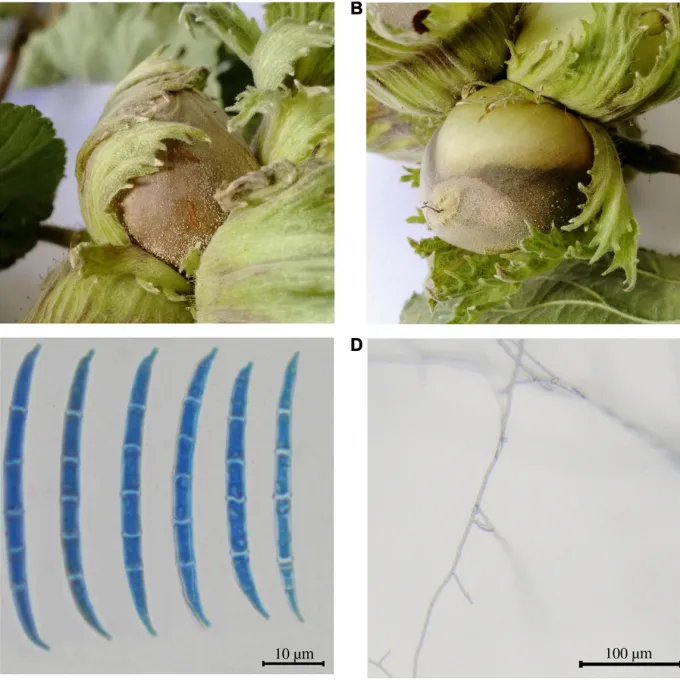
Small, brick-red or orange sporulation pustules are frequently observed on the surface of the dead bark. This is a characteristic diagnostic feature of Gibberella baccata infection.
Leaves on infected branches may wilt prematurely and die, often remaining attached to the branch. This is a sign that the fungal infection has girdled the branch, cutting off supply.
The tree may attempt to seal off the lesion by producing callus tissue, but the pathogen often continues to invade deeper layers of the wood, preventing successful healing.
Over time, the infection can spread along the branch or around the circumference of the trunk, leading to the gradual death of the entire plant or specific sections of the canopy.
Pathogen
The causative agent of the disease is the ascomycete fungus Gibberella baccata, which has Fusarium lateritium as its anamorph. This pathogen is highly adaptable and can persist in the environment for extended periods.
It affects a wide range of host plants, including various fruit trees and berries. The common pear (Pyrus communis) is particularly susceptible, as are several species of the genus Prunus.
The fungus typically enters the plant tissue through mechanical wounds, pruning cuts, frost cracks, or sunscald. Once inside, it colonizes the bark and cambium layers.
As it grows, the fungus disrupts the vascular system of the host, impairing the movement of water and nutrients. It produces spores that serve as the primary inoculum for further spread.
The fungus is highly opportunistic, often taking advantage of trees already stressed by environmental factors or poor maintenance to establish a successful infection.
Conditions for development
High humidity and prolonged periods of wet weather are the most favorable conditions for the germination of fungal spores and the spread of the infection through the orchard.
Significant temperature fluctuations during the transition between winter and spring often cause frost cracks in the bark, providing ideal entry points for the pathogen.
Trees that are poorly maintained, suffering from nutrient deficiencies, or weakened by pests are at a much higher risk of contracting and succumbing to Gibberella cancer.
Poor orchard hygiene, such as leaving pruning debris on the ground or failing to sanitize equipment, creates a reservoir for spores that can lead to rapid disease outbreaks.
Summer heat stress combined with poor irrigation management can further compromise the tree's immune response, making it easier for the fungus to take hold.
Why it matters
Gibberella cancer causes significant economic loss by reducing tree vigor and productivity. Heavily infected trees often suffer from reduced fruit set and poor quality yields.
If left unmanaged, the disease eventually leads to the death of the tree, requiring costly removal and replanting efforts that disrupt orchard profitability.
The weakening of wood structure due to cankers increases the risk of limb breakage during storms, creating hazardous conditions for orchard workers and infrastructure.
The disease reduces the overall longevity of the orchard, requiring more frequent investments in young trees rather than maintaining productive, mature specimens.
Management of the disease requires intensive labor and chemical inputs, increasing the cost of production while simultaneously reducing the output of the orchard.
Protection
Sanitation is the cornerstone of control: infected branches must be pruned back into healthy wood and immediately destroyed by burning to eliminate spore sources.
Sterilizing pruning tools between every single cut is essential to prevent the mechanical transmission of the fungus from infected trees to healthy ones.
Applying copper-based fungicides to pruning wounds and treating the trunk during the dormant season can help protect the bark from infection.
Maintaining optimal tree health through balanced fertilization and proactive pest control strengthens the plant's natural defenses against fungal invasion.
- Whitewashing trunks to prevent sunscald and frost cracks.
- Using high-quality pruning sealants to protect open wounds.
- Choosing certified disease-free nursery stock for new plantings.
Pathogens and affected parts
Affects crops · 1
Discussion
No discussions yet — be the first.