
Description
Symptoms
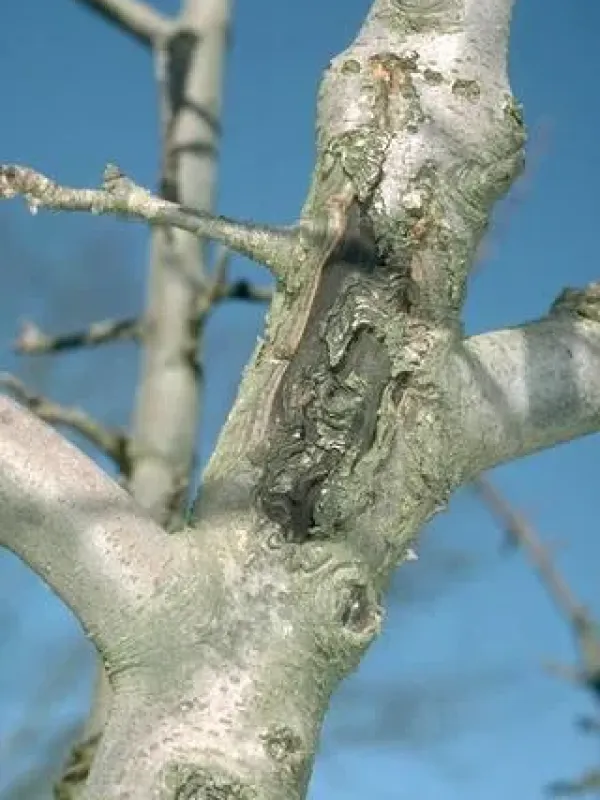
The primary symptom of European fruit tree canker is the appearance of small depressions on the bark of branches or trunks, which eventually develop into open, sunken lesions. As the infection progresses, the bark surrounding the affected area dies and cracks, exposing the wood.
A distinctive feature of this disease is the formation of callus tissue around the margins of the cankers, creating a look of open wounds with concentric ridges. During damp weather, small, red-colored sporulation cushions are often visible on the surface of the lesions.
Young shoots are particularly vulnerable, showing signs of withering and turning brown, which leads to the eventual death of the entire branch tip. If a canker forms a ring around the main trunk, it results in the death of the entire crown located above the infection site.
Fruit can also become infected, manifesting as brown, rotting spots that expand rapidly. Infected fruits often drop prematurely or become sources of infection within the orchard during storage, making them completely unmarketable.
In advanced stages, the structural integrity of the wood is compromised, leading to increased brittleness. Branches often break during strong winds or under the weight of a heavy crop due to the deep decay caused by the fungal activity.
Pathogen
The causative agent is the ascomycete fungus Nectria galligena. It is capable of persisting in infected woody tissue for many years, slowly expanding its mycelial network and causing perennial damage to the host plant.
The fungus survives the winter in the cankers of infected trees, mummified fruits, and fallen leaves. During spring and autumn, it produces spores that are spread by rain splashes and wind, facilitating the infection of new sites.
The disease primarily affects apple trees and European pears. However, it has a wide host range and can infect various broad-leaved trees, including maple, poplar, and lime, which often serve as an inoculum source for orchards.
The fungus enters the host through natural openings like leaf scars, or through mechanical injuries such as pruning cuts, frost cracks, or sites damaged by various insect pests. Preventing these entry points is crucial for disease management.
The pathogen secretes toxins that inhibit the healing process of the tree's wounds, allowing the infection to persist and grow. This biological mechanism makes it a persistent threat that is difficult to eradicate once it becomes established.
Conditions for development
The development of Nectria galligena is strongly linked to cool, wet weather. Optimal infection periods occur in spring and autumn when high humidity and moderate temperatures provide the perfect environment for spore germination.
Trees that are under stress, whether from nutrient deficiency, drought, or waterlogged soil, are more susceptible to the disease. Proper orchard maintenance and soil management are essential to maintain the tree's natural resilience.
Poorly ventilated, dense canopies create a microclimate with high humidity levels, which encourages the spread of the fungus. Overcrowded orchards are significantly more likely to experience rapid transmission of the disease.
Temperature fluctuations during winter frequently cause frost cracks on the bark, which serve as primary entry points for the pathogen. Proactive protection against cold-related injury helps in preventing initial colonization.
Heavy clay soils with high water tables can restrict root development, causing the tree to weaken and become more vulnerable. Monitoring tree health and providing proper drainage can reduce the likelihood of severe outbreaks.
Why it matters
The primary damage is a significant loss in yield and the potential death of high-value fruit trees. Chronic cankers can lead to the permanent loss of productive scaffold branches or the destruction of the entire tree.
Fruit losses during the post-harvest period are substantial, as the fungus spreads easily among stored crops. This impacts the profitability of the operation by shortening the shelf life and reducing overall fruit quality.
Young orchards are particularly at risk, as the infection can lead to complete failure of the plantation before it reaches full maturity. This results in wasted investment and high costs for replanting.
The persistent nature of the disease increases the need for constant chemical treatment and manual labor, raising production costs. Furthermore, diseased trees are often weaker and more susceptible to secondary pest infestations.
Economic damage is compounded by the loss of historical yields and the management costs associated with disinfecting or removing heavily infected plants. Early detection remains the most cost-effective way to mitigate these losses.
Protection
The cornerstone of control is rigorous sanitation: pruning and burning all infected branches. After pruning, it is vital to clean wounds back to healthy tissue and apply protective fungicides or grafting paste to seal the cuts.
Preventative spraying with copper-based fungicides during the dormant period is highly recommended. These treatments reduce the spore load in the orchard and help protect fresh wounds from becoming infected.
Maintaining a balanced nutrition program is essential, as excessive nitrogen applications stimulate excessive vegetative growth, which is softer and more prone to fungal infection. Strengthening the tree's tissue with potassium and phosphorus is beneficial.
Managing insect pests that cause bark damage is necessary to prevent the entry of the pathogen. Maintaining healthy trees and providing enough space between them improves airflow and reduces the risk of disease spread.
- Sanitizing pruning tools with alcohol between each tree.
- Whitewashing trunks to protect bark from sun and cold damage.
- Removing mummified fruits from trees and the orchard floor.
- Monitoring trees for early signs of sunken bark.
- Selecting resistant varieties where available.
Pathogens and affected parts
Affects crops · 1
Discussion
No discussions yet — be the first.