
Description
Symptoms
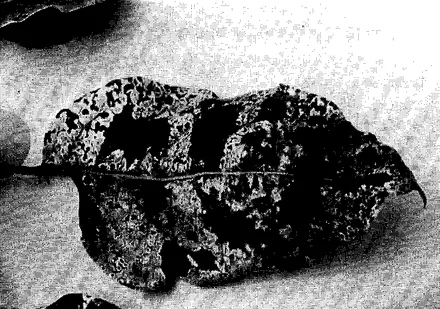
The primary symptom of this disease is a distinct pattern on the leaves of the pear tree. Early in the growing season, chlorotic spots appear, forming clear rings or arc-like shapes.
As the leaves mature, these ring patterns may fade or turn a yellowish hue. In severe cases, the tissue inside the rings may die, leading to the formation of necrotic spots.
Extensive viral infection leads to leaf deformation, reduction in leaf size, and premature leaf drop. The tree loses its lush appearance, looking mottled or mosaic-like.
Fruit symptoms are less common but can occur in susceptible varieties, manifesting as skin deformation or spotting, which significantly reduces the fruit's market value.
The severity of symptoms varies greatly depending on the cultivar. Some trees act as latent carriers, harboring the virus without showing any visible signs of distress.
Pathogen
The disease is caused by the Pear ring mosaic virus, scientifically identified by the acronym PRMV.
This pathogen belongs to a group of plant viruses specifically known to target the Rosaceae family, with Pyrus communis (common pear) being a primary host.
The virus acts as an intracellular parasite, hijacking the host plant's cellular machinery to replicate its own genetic material and produce viral particles.
The infection is systemic, meaning the virus spreads rapidly throughout the tree's vascular system, affecting shoots, roots, and reproductive structures.
At the cellular level, the pathogen disrupts vital metabolic processes and inhibits photosynthesis, gradually weakening the tree's overall vigor.
Conditions for development
The most common mode of transmission in commercial orchards is the use of infected scion wood or rootstock during propagation and grafting.
The virus is easily transmitted through contaminated pruning tools if they are not properly sterilized after contact with an infected tree.
Natural spread within an orchard often occurs via infected pollen or through specific insect vectors, such as certain aphid species.
Environmental stress factors, such as prolonged drought, low humidity, or extreme spring temperature fluctuations, contribute to the expression of the disease.
Poor agricultural practices and inadequate soil nutrition weaken the tree’s natural defenses, making the orchard more susceptible to the rapid spread of viral infections.
Why it matters
Pear ring pattern mosaic causes significant economic impact by reducing annual crop yields and compromising the quality of the harvested fruit.
By impairing photosynthesis, the virus stunts the tree's growth, leading to weak shoot development and a sparse, thinning crown.
Chronic infection lowers the winter hardiness of the pear trees, making them more susceptible to cold damage and severe winter mortality.
Infected trees often exhibit increased susceptibility to secondary infections, such as fungal and bacterial pathogens, which exploit the weakened state of the host.
In nurseries, the presence of this virus necessitates the culling of large batches of planting material, resulting in substantial financial losses for producers.
Protection
The most effective strategy is to use exclusively virus-free, certified planting material to prevent the introduction of the pathogen into new orchards.
Strict sanitation protocols must be enforced, including the regular disinfection of pruning shears, knives, and saws using alcohol or other effective sanitizers.
Ongoing monitoring of the orchard is essential, with the immediate removal and destruction of severely infected trees to prevent further spread.
Integrated pest management should be implemented to control insect vectors that are known to transmit the virus between trees.
Maintaining high orchard standards through balanced fertilization, irrigation, and proper pruning helps ensure tree health and strengthens overall resistance to viral pressure.
Pathogens and affected parts
Affects crops · 1
Discussion
No discussions yet — be the first.