
Description
Symptoms
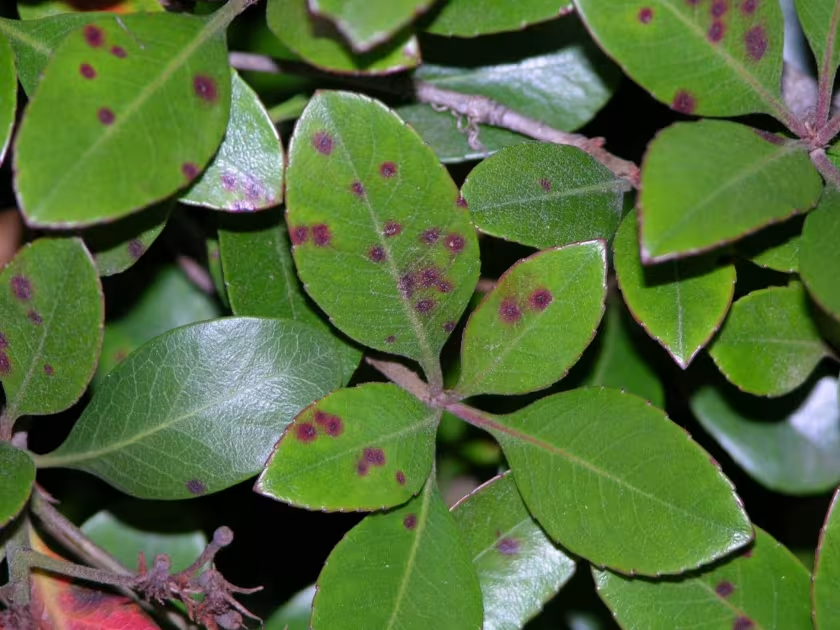
The initial symptoms of the disease appear as small, round or angular spots of dark brown or reddish-brown color forming on the leaf blades. Over time, these spots may merge, covering significant areas of the leaf tissue and leading to premature drying and wilting.
On young shoots, the infection manifests as depressed dark lesions that can cause the bending or dying off of branch tips. The disease frequently affects fruits, where it creates black or dark brown dry spots with blurred, irregular margins.
In high-humidity conditions, small light-colored pads form on the surface of the affected tissues, which represent the conidial sporulation of the fungus. This is a primary diagnostic feature that distinguishes Fabraea leaf spot from other types of necrosis.
Massive leaf infestation leads to premature defoliation, which significantly weakens the tree before the dormant winter period. In severely infected plants, one may observe fruit deformation and cracking in the areas where the infection spots have developed.
Visual diagnosis during the early stages can be difficult as the spots may resemble apple scab; however, the lack of a velvety coating and the specific shape of the lesions allow for the precise identification of this pathogen.
Pathogen
The causative agent of the disease is the ascomycete fungus Diplocarpon mespili, which is a pathogen that parasitizes members of the Rosaceae family. Throughout its development cycle, the fungus produces both asexual (conidial) and sexual (ascosporic) stages.
The pathogen primarily overwinters as mycelium or as apothecia in fallen leaves and on affected pear shoots. In spring, as favorable weather sets in, the spores mature and are dispersed by wind and rain splashes.
The infection is characterized by its ability to spread rapidly throughout the growing season due to the repeated production of conidia. This allows the fungus to colonize new parts of the canopy after every rainfall or heavy dew event.
The biology of the pathogen is closely linked to the host's development, with the peak of fungal activity often coinciding with the rapid growth of young leaves. The fungus enters plant tissues through stomata or mechanical damage to the epidermis.
The pathogen can remain viable in plant debris for a long time, making these remnants the primary source of initial infection for the following season. Understanding this development cycle is crucial for planning effective sanitation.
Conditions for development
The development of Fabraea leaf spot is facilitated by prolonged rains and high relative humidity during the spring and summer. The optimal temperature range for spore germination is between 18 and 25 degrees Celsius.
Densely planted pear orchards, where air circulation is restricted, create an ideal microclimate for the buildup of the infection. A poorly ventilated canopy retains moisture on the leaves for longer periods, facilitating spore penetration.
A lack of proper maintenance, including neglecting sanitary pruning and failing to remove fallen foliage, creates a cumulative effect for Diplocarpon mespili spores. Each year, under favorable conditions, the infection intensity within the orchard increases.
Weakened trees suffering from nutrient deficiencies or drought stress become more susceptible to fungal pathogens. Plant immunity plays a significant role in limiting the rate of disease progression.
Improper irrigation practices, especially overhead watering, promote the spread of the fungus within a single tree and to neighboring crops. Maintaining good agricultural standards is the first step toward suppressing epiphytotics.
Why it matters
The primary damage from the disease consists of a sharp decrease in active leaf surface area, which disrupts photosynthesis. This leads to the depletion of nutrient reserves in the wood and a reduction in the cold hardiness of fruit crops.
Fruit infection makes the produce unmarketable due to an unsightly appearance and a loss of flavor quality. The flesh of the pear beneath the lesions often becomes woody, making long-term storage and processing impossible.
In young seedlings, severe spot development leads to shoot dieback, which impairs the formation of the tree's crown. In nurseries, the disease can cause total loss of grafts and significant destruction of planting material.
Chronic orchard infection leads to annual yield declines and premature tree aging. The fruits become smaller, lose their juiciness, and develop a characteristic spotting that lowers their market value.
In years highly favorable to the pathogen, Fabraea leaf spot can cause defoliation by mid-summer, preventing the tree from successfully setting fruit buds for the following year.
Protection
Prevention begins with the thorough removal and destruction (burning or deep burying) of fallen leaves, which serve as the main reservoir for the infection. Cleaning the area around the tree trunks in autumn significantly reduces the spore load.
Regular sanitary and structural pruning must be performed to ensure good canopy ventilation. Balanced nutrition with phosphorus and potassium fertilizers increases the tree's natural resistance to infection.
Chemical protection involves the application of fungicides during periods of high infection risk, usually before and after blooming. It is recommended to use copper-based products or systemic, broad-spectrum fungicides.
To prevent the pathogen from developing resistance, it is necessary to alternate fungicides from different chemical groups. Treatments should be preventive and applied according to a schedule rather than only after spots appear.
In orchards with high risk of infection, it is advisable to plant pear varieties that possess genetic resistance to leaf spot diseases. Utilizing healthy, certified planting material prevents the introduction of the disease to new sites.
Pathogens and affected parts
Affects crops · 1
Discussion
No discussions yet — be the first.