
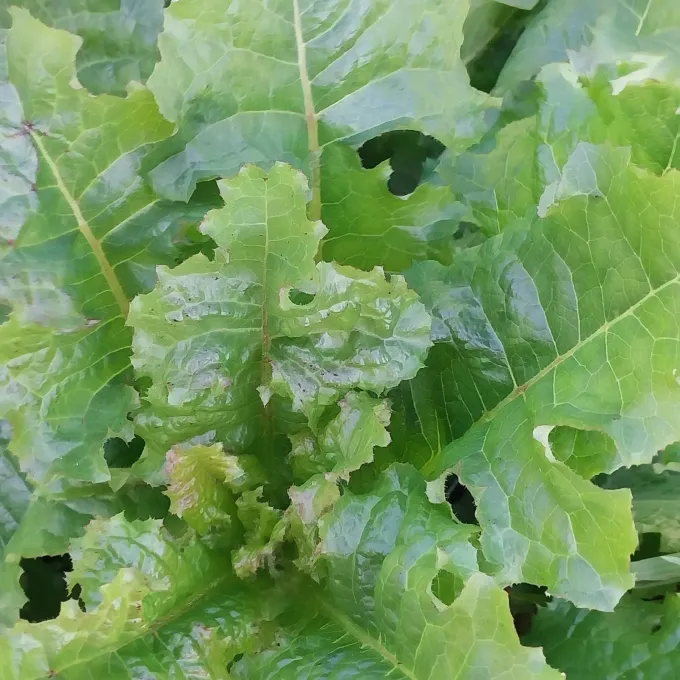
Description
Sowing dates
Lettuce is a cold-hardy crop, typically sown in early spring as soon as the soil reaches a temperature of 5–10°C. For a continuous harvest, seeds are sown in succession every 10–14 days throughout the growing season.
When grown in greenhouses or protected environments, sowing dates depend on light levels and temperature control. During the autumn-winter season, supplemental lighting is necessary to prevent etiolation and premature bolting of the plants.
Planting schemes depend on the cultivar type: for leaf lettuce, the optimal row spacing is 15–20 cm, whereas heading varieties require at least 30–40 cm of space. Seeds are planted at a depth of 0.5–1 cm because lettuce seeds require light to germinate effectively.
In hot climate regions, summer sowing is often inefficient due to the plant's rapid transition to the flowering stage. Under these conditions, it is recommended to use heat-resistant varieties or employ shading nets to maintain quality.
The optimal germination temperature for seeds is between 15°C and 20°C. If temperatures exceed 25°C, seeds may enter secondary dormancy and lose viability, a factor that must be considered when planning sowing schedules.
Growing requirements
Lettuce (Lactuca sativa L.) belongs to the Asteraceae family. It is an annual herbaceous plant that requires high light intensity, as low-light conditions can lead to the excessive accumulation of nitrates in the leaves.
The crop prefers fertile, loamy, or sandy soils with a neutral or slightly acidic pH (6.0–7.0). High soil acidity negatively impacts root system development and the uptake of essential nutrients.
Because lettuce has a shallow root system, regular and consistent irrigation is critical. Drying out of the topsoil leads to reduced product quality, loss of crispness, and the development of bitterness in the leaves.
Balanced availability of nitrogen, phosphorus, and potassium is necessary for healthy growth. However, excessive nitrogen fertilization immediately before harvest should be avoided to minimize the risk of nitrate accumulation in the foliage.
Lettuce is highly sensitive to waterlogging, so in areas with a high water table, growing the plants on raised beds is recommended. The optimal relative humidity for the crop is 60–70%.
Yield
The yield of lettuce depends significantly on the cultivar, growing method, and planting density. Leafy varieties typically produce between 1.5 and 3 kg of marketable produce per square meter.
Heading varieties have a longer maturation cycle, but their yield per unit area can reach 4–5 kg. Intensive production systems, including hydroponic methods, can significantly increase total biomass output.
A key factor in achieving high yields is the prevention of bolting. The use of modern cultivars that are resistant to long-day conditions allows for maintained marketability even during warmer summer months.
Early-maturing varieties allow for harvesting as soon as 30–45 days after emergence. Some leafy varieties allow for multiple harvests during a single season using the "cut-and-come-again" method.
Strict adherence to agronomic standards, including timely thinning of seedlings and effective weed management, ensures the full realization of the crop's genetic potential and the production of a high-quality, uniform yield.
Main diseases and pests
Lettuce is susceptible to various fungal diseases, with Sclerotinia and Rhizoctonia being particularly damaging, as they infect the root neck and lower leaves under high-moisture conditions.
Alternaria and Anthracnose appear as leaf spots, significantly reducing the market value of the crop. High humidity and poor air circulation in the planting area promote the development of these pathogens.
Verticillium wilt and White mold (Sclerotinia rot) can impact the root system, especially when crop rotation is not practiced or when lettuce is planted after susceptible host species.
Viral diseases, such as Tomato mosaic virus and Tobacco mosaic virus, pose a serious threat. These are transmitted via contaminated tools, insect vectors, or infected plant residues, causing leaf deformation and mosaic symptoms.
Pests like slugs, aphids, and cutworms cause significant damage. To minimize risks, growers should practice crop rotation, use high-quality disease-free seeds, and remove weeds that act as viral reservoirs.
Harvesting
Lettuce harvest is best performed during early morning hours when the plants are fully turgid. This is critical for maintaining the freshness and crispness of the leaves post-harvest.
Leafy varieties are harvested by either cutting the entire rosette or by selectively removing the largest outer leaves. Heading varieties are cut at the base once the head reaches the desired density and size.
Immediately after harvest, the produce should be cooled to slow down respiration and moisture loss. Lettuce is extremely temperature-sensitive; the ideal storage temperature ranges from 0°C to 2°C.
To prevent mechanical injury and wilting, the produce should be packaged and transported to the market as quickly as possible. Storage near ethylene-producing vegetables (such as tomatoes) should be avoided.
For short-term domestic storage, lettuce should be placed in sealed bags to prevent moisture loss and the absorption of external odors, which can severely compromise the taste and flavor profile.
In brief
54
Crop diseases
Content graph
Crop diseases · 54
Alfalfa mosaicAlternaria leaf spotAnthracnoseBacterial leaf spotBacterial soft rotBeet western yellowsBeet yellowsBidens mottleBird damageBlack root rotBlack rotBrown leaf rustBrown spotCercospora leaf spotCercospora leaf spotCorky root rotCucumber mosaicDandelion yellow mosaicFusarium wiltGray moldGroundnut ringspot virusImpatiens necrotic spot virusLate blightLettuce big veinLettuce chlorosisLettuce mosaicLettuce phyllodyLongidorusMoroccan pepper virusPeronosporosisPhoma leaf spotPhytophthora root and stem rotPink ribPlant RustPowdery mildewPythium root rotRhizoctonia root rotRib discolorationRoot-knot nematodeRusset spottingSclerotinia rotSeptoriaSonchus yellow net virusSouthern blightSowthistle yellow veinSpiral nematodeStemphylium leaf spotStunt nematodeTexas root rotTobacco mosaic virusTomato mosaic virusTurnip mosaicVerticillium wiltWhite mold of sunflower head
Content graph
Connections · Lettuce
Most often together:
Marketplace
Products · 101
All 101
Lettuce 101
Herbicides, Desiccants 9
Plant Growth Regulators 4
Fertilizers 3
Fungicides 2
Biological Products 1

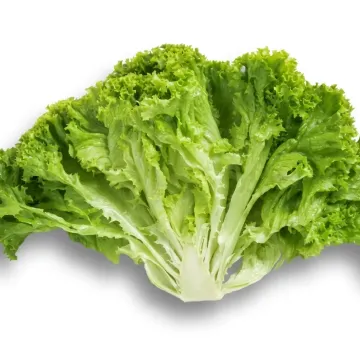
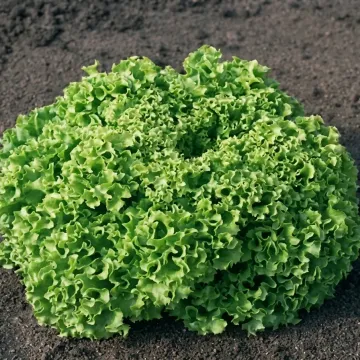

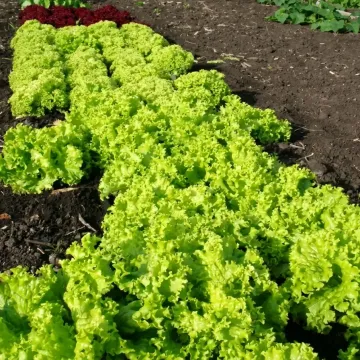




Kruleva Liata (Koroleva Leta)
PNOS Ozarow Mazowiecki
Lettuce
0
0
·
797
7 offers
116 €per 1000 seeds
Buy