

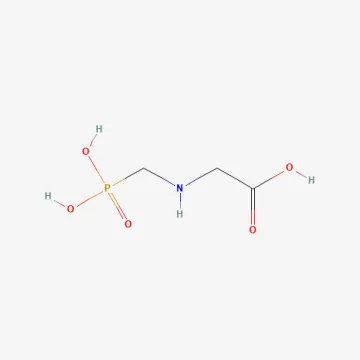
Description
Mode of action
Organic substances used in crop protection products represent a diverse class of carbon-based compounds that possess significant biological activity. These substances are engineered or derived from natural sources to target specific physiological processes in pathogens, insects, or weeds while minimizing impact on non-target species.
The mode of action of organic crop protection agents typically involves disrupting the metabolic pathways of the target organisms. By targeting essential enzymes or cellular membrane integrity, these compounds effectively neutralize threats without the persistence often associated with heavy metal-based fungicides or insecticides.
Many organic compounds act by triggering systemic acquired resistance (SAR) in plants. This biological response prepares the plant to defend itself against future attacks, reinforcing its natural immunity and ensuring more robust growth even under high disease pressure.
A key characteristic of this group is their biodegradability, as most organic-based products decompose into harmless metabolites within a short period after application. This makes them highly suitable for integrated pest management (IPM) systems where environmental safety is a top priority.
Farmers benefit from the reduced risk of residue buildup in harvested produce, which is essential for meeting modern international standards for food quality. Furthermore, the use of these substances helps maintain the biodiversity of beneficial insects and soil microorganisms in the treated fields.
What it targets
These substances are utilized to manage a variety of plant diseases including mildews, rusts, and blights, as well as various sap-sucking and chewing pests. They are also effective as growth regulators or selective herbicides when applied according to the specific developmental stage of the crop.
Rates and timing
Application rates depend on the specific chemical structure and the target pest, typically ranging from 0.5 to 5 liters per hectare in field crops. Optimal timing is crucial, and applications are usually recommended during early infection stages or during peak pest activity windows.
Restrictions
Application should be avoided during peak heat or intense sunlight, as some organic substances may degrade prematurely. Users must strictly avoid tank-mixing with incompatible chemicals to prevent the inactivation of the active ingredient and ensure complete coverage of the target area.
Content graph
Connections · Organic Matter
Most often together:
Marketplace
Products · 412
All 412
Herbicides, Desiccants 329
Fertilizers 75
Plant Growth Regulators 5
Insecticides, Acaricides 3


Dominator 360
Доу АгроСайенсіс С.А.С., Друзенхайм, Франція
Herbicides
2
0
·
3.2K
2 offers
13.97 €per 1 l
Buy


Clear 480 SL
Жейянг Дейо Кемікал Індастріал Ко, Жейянг, Китай.
Herbicides
1
0
·
2.4K
12 offers
3.15 €per 1 l
Buy

Glyphosate
«Нанджин Голдченс Агрокем Ко. Лтд» (Китай)
Herbicides
1
0
·
2.3K
27 offers
3.05 €per 1 l
Buy

Pilaround
Піларквім (Шанхай) Ко., Лтд. (Pilarquim (Shanghai) Co, LTD), Шанхай, Китай
Herbicides
0
0
·
2.2K
1 offer
19.7 €per 1 l
Buy


Glyphogold
F.A.GAN Chemical Manufacturers Ltd. Israel, member
Herbicides
0
0
·
1.9K
1 offer
8.95 €per pack
Buy


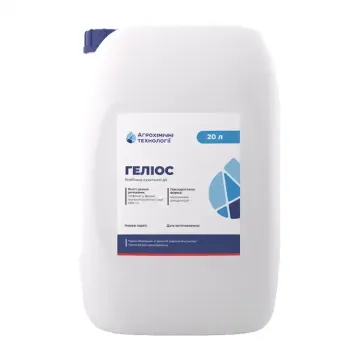


Fertigrain Foliar / Fertigrain
AgriTecno Fertilizantes SL, Spain
Fertilizers
2
1
·
1.7K
3 offers
13.84 €per 1 kg
Buy


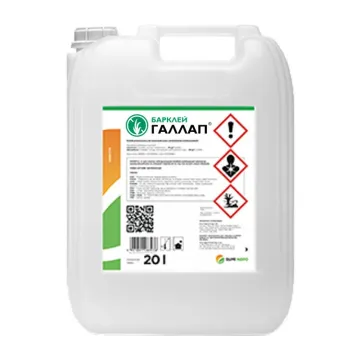
Barkley Gallap 360
рклей Кемікаоз Лтд, м.Дублін Ірландія
Herbicides
0
0
·
921
2 offers
8.4 €per 1 l
Buy


GLYPHOS-STAR 480 SL
Zhejiang Zhongshan Chemical Industry Group Co., Ltd.
Herbicides
0
0
·
294
1 offer
5.74 €per 1 l
Buy


Helios Extra
Шаньдун Чіаочан Кемікал Ко. Лтд. (SHANDONG QIAOCHANG CHEMICAL CO., LTD)
Herbicides
0
0
·
95
36 offers
4.44 €per 1 l
Buy


Fertilizer "SHELDRA NIVA GV" Grade B
SHELDRA NIVA HERSON GVV, LLC
Fertilizers
0
0
·
87
2 offers
0.28 €per 1 kg
Buy


Federal, RK (isopropylamine salt of glyphosate, 480 g/l + dicamba, 60 g/l)
«Нанджин Ессенс Файн-Кемікал Ко. Лтд» (Китай)
Herbicides
0
0
·
75
1 offer
29.38 €per 1 l
Buy


SPLENDID FERTILIZER GV
SHELDRA NIVA HERSON GVV, LLC
Fertilizers
0
0
·
72
3 offers
1.02 €per 1 kg
Buy
