
Blue lettuce
Lactuca tatarica (L.) C. A. Mey.
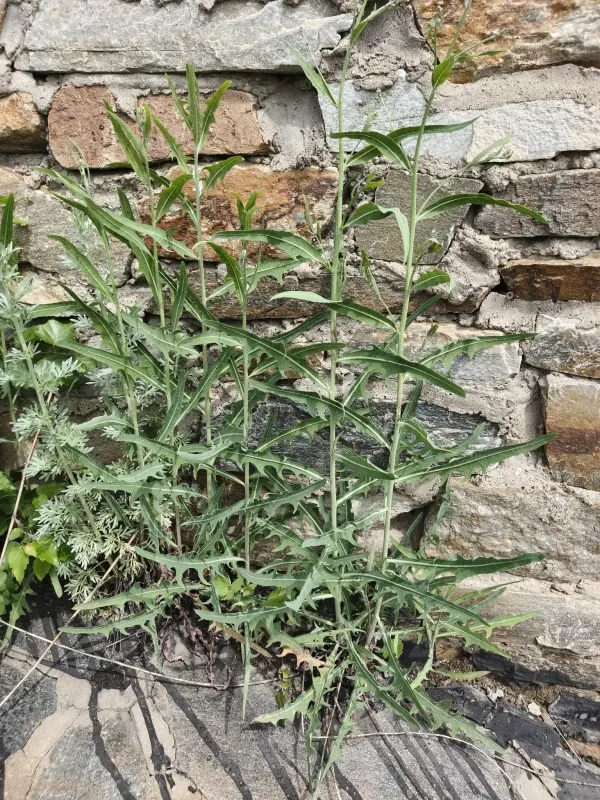
Description
Sowing dates
Blue lettuce is a perennial plant that typically propagates through vegetative spread via deep root systems rather than deliberate agricultural sowing.
In natural and disturbed habitats, the plant produces wind-dispersed seeds equipped with pappus, allowing them to colonize agricultural fields throughout the growing season.
Seed germination generally begins in the spring when soil temperatures reach approximately 10 to 15 degrees Celsius, providing the energy needed for initial development.
The plant relies heavily on its underground rootstock to establish dense colonies, making it a persistent fixture in non-tilled or minimally managed land areas.
Farmers usually view the emergence of these seedlings as a signal to implement weed management strategies to prevent the deep root systems from becoming fully established.
Growing requirements
Belonging to the Asteraceae family, blue lettuce is known for its remarkable adaptability to various soil types, ranging from sandy loams to heavy clays.
It thrives in open, sunny environments where it can maximize photosynthesis, as light competition is a significant limiting factor for its vegetative growth.
The species is highly tolerant of drought conditions, utilizing its deep taproot to reach moisture levels far beneath the surface of the soil.
Blue lettuce also exhibits high resistance to cold temperatures, allowing it to survive harsh winter conditions without suffering significant damage to its dormant root system.
Soil nutrient status does not strictly limit its spread; it is frequently found in nutrient-poor areas where other, less resilient species struggle to survive.
Main diseases and pests
Blue lettuce possesses a high degree of natural resistance to most plant pathogens that typically affect standard agricultural and garden crops.
Aphids are the most common pests found on the plant, as they frequently feed on the nutrient-rich sap within the developing flower stems.
While some fungal diseases may occur during periods of excessive rainfall, the plant's robust structure usually prevents systemic infection from damaging the rootstock.
Managing the plant requires long-term herbicide applications or intensive cultivation practices that target the root system to prevent regeneration.
- Severe competition with crops for water and sunlight.
- Reduction of harvest efficiency due to thick stem density.
- Interference with harvesting equipment during crop collection.