


Биоорганическое нано удобрение "НАГРО" / "NAGRO"
LLC NPO "BIOPLAN"
Fertilizers
43
25
·
11.2K
1 offer
365.08 €per pack
Buy
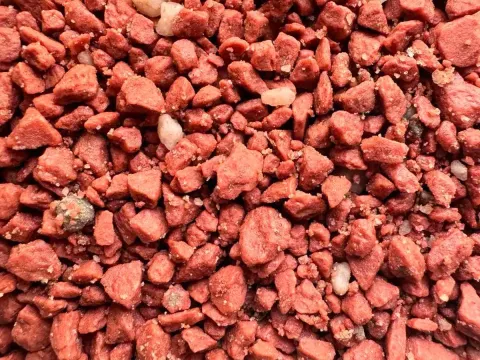
Potassium is an essential macronutrient involved in over 60 enzyme systems that regulate plant growth, photosynthesis, and energy metabolism. It plays a pivotal role in synthesizing proteins and carbohydrates, which directly determines the quality of fruits and vegetables.


One of the primary functions of potassium is the regulation of water movement within the plant. By controlling the opening and closing of stomata, it optimizes water use efficiency and helps plants withstand periods of drought.
Potassium strengthens plant cell walls, which increases physical durability. This contributes to better resistance against lodging in grains and promotes the development of thick, sturdy stems in various crops.
This nutrient significantly improves crop quality. It enhances the accumulation of starch in tubers and sugars in fruits, improving taste, texture, and the ability of the produce to store well for longer periods.
Increased potassium levels boost the overall immune system of plants, making them more resilient to pests and diseases. It also improves winter hardiness by increasing the concentration of solutes in the cell sap.
The most common sign of potassium deficiency is the yellowing and subsequent burning of the edges of older leaves, known as marginal chlorosis or leaf scorch. This occurs because potassium is mobile in the plant and moves from older tissue to newer growth.
Deficient plants often exhibit stunted growth and short internodes. Because potassium is vital for root development, low levels can result in a poorly developed root system, reducing the plant's ability to absorb water and nutrients.
Excess potassium can induce deficiencies in other cations, such as magnesium or calcium, due to chemical competition for uptake. This may lead to localized chlorosis even when the soil has sufficient amounts of these nutrients.
High concentrations of chloride-based potassium fertilizers in the root zone can cause salinity stress, particularly in salt-sensitive crops, leading to root tip burn and reduced water uptake.
Common potassium sources include muriate of potash, potassium sulfate, and potassium magnesium sulfate. The choice of fertilizer should be based on the specific crop tolerance to chloride ions.
In most cropping systems, the bulk of potassium fertilizer is applied as a basal dressing during soil preparation in the autumn or spring. Incorporating the nutrient into the root zone is crucial due to its low mobility.
On light, sandy soils prone to leaching, split applications are highly recommended. Applying potassium at planting and as a side-dress during active growth helps to ensure a steady supply for the plants.
For high-value crops like potatoes, berries, and vegetables, potassium top-dressing during the fruit-filling stage is highly effective. Foliar applications can also be used as a supplement during acute stress periods.
Application rates should be based on soil test results and expected crop yield targets. A standard guideline involves replacing the amount of potassium removed by the harvest to maintain long-term soil fertility.