
Butterhead lettuce
Lactuca sativa L. var. capitata L.
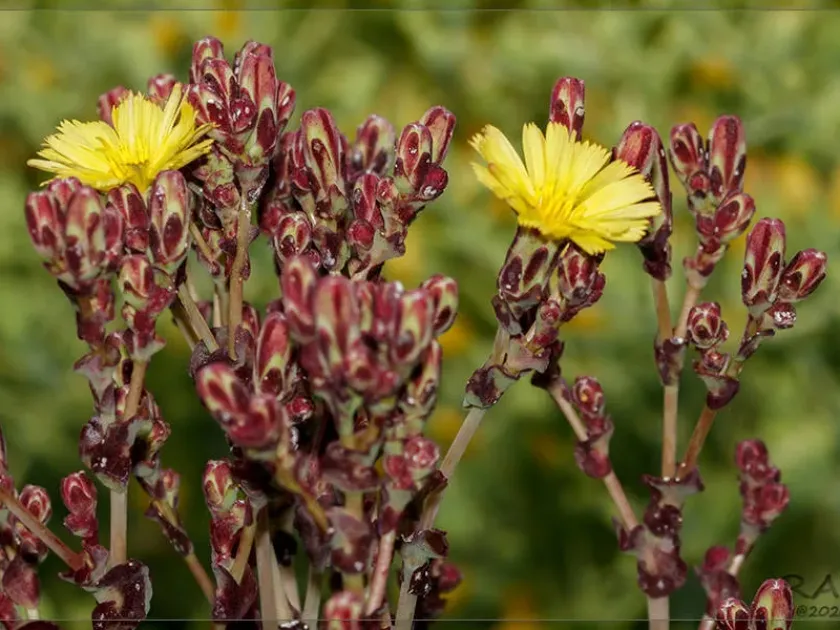
Description
Sowing dates
Butterhead lettuce is typically sown in early spring as soon as the soil can be worked, as it thrives in cooler temperatures ranging from 5°C to 15°C.
Succession planting is recommended every two weeks to ensure a continuous harvest of fresh, tender leaves throughout the growing season.
In greenhouse settings, seeds can be started earlier in the season, allowing for earlier market availability and better protection from frost.
Seeds should be sown shallowly, barely covered with soil, as they require some exposure to light to trigger germination effectively.
Proper spacing is essential for head development; seedlings should be thinned to approximately 25–30 cm apart to prevent competition for resources.
Growing requirements
This crop, belonging to the Asteraceae family, prefers rich, loamy, well-draining soils with a near-neutral pH level for optimal nutrient absorption.
Consistent moisture is critical; however, soil should not be waterlogged, as poor drainage is a primary cause of root rot and foliage disease.
Butterhead lettuce prefers temperatures between 15°C and 20°C; exposure to heat often triggers bolting, where the plant produces bitter flower stalks.
While the plant benefits from full sun, partial shade in hot climates helps prevent bolting and keeps the leaves sweet and succulent.
Regular cultivation of the soil surface helps manage weeds and improves aeration, which supports the healthy development of the lettuce head.
Yield
Productivity for butterhead lettuce can reach between 2 to 5 kg per square meter depending on the specific cultivar and intensity of management.
Hybrid varieties often provide higher yields and more uniform head size, making them a preferred choice for commercial vegetable operations.
Consistent water supply and balanced nitrogen applications during the vegetative phase are the primary factors contributing to higher biomass production.
Yield stability is maintained by selecting varieties resistant to specific local diseases and those adapted to the prevailing photoperiod of the region.
Careful attention to plant density and management of competitive weeds allows the plants to reach their genetic potential for head weight and quality.
Main diseases and pests
Common diseases affecting this crop include downy mildew, powdery mildew, and various forms of soft rot caused by high humidity around the base.
Pests such as aphids, slugs, and snails are frequent threats, often feeding on the tender leaves and significantly reducing the marketability of the crop.
- Crop rotation to break disease and pest cycles
- Installation of physical barriers for slugs and snails
- Maintaining proper spacing to ensure adequate air circulation
- Regular monitoring for aphid infestations on leaf undersides
- Strategic irrigation to avoid foliage wetting during late hours
To mitigate disease pressure, it is essential to ensure that leaves dry quickly after irrigation or rainfall, reducing the likelihood of fungal infections.
Harvesting
Harvesting is performed manually once the heads feel firm and reach their full intended size, typically 60 to 80 days after sowing.
The best quality is obtained by harvesting during the early morning hours, which helps preserve the high moisture content of the leaves.
Heads should be cut at the soil surface, with lower, older, or damaged leaves removed to prepare the product for distribution or sale.
Post-harvest handling is critical; produce must be cooled quickly to remove field heat and prevent wilting, which occurs rapidly in this delicate variety.
Proper packaging, such as ventilated crates, ensures that the leaves are not crushed, maintaining the aesthetic and culinary value of the butterhead lettuce.