
Cercospora leaf spot
Pseudocercospora handelii
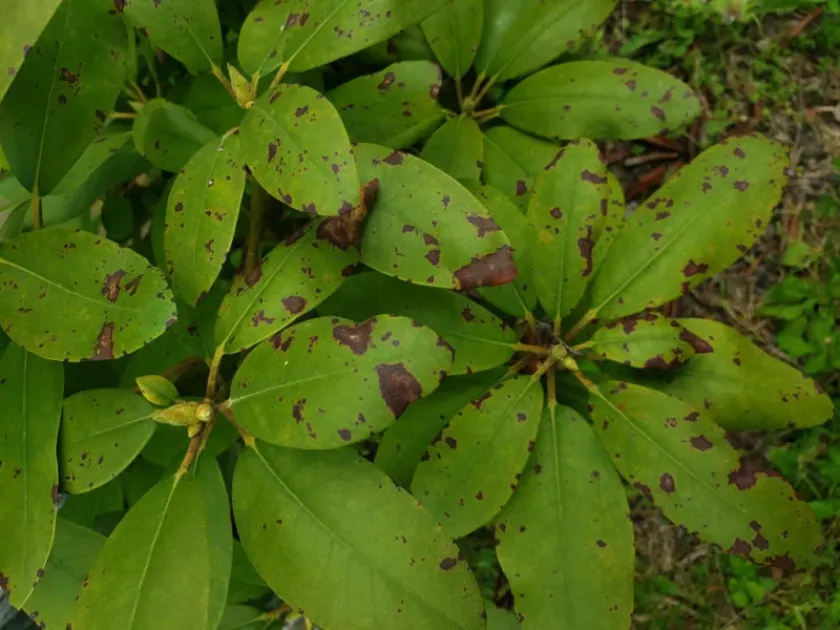
Description
Symptoms
The primary symptom is the appearance of small, round to irregular spots on the leaves, which expand and darken over time.
Spots often exhibit a dark, distinct border, sometimes surrounding a tan or grayish center where the fungus reproduces.
On the undersides of the leaves, a faint, dusty gray or brown coating may be visible, which consists of masses of fungal spores.
As the infection progresses, affected spots merge, causing leaves to turn yellow, wither, and drop prematurely from the stem.
- Small necrotic leaf spots.
- Distinctive marginal rings.
- Fungal spore coating on the leaf underside.
- Yellowing (chlorosis) of foliage.
- Premature defoliation of the plant.
Pathogen
The disease is caused by the pathogenic fungus Pseudocercospora handelii, which is widely recognized as a serious threat to various ornamental and edible plant species.
The pathogen overwinters in the form of dormant mycelium or spores on fallen leaves, soil, and debris around the host plant.
During the growing season, conidia are dispersed by wind and splashing water, landing on susceptible tissues to initiate a new infection cycle.
The fungus is highly specialized in penetrating the leaf surface and colonizing internal tissue, leading to localized damage.
Plants such as rhododendrons, roses, grapevines, lettuce, and sweet potatoes are among the most common hosts affected by this fungal organism.
Conditions for development
Cercospora leaf spot flourishes in warm, humid climates where periods of leaf wetness persist for long durations.
Temperatures ranging from 20°C to 28°C provide an optimal environment for the rapid germination of conidia and colonization of leaf tissue.
Dense plantings that restrict airflow allow moisture to accumulate on leaves, significantly increasing the severity of the disease.
Overhead irrigation systems can inadvertently promote the spread of spores from infected leaves to healthy parts of the plant canopy.
Plants that are weakened due to nutritional deficiencies or inadequate light levels are more susceptible to becoming primary infection targets.
Why it matters
The disease reduces the photosynthetic capacity of the plant, which is vital for energy production and overall vitality.
A severe outbreak can lead to complete defoliation, leaving the plant vulnerable to sunscald and secondary pathogens.
For ornamental plants, the loss of leaves directly impacts aesthetic value, while in crops, it drastically reduces yield and fruit quality.
Repeated annual infections can lead to the long-term decline of the plant, often resulting in stunted growth or death.
In nursery environments, the presence of the fungus often results in the rejection of plant stock and potential loss of commercial inventory.
Protection
Strict sanitation is critical: collect and dispose of all fallen leaves and diseased plant debris to minimize the amount of inoculum available for the next season.
Promote air circulation by proper pruning and maintaining appropriate spacing between plants to prevent high humidity buildup.
Apply fungicides containing copper or other approved systemic chemicals at the first sign of spotting to contain the spread.
Switch to drip irrigation systems to keep the foliage dry and reduce the likelihood of water-borne spore transmission.
Incorporate balanced soil nutrition and mulch management to reduce soil splashing, which often brings the fungus into contact with lower foliage.
Pathogens and affected parts
Affects crops · 5
Discussion
No discussions yet — be the first.