
Description
Pathogen
Lettuce mosaic is a viral disease caused by the Lettuce mosaic virus (LMV), which is a member of the Potyvirus genus. It is one of the most common and damaging viruses affecting lettuce worldwide.
The virus is characterized by flexuous filamentous particles containing RNA. It exhibits a systemic infection pattern, spreading throughout the host plant's vascular tissues.
The primary reservoir for the virus includes weed species that can host the pathogen over winter, as well as the infected lettuce seeds themselves.
Transmission occurs through seed-borne infection (vertical) and via insect vectors (horizontal), primarily aphid species, which act as non-persistent vectors.
Aphids can acquire the virus after feeding for only a few seconds on an infected plant, making them highly efficient at spreading the infection across fields.
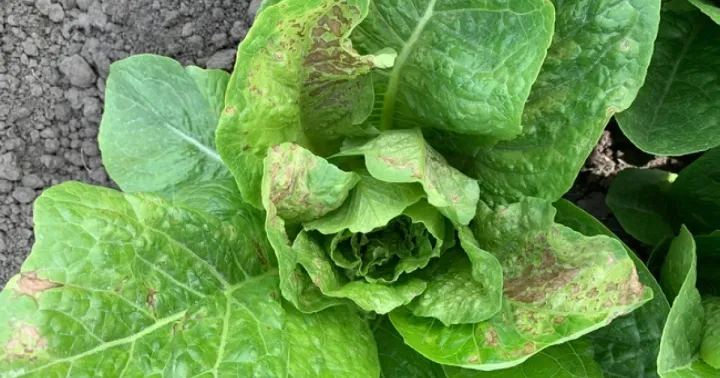
##signs##The hallmark of the disease is a light green or yellow mosaic pattern on the leaves. These patterns often follow the leaf venation, creating a distinct speckled appearance.
Symptoms also include deformation and stunting. Leaves may become distorted, crinkled, or serrated, and the plant often fails to develop into a normal, robust form.
Stunting is particularly severe if the plant becomes infected early in the growing season. Affected plants remain small and often fail to produce marketable heads.
In head-forming lettuce, the virus may cause internal necrosis, where the inner leaves show brown, dead spots, rendering the entire head unusable for food.
The severity of the symptoms can vary significantly depending on the age of the plant at the time of infection and the specific susceptibility of the lettuce variety.
##conditions##The spread of Lettuce mosaic virus is heavily dependent on the population dynamics of aphids. Warm and dry weather usually triggers aphid migration, facilitating the viral spread.
Inadequate field sanitation, such as leaving weeds or crop residues in the field, creates a conducive environment for the virus to survive and persist.
High-density planting increases the rate of viral transmission, as it allows aphids to move easily from one plant to the next, accelerating the outbreak.
Using infected seeds is a major risk factor, as the virus can be carried internally in the embryo, ensuring that the field becomes infected right from the start.
Lack of crop rotation contributes to the accumulation of the virus and the presence of persistent reservoirs within the local farming ecosystem.
##harm##The primary economic damage caused by LMV is the loss of marketability. Deformed and necrotic lettuce heads are visually unappealing and fail to meet retail standards.
Infected plants have significantly reduced growth rates, which delays harvest and reduces the overall yield volume per unit of area.
Internal necrosis in head lettuce often goes undetected until harvest, which can lead to post-harvest quality issues and financial losses for growers and retailers.
Diseased lettuce is also more susceptible to secondary pathogens, including various fungal and bacterial rots, which further degrade the final product.
Once a field is infected with LMV, controlling the spread becomes challenging, often requiring large-scale removal or destruction of infected batches.
##control##The most crucial step in managing Lettuce mosaic is the use of healthy, virus-tested seed lots, as this prevents the introduction of the virus into the field.
Effective aphid control using strategic insecticide applications can help limit the spread of the virus within a healthy crop, though it cannot cure infected plants.
Implementing rigorous field sanitation practices, including the eradication of host weeds in and around the farm, is essential for reducing infection pressure.
- Maintain a strict crop rotation schedule to break the viral disease cycle.
- Plant resistant or tolerant lettuce varieties where available.
- Implement physical barriers or spatial isolation between young and old crops.
- Immediately rogue out any plants showing early signs of mosaic to limit spread.
Regular scouting for both aphids and early symptom development is the foundation of an effective integrated pest management (IPM) strategy for lettuce crops.
Pathogens and affected parts
Affects crops · 1
Discussion
No discussions yet — be the first.