
Romaine lettuce
Lactuca sativa L. var. longifolia Lam.
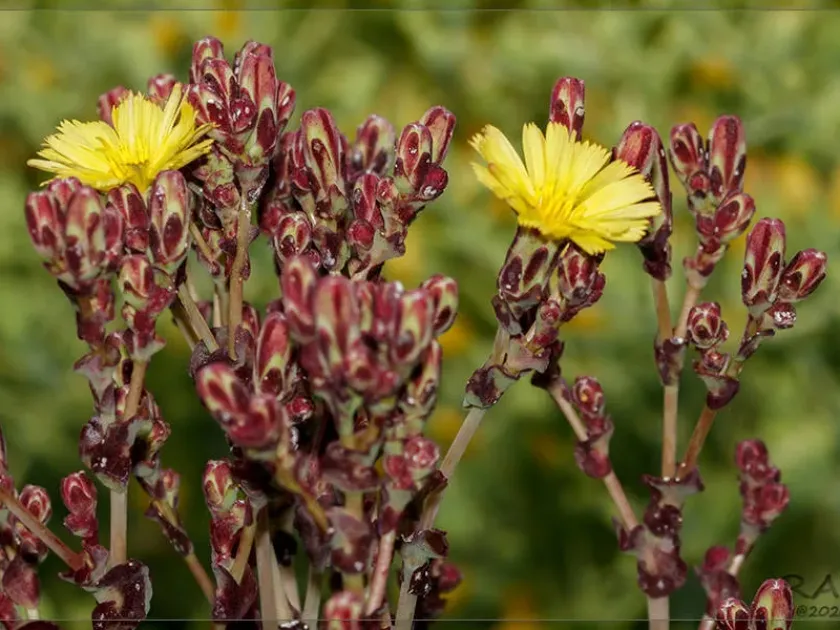
Description
Sowing dates
Romaine lettuce is a long-day crop, so planting dates are critical to prevent premature bolting. In outdoor conditions, sowing begins in early spring as soon as the soil temperature reaches 5–8°C.
To ensure continuous supply, growers practice a succession planting method every 10–14 days. Summer sowings require the use of bolt-resistant varieties, as excessive heat and light intensity trigger the plant's reproductive phase.
When starting seedlings, seeds are sown at a depth of 0.5–1 cm. Using cell trays produces strong seedlings with well-developed root systems, ensuring faster establishment and better survival rates after transplanting.
Plant spacing depends on the specific variety: mini-romaine types require about 20x20 cm, while larger heading varieties need 30–40 cm between plants to allow for proper head development and air circulation.
In warmer climates, late-autumn planting is possible for early spring harvests, provided that the crops are protected with row covers to shield them from late frosts and fluctuating temperatures.
Growing requirements
As a member of the Asteraceae family, romaine lettuce requires fertile, well-draining soil. An optimal pH range is 6.0–7.0; acidic soils tend to stunt growth and result in poor leaf quality and diminished marketability.
Consistent moisture is vital for romaine lettuce, yet waterlogged soil must be avoided to prevent root rot. Drip irrigation is highly recommended to maintain even soil moisture and crisp leaf texture throughout the growth cycle.
The temperature optimum for development is 15–20°C. If temperatures exceed 25°C combined with low humidity, the leaves become tough and develop a bitter taste, significantly reducing the crop's quality and shelf life.
Sufficient light is essential for robust growth. Shaded conditions lead to spindly, loose heads and lower nutrient density, making it harder to achieve the dense, compact hearts that define high-quality romaine.
The soil should be rich in organic matter. Incorporating compost or well-rotted manure prior to planting provides the necessary nutrients for vigorous foliage development while improving soil structure and water retention.
Yield
Yields for romaine lettuce vary based on management practices and hybrid selection. Intensive field cultivation can produce between 3 to 5 kg of marketable product per square meter, depending on planting density.
Greenhouse and hydroponic systems offer higher yield potentials through climate control and multiple crop rotations per season. Advanced growing systems can increase output by 20–30% compared to traditional field farming.
An average head of romaine weighs between 300 and 800 grams depending on the variety. Larger, dense-headed cultivars are preferred for maximizing total tonnage per hectare when optimal spacing is maintained.
Yield is also influenced by nitrogen availability, particularly during the early vegetative stages. However, growers must be cautious, as excessive nitrogen can lead to high nitrate accumulation in leaves, which is undesirable for consumer health.
Regular cultivation of rows improves soil aeration and root development. Minimizing plant stress through consistent care and preventing overcrowding are key strategies for maximizing the final weight and quality of the heads.
Main diseases and pests
Common diseases affecting romaine lettuce include powdery mildew and various types of rot, such as gray or white mold. These pathogens thrive in high humidity and poor ventilation, often damaging the lower leaves.
Downy mildew is a significant threat in cool, wet conditions and can devastate an entire field. Effective management relies on crop rotation and selecting resistant cultivars that provide inherent protection against the disease.
Aphids are the most damaging pests, as they sap nutrients from young leaves and act as vectors for various plant viruses, which cause yellowing, curling, and distortion of the foliage.
Slugs and snails can cause rapid damage to seedlings during damp spring weather. Control measures include manual removal, physical traps, and keeping the field area free of weeds and debris to eliminate hiding spots.
Soil-dwelling pests like wireworms and cutworms can damage root systems and stems. Deep autumn plowing and consistent weed control are essential for breaking the lifecycle of these pests and ensuring a healthy crop.
Harvesting
Harvesting should occur when the heads are fully developed and firm. It is crucial to harvest before the plant becomes overmature, as delayed harvest leads to bitter flavor profiles and significantly reduced storage potential.
The optimal time for harvest is early morning when the plants are fully turgid and ambient temperatures are at their lowest. This practice ensures better freshness and helps extend the shelf life of the harvested greens.
Heads are cut at the root crown with a sharp knife, taking care to keep the outer leaves intact. Immediate cooling after harvest is necessary to lower the respiration rate and moisture loss, preserving the crunch.
Post-harvest handling involves cleaning the heads and removing damaged or discolored lower leaves. Romaine lettuce generally has a better shelf life than loose-leaf varieties, especially when stored in cold chain conditions.
Ideal storage temperature is 0 to +2°C with high relative humidity of 95–98%. Under these conditions, high-quality romaine heads can remain fresh and nutrient-dense for approximately 10–14 days after harvesting.