
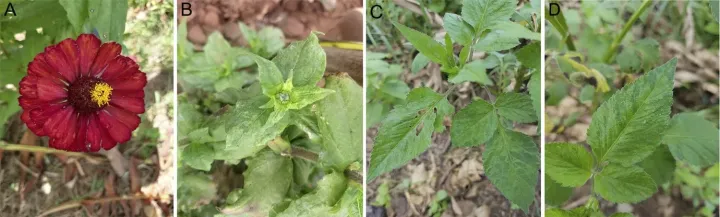
Description
Symptoms
The primary symptom of this disease is a characteristic mosaic pattern on leaves, manifesting as alternating light green and dark green areas. The leaf surface often becomes wrinkled, and general tissue yellowing, which may progress to chlorosis, is frequently observed.
Affected plants experience significantly stunted growth and development, leading to pronounced dwarfism. Internodes shorten, and the plant takes on a depressed appearance, which is particularly noticeable in seedlings and young specimens.
As the disease progresses, leaf margins may deform, curl downward, or take on a boat-like shape. Thinning of the leaf blade is often observed, and in severe cases, necrotic spots appear along the veins.
Flower stalks in ornamental crops, such as verbena, can become twisted and shortened, while buds develop incompletely or drop before blooming. This significantly reduces the decorative value of the plantings.
In head lettuce, viral infection leads to the formation of loose and underdeveloped heads, which lose their marketability and taste, rendering them unsuitable for retail and consumption.
Pathogen
The causative agent of the disease is the Bidens mottle virus (BiMoV), which belongs to the Potyvirus genus. It is a single-stranded RNA virus characterized by a high degree of specialization.
The virus is transmitted primarily through mechanical means and by specific aphid species, which act as living vectors while feeding on weeds and cultivated plants.
The main natural reservoirs of the infection are perennial and annual weeds, particularly species of the genus Bidens (beggarticks), from which the disease spreads to susceptible vegetable crops.
Virus virions are filamentous in shape, and their spread within plant tissues occurs systemically through the phloem, ensuring rapid infection of the entire organism once the pathogen enters.
The biology of the virus is closely tied to the life cycle of its insect vectors, meaning the intensity of disease outbreaks directly correlates with the population dynamics of aphids in the area.
Conditions for development
Disease development is most intense during periods of massive aphid reproduction, which facilitates the active transfer of the virus from weeds to cultivated plants throughout the growing season.
High humidity and moderately warm temperatures promote rapid increases in the number of insect vectors, triggering epiphytotic spread of the virus in fields and greenhouses.
A lack of systematic weed control near garden beds creates favorable conditions for the accumulation of viral reservoirs during the off-season and early primary infection.
Poor agricultural practices, such as overly dense plantings, help create a microclimate ideal for aphid colonization and rapid contact-based spread of the virus during plant maintenance.
Damage caused to plants during harvesting or weeding can serve as an entry point for the infection if plant sap residues from infected specimens are present on tools.
Why it matters
The primary damage lies in a sharp reduction in marketable yields: infected lettuce heads become small, loose, and lose density, making them unmarketable.
The virus causes systemic infection, which makes the plant physiologically weak and more susceptible to secondary bacterial and fungal infections, exacerbating the overall severity of the disease.
In ornamental floriculture, for instance with verbena infection, the decorative quality of plantings drops drastically, resulting in direct economic losses for nurseries and landscape designers.
Infected plants often produce no seeds or form seeds with low germination rates, which is critical for farms producing their own planting material.
The overall productivity of the agroecosystem declines as the virus disrupts photosynthesis and metabolic processes, forcing plant resources to be diverted to viral protein synthesis rather than biomass formation.
Protection
The main preventive method is thorough weed control, especially of Bidens and other Asteraceae family members, which serve as primary viral reservoirs during the spring.
It is necessary to conduct regular monitoring of aphid populations and apply insecticides at the first sign of colonization to break the chain of virus transmission from weeds to vegetable crops.
Using spatial isolation between production plantings and areas with high weed density is recommended to minimize the risk of virus introduction by insects.
Strict hygiene protocols should be followed: disinfecting garden tools after working with each plant or plot to prevent mechanical transmission of the virus via sap.
Roguing and immediate removal of all plants showing symptoms of mosaic from the field helps contain the further spread of the pathogen within a plot or greenhouse.
Pathogens and affected parts
Affects crops · 2
Discussion
No discussions yet — be the first.