
Asparagus lettuce
Lactuca sativa L. var. angustana L. H. Bailey
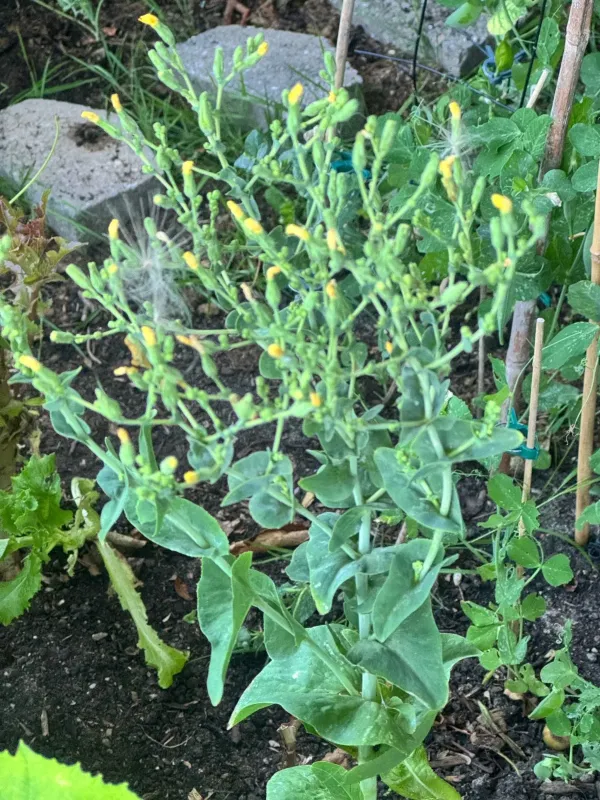
Description
Sowing dates
Asparagus lettuce, commonly known as celtuce, is typically sown in early spring or late summer. As a cool-season crop, it thrives in moderate temperatures, which helps in developing its signature succulent stems without early bolting.
Direct seeding into the soil or starting plants in trays is common. For direct sowing, place seeds about 1–1.5 cm deep. Since the seeds require light to germinate, it is crucial not to bury them too deeply in the substrate.
Optimal germination occurs between 15–18 degrees Celsius. If temperatures exceed this range, the seeds may enter dormancy, resulting in poor and uneven emergence, which affects the overall uniformity of the crop.
To ensure a continuous harvest throughout the season, practice succession planting by sowing new batches every 2–3 weeks. This strategy helps manage the crop lifecycle, preventing the stems from becoming woody or bitter.
Transplanting seedlings requires careful hardening off to prevent shock. Plants that are gradually exposed to outdoor conditions tend to establish better root systems and grow more vigorously once placed in their final garden spot.
Growing requirements
Asparagus lettuce is a member of the Asteraceae family. Unlike traditional leaf lettuce, this variety is prized primarily for its thickened, fleshy stem, which serves as the main culinary component of the plant.
The crop demands fertile, well-draining soil with a pH level between 6.0 and 7.0. Rich organic matter integration is highly recommended to support the rapid development of the stem during the vegetative phase.
Consistent moisture is vital for the crop. If the soil dries out frequently, the stem develops a tougher texture and a stronger, bitter flavor, making it less palatable for fresh consumption or culinary applications.
Full sun is essential for celtuce. While it tolerates partial shade, excessive lack of direct sunlight will lead to thin, spindly stems that lack the crunch and juiciness required for a high-quality product.
It is a cold-hardy vegetable capable of enduring light frosts. However, gardeners should aim to harvest before the onset of extreme summer heat, as high temperatures accelerate the bolting process, turning the plant inedible.
Yield
The yield of asparagus lettuce is highly dependent on spacing and soil fertility. With proper agricultural management, growers can expect approximately 3–4 kilograms of edible stems per square meter of cultivated land.
Harvesting should occur just before the plant begins to produce a flower stalk. At this peak maturity, the stem is at its most succulent, offering a unique texture that can be sliced, stir-fried, or pickled.
In the kitchen, the outer skin of the stem is peeled away to reveal the light green, crispy interior. It is a staple in various Asian cuisines, often valued for its mild, nutty flavor that complements different sauces.
While the leaves are also edible and high in vitamins, they are generally tougher than those of common lettuce varieties. They are best harvested at the microgreen or baby stage for raw salads or as a nutritious garnish.
As a specialized crop, celtuce has gained traction in artisanal markets. Its distinct appearance and culinary versatility make it an interesting addition for small-scale farmers looking to diversify their vegetable offerings.
Main diseases and pests
Root rot is a major threat, particularly in poorly drained soils or during periods of excessive rain. Proper soil preparation and raised beds can significantly mitigate this risk by ensuring adequate water drainage.
Powdery mildew often appears as a white, dusty layer on the leaves under conditions of high humidity and poor airflow. Managing plant density and ensuring good spacing between rows helps prevent the spread of this fungus.
Slugs and snails are the most common pests for celtuce. They are attracted to the succulent stems and can cause severe damage overnight. Using physical barriers or organic pest control is often necessary during early growth.
Aphids can cause significant damage not only by feeding on the plant but by transmitting viruses. These infections can lead to twisted, deformed stems that are not marketable, making early detection vital for crop health.
To keep the garden healthy, strictly avoid planting celtuce in areas where other Asteraceae members were grown recently. Practicing a multi-year crop rotation is the most effective way to prevent soil-borne pathogen buildup.