
Indian lettuce
Lactuca indica L.
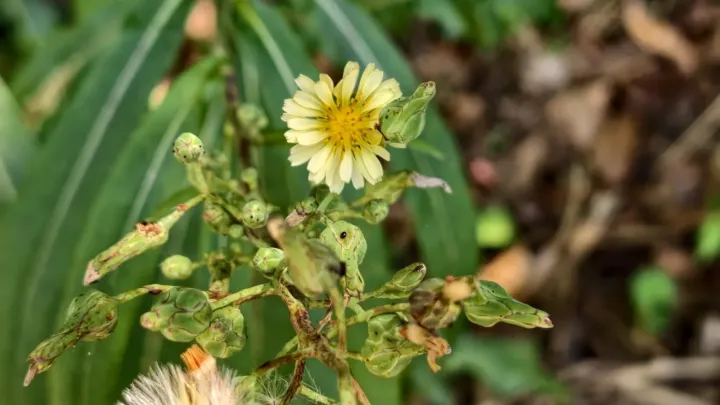
Description
Sowing dates
Indian lettuce is a perennial plant that is widely grown as an annual or biennial crop. Seeds are typically sown in early spring once the soil temperature consistently reaches 15–18 degrees Celsius.
For early production, seedlings can be started indoors in trays 4 to 6 weeks before the last frost. This ensures a healthy root system and faster establishment once transplanted into the field.
Proper spacing is crucial for this crop, with a recommended distance of 30–40 centimeters between plants. This spacing prevents overcrowding, which is essential for maximizing air circulation and plant health.
Succession planting every 2 to 3 weeks allows for a continuous harvest throughout the growing season. This method is highly recommended for small-scale market gardeners looking to maintain a steady supply.
The seeds have a relatively good shelf life, remaining viable for up to three years when stored in a cool, dark, and dry environment to preserve their germination potential.
Growing requirements
Indian lettuce thrives in well-drained, fertile loamy or sandy soils with a neutral pH. Incorporating organic matter, such as compost or well-rotted manure, prior to planting is highly beneficial.
The crop requires full sun exposure for optimal growth. However, in regions with very intense heat, partial shade during the hottest part of the day can help prevent the leaves from becoming bitter.
The ideal temperature range for this vegetable is between 20 and 25 degrees Celsius. Temperatures exceeding 30 degrees tend to trigger bolting, which causes the plant to produce a flower stalk prematurely.
Consistent moisture is key to the successful cultivation of Indian lettuce. Drip irrigation systems are the most effective way to maintain uniform soil moisture without wetting the leaves excessively.
Regular weeding and light cultivation of the soil surface are necessary to eliminate competition for nutrients and water, ensuring the crop has all the resources needed for vigorous leaf production.
Yield
Yield potential depends heavily on the chosen cultivation method and soil management. Under ideal conditions, producers can achieve up to 2–3 kilograms of leaf tissue per square meter per harvest cycle.
Nutrient management is essential for high yields. Applying balanced nitrogen-potassium fertilizers during the vegetative stage helps to boost leaf development and improves the overall quality of the greens.
The crop is highly valued for its regenerative capacity, allowing for multiple harvests. By picking outer leaves regularly, farmers can encourage the plant to continue producing new foliage for weeks.
Indoor or greenhouse production can significantly enhance yields and extend the growing season, allowing for the delivery of fresh greens even during off-peak times of the year.
Managing the plant density and ensuring optimal plant health from the seedling stage are the most critical factors in achieving consistent and high-quality harvest numbers throughout the season.
Main diseases and pests
Slugs and snails are the most common pests, particularly in damp conditions. Using organic barriers like crushed eggshells or copper tape can help protect the leaves from damage.
Aphids can infest the undersides of leaves, leading to stunted growth. Biological controls, such as introducing predatory insects or using neem oil sprays, are effective strategies for managing these pests.
Fungal issues such as powdery mildew may occur if air circulation is poor or if the foliage remains wet for extended periods. Pruning and wide spacing are the primary preventative measures.
Root rot can become an issue if the soil is waterlogged. Ensuring that the beds are well-drained and avoiding excessive watering are essential to maintain a healthy root system.
Crop rotation remains the best practice for preventing soil-borne pathogens. Avoid planting Indian lettuce in areas where other Asteraceae family members were grown in the previous season.
Harvesting
The harvest period typically begins 50 to 70 days after planting. The best time to harvest is in the early morning, which ensures the leaves are crisp and have high water content.
Leaves can be harvested individually or the entire plant can be cut at the base, depending on the market requirement. If harvesting individually, take care not to damage the crown of the plant.
Post-harvest handling is critical for quality retention. Leaves should be rinsed, cooled, and packed in ventilated containers to prevent wilting and maintain freshness during storage and transport.
Storage in a cold room at temperatures around 1–3 degrees Celsius will help preserve the shelf life of the harvested leaves for up to a week if properly packed and chilled.
For seed production, allow the most robust plants to develop flower stalks. Once the seeds have fully matured and the pods dry, collect them for cleaning and storage for the next season.