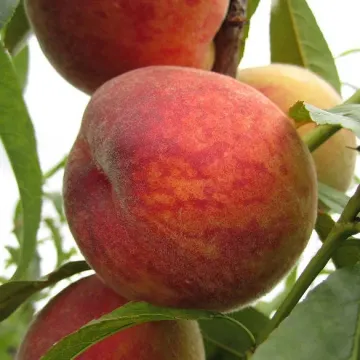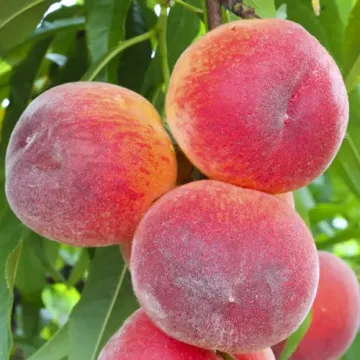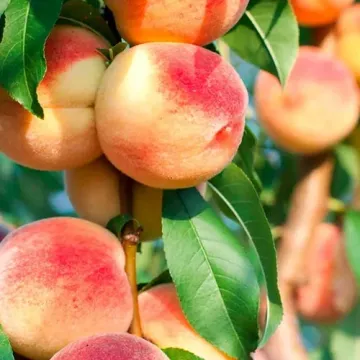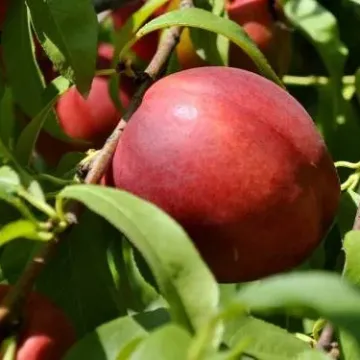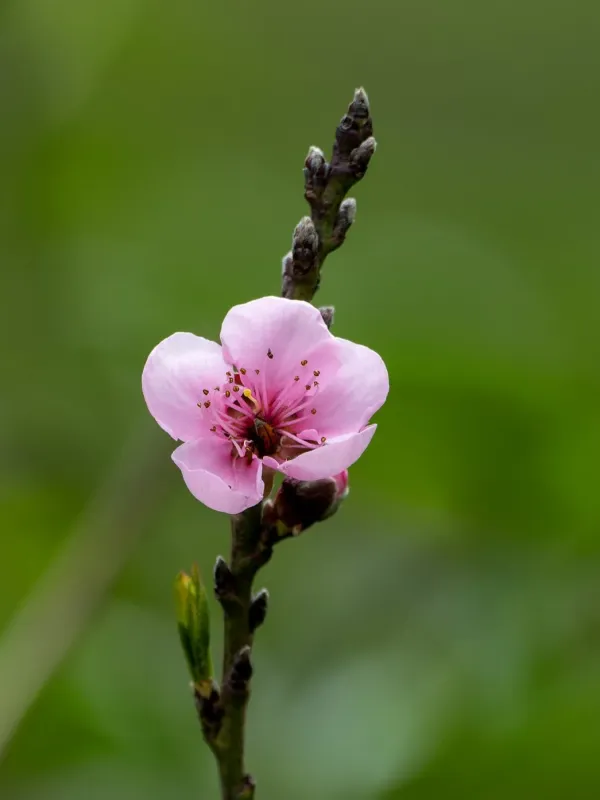
Description
Growing requirements
The peach (Prunus persica) is a deciduous tree belonging to the Rosaceae family. Originally from China, it is now widely cultivated in temperate and subtropical regions worldwide.
Peach trees require a significant amount of direct sunlight and high temperatures to thrive. They need a warm growing season to ensure proper sugar accumulation in the fruits and the formation of healthy fruit buds.
The ideal soil for peaches is well-draining, sandy loam with a slightly acidic to neutral pH. Proper soil structure is essential as the tree roots are highly sensitive to waterlogging and poor aeration.
A crucial part of peach agrotechnics is pruning. Training the tree into an open-center or vase shape is recommended to improve light penetration and air circulation throughout the canopy.
Water management is critical during the fruit development stage. While the trees need sufficient moisture to produce large fruit, overwatering or poor drainage can lead to root rot and other fungal diseases.
Yield
Peaches are highly valued for both fresh consumption and commercial processing, including canning, drying, and juice production. They are rich in vitamins, fiber, and potassium.
Yield varies significantly based on variety and climate conditions. Intensive orchard systems can produce between 20 and 40 metric tons per hectare under optimal management practices.
Most peach varieties begin producing fruit within 2 to 3 years after planting. The tree reaches its full maturity and peak production cycle between the 7th and 10th years of its life.
Thinning the fruit is a common horticultural practice to ensure high-quality yields. By removing excess young fruit, the tree can focus its energy on growing fewer, larger, and sweeter peaches.
With a wide variety of cultivars available, it is possible to harvest peaches from early summer through late autumn, depending on the climatic zone and specific ripening periods.
Main diseases and pests
Peaches are susceptible to a range of fungal and viral diseases that can jeopardize tree health. Common issues include monilinia (brown rot), which targets blossoms and branches, and leaf curl.
Other significant threats include alternaria, anthracnose, and verticillium wilt, all of which require proactive monitoring and integrated pest management strategies to keep the orchard healthy.
Specific cases of rhizoctonia, sclerotinia, and pink rot are also recorded. In some regions, the tomato mosaic virus can affect stone fruits, especially those growing near susceptible vegetable crops.
Control measures often involve a combination of chemical applications during critical dormancy periods and the growing season, alongside strict orchard sanitation to reduce inoculum sources.
- Pruning and destroying infected branches.
- Removing mummified fruit from the ground.
- Selecting disease-resistant cultivars.
Harvesting
Harvesting should be done carefully to prevent bruising. Fruit is ready for harvest when it reaches the desired firmness, color, and aroma typical for the specific variety.
For commercial distribution, peaches are typically picked when they reach "shipping ripe" stage—firm to the touch but developed in color—allowing them to mature properly during transport.
In brief
58
Crop diseases
Content graph
Crop diseases · 58
Alternaria leaf spotAnthracnoseApricot chlorotic leaf rollBark and wood groovingBlue moldCeratocystis cankerCercospora leaf spotCherry line pattern and leaf curlChlorotic spotCommon scabCrown gallCytospora cankerDark sunken spotFusarium rotFusarium wiltGilbertella rotGray moldLate blightLatent mosaic of peachLime-induced chlorosisMonilia blightMosaicMottleMucor rotMule's ear of peachMycosphaerella leaf spotNecrotic ringspotOil blotch of peachPeach asteroid spotPeach enationPeach leaf curlPeach purple mosaicPeach rosette mosaicPeach shoot stuntingPeach star mosaicPeach Tree Short LifePhomopsisPhymatotrichum root rotPink rotPlant phytoplasmaPlant RustPotato wartPowdery mildewPrunus necrotic ringspotRhizoctonia root rotRing nematodeRoot-knot nematodeSclerotinia rotSeedling chlorosisShothole diseaseSilver leafSour rotStubby twig diseaseStunt nematodeTomato mosaic virusVerticillium wiltWhite leaf spot of strawberryXiphinema
Content graph
Connections · Peach
Most often together:
Marketplace
Products · 114