
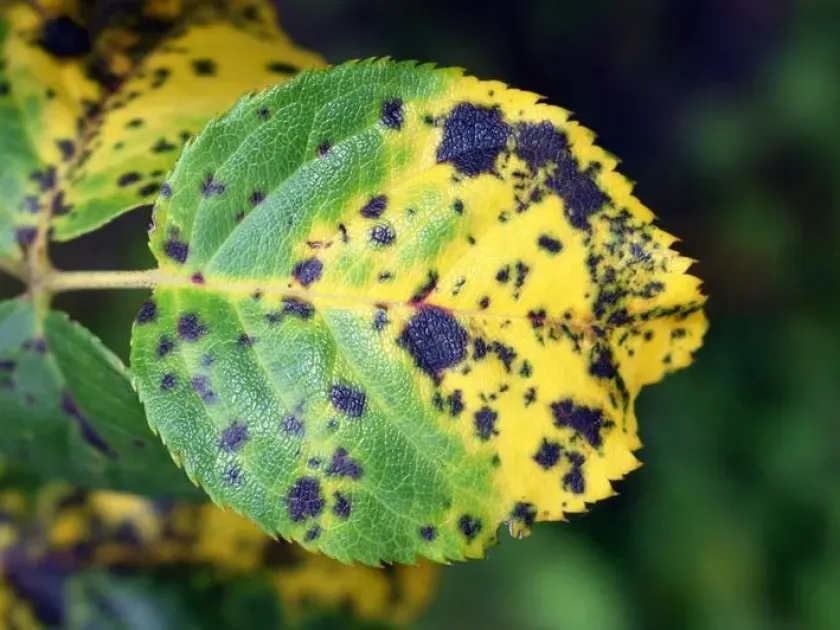
Description
Symptoms
The symptoms of the disease appear mainly on peach fruits during the ripening period. Small dark green spots emerge on the surface of the skin, which eventually become sunken.
In the center of the spots, fruit tissue often dies, turning brown or black. The skin in the affected areas loses elasticity and becomes deformed.
As the disease progresses, the spots may increase in diameter and merge, covering a significant area of the fruit. This gives the surface a pitted appearance.
When the fruit is cut in the area of the spot, browning of the flesh is observed at various depths. The affected areas become tough and fibrous, losing their juiciness.
Under high humidity conditions, a faint olive-colored fungal sporulation coating may appear on the surface of the affected spots. This is an important diagnostic sign for identifying the disease.
Pathogen
The causative agent of dark sunken spot is a fungus of the genus Cladosporium (most commonly Cladosporium carpophilum, which causes peach scab).
The fungus belongs to the Deuteromycetes. It is characterized by a high ability to rapidly form conidia, which are spread by wind and raindrops.
The pathogen is capable of maintaining viability as mycelium in affected branches, mummified fruits, and fallen leaves throughout the winter.
In spring, when favorable conditions occur, the mycelium activates and begins to produce conidia, which become the primary source of infection for young ovaries.
The fungus attacks mainly the epidermal tissues of fruits, using enzymatic systems to destroy cell walls and penetrate the intercellular space.
Conditions for development
The most favorable conditions for the intensive development of the infection are high relative air humidity, exceeding 80-90%.
Frequent rainfall during the period of ovary formation and fruit ripening contributes to the active germination of spores on the surface of the peach skin.
A temperature range from +18°C to +25°C is considered optimal for rapid spore germination and infection of fruit tissues.
Thickened tree crowns, where natural ventilation is impaired, create a local microclimate with increased humidity that triggers outbreaks of the disease.
The lack of sanitary pruning and the presence of old infected wood significantly increase the risk of disease spread in the orchard.
Why it matters
The main damage consists of a significant loss in the market quality of the fruits. Affected peaches become unsuitable for sale in the fresh market.
The disease provokes premature falling of ovaries, which leads to a significant decrease in yield and economic losses for the farm.
Deformed and sunken fruits are more susceptible to secondary infections by other rot-causing microorganisms during storage and transportation.
The damage to tissues disrupts the ripening processes, causing fruits to acquire an unpleasant taste and lose their variety-specific aroma.
Strong infestation over several seasons leads to a general weakening of the tree, reducing its winter hardiness and its ability to bear full fruit in subsequent years.
Protection
The main method of control is carrying out early spring and autumn preventive treatments with copper-based fungicides or modern systemic preparations.
It is necessary to strictly follow agrotechnical rules: carry out timely sanitary pruning to remove and destroy all affected shoots and mummified fruits.
It is important to maintain optimal crown density, ensuring free air circulation, which prevents moisture from accumulating inside the tree.
Adherence to the irrigation regime is recommended to eliminate moisture stagnation in the trunk circles and excessive humidity in the orchard.
- Use of resistant peach varieties.
- Collection and destruction of fallen leaves and fruits.
- Application of fungicide treatments before and after flowering.
- Control of nitrogen fertilizer levels to prevent excessive shoot growth.
Pathogens and affected parts
Affects crops · 1
Discussion
No discussions yet — be the first.