
Description
Symptoms
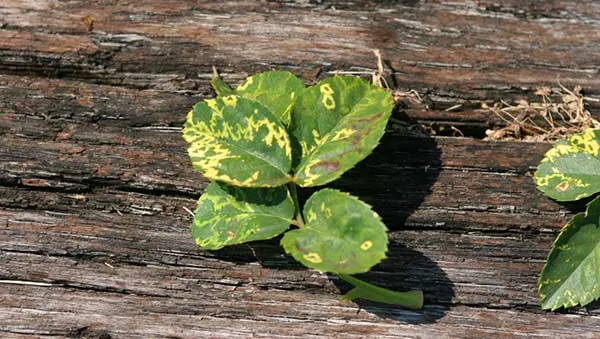
The characteristic symptoms of necrotic ringspot include the development of chlorotic spots on the foliage that eventually progress into distinct, dark necrotic rings.
As the disease advances, the necrotic tissues in the center of these spots often fall out, resulting in a shot-hole effect where the leaves appear riddled with tiny holes.
On stone fruits such as peaches, the infection can cause fruit deformation, pitted skin, and an overall reduction in the size and quality of the crop at harvest.
For rhododendrons, the disease manifests as irregular mosaic patterns on the leaves, accompanied by stunted growth and a significant decrease in the abundance of flowers.
In advanced cases, trees may experience dieback of branches, thinning of the canopy, and reduced growth rates, which eventually lead to the total collapse of the plant.
Pathogen
Necrotic ringspot is a viral plant disease caused primarily by the Prunus necrotic ringspot virus (PNRSV), which belongs to the genus Ilarvirus.
This virus has a very broad host range and is particularly devastating to stone fruit trees, including peaches, cherries, and plums, as well as ornamentals like rhododendrons and berries like cranberries.
The virus acts systemically, spreading through the phloem of the host plant and affecting its metabolic processes, which leads to long-term decline and poor vigor.
It is predominantly transmitted through infected propagating material, such as cuttings or rootstocks, as well as through pollen transfer by insects during the bloom period.
Due to its ability to persist in a latent state, many plants can carry the pathogen for years without showing obvious symptoms, acting as silent reservoirs for the virus.
Conditions for development
The spread of the necrotic ringspot virus is highly dependent on spring temperatures, which facilitate rapid viral multiplication and movement within the host tissues.
Pollination activities in the orchard or nursery provide the perfect opportunity for the virus to travel between flowers, spreading the infection to otherwise healthy specimens.
Inadequate sanitation practices during pruning are a major factor in the disease's development, as contaminated blades can easily transfer the virus from one tree to another.
Environmental stress, such as drought or poor soil nutrition, can weaken the plant's natural defenses, making it more susceptible to the onset of the viral symptoms.
Proximity to wild plants that belong to the Rosaceae family increases the risk of infection, as these wild species often harbor the virus and facilitate its transmission.
Why it matters
The harm caused by necrotic ringspot is substantial, as it significantly impacts the economic viability of orchards and nurseries due to reduced yields and inferior fruit quality.
Plants affected by this virus are consistently less productive, producing fewer fruits and exhibiting slower development compared to healthy counterparts under identical conditions.
The chronic nature of the disease means that once a specimen is infected, it remains a permanent source of inoculum, eventually requiring total removal to protect the surrounding crop.
Increased susceptibility to secondary pathogens and climate-related damage (like winter injury) significantly shortens the lifespan of trees and shrubs infected with the virus.
Large-scale nursery losses occur when batches of young stock are found to be contaminated, leading to mandatory culling of plants and loss of investment for growers.
Protection
Since there are no chemical pesticides that can cure a plant once it has been infected with a virus, strict preventative measures are the only way to manage this disease.
Growers should prioritize the use of virus-indexed, certified disease-free nursery stock to ensure the long-term health of their orchards or landscape plantings.
Regular monitoring of plants for any suspicious foliage symptoms is critical, and any infected specimen should be promptly rogued out and destroyed to prevent further spread.
Implementing rigorous tool sanitation procedures, such as dipping pruning tools in disinfectant between each individual plant, is an essential step in maintaining a healthy environment.
- Source certified virus-free seedlings and budwood.
- Implement strict sanitation for pruning tools using isopropyl alcohol.
- Maintain a buffer zone between older trees and new plantings.
- Control weeds and potential insect vectors that might harbor the virus.
Pathogens and affected parts
Affects crops · 3
Discussion
No discussions yet — be the first.