

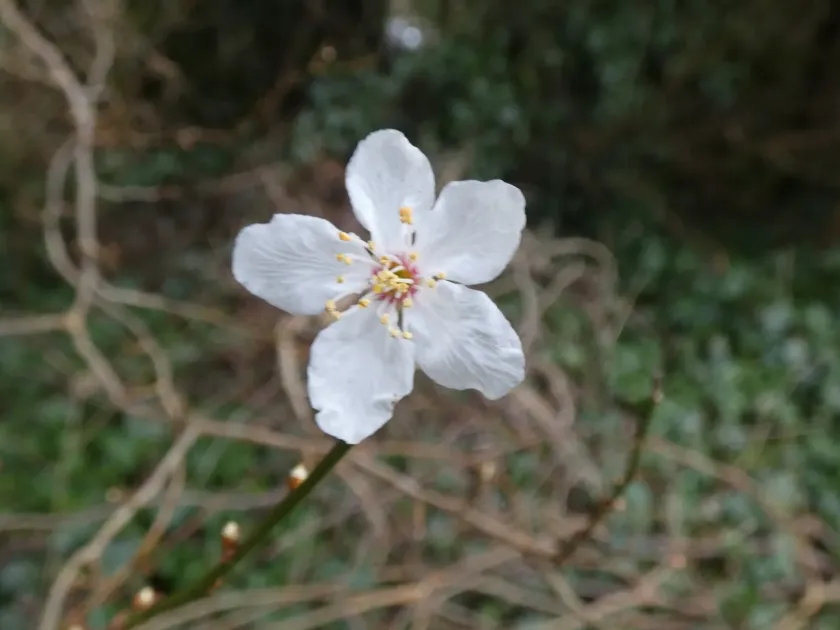
Description
Growing requirements
The cherry plum, scientifically known as Prunus cerasifera Ehrh., is a member of the Rosaceae family. It is a hardy tree or large shrub native to Eurasia, widely recognized for its adaptability to various soil types and climates.
This species thrives in sunny, well-drained locations with protection from strong winds. Although the tree is drought-tolerant once established, supplemental irrigation during the fruit-set period is crucial to ensure optimal fruit size and quality.
Cherry plums are generally cross-pollinating, requiring at least two compatible varieties planted in close proximity to ensure successful fruit production. The soil should be fertile and neutral, although the plant displays remarkable resilience on slightly acidic or alkaline ground.
Agricultural management requires regular pruning to maintain an open canopy, which promotes better airflow and sunlight penetration. Proper shaping prevents branch overcrowding and helps the tree focus energy on producing large, healthy yields each season.
Propagation is typically achieved through grafting or budding onto vigorous rootstocks, including other plum varieties or seedling cherry plum. This ensures the retention of desirable fruit traits and promotes faster maturation of the tree.
Yield
The yield of a mature cherry plum tree is exceptionally high, often surpassing that of traditional plum varieties. A well-maintained tree can produce between 30 and 50 kilograms of fruit annually, depending on the specific cultivar and environmental conditions.
The tree typically enters its productive phase early, often within 2 to 3 years after planting. This rapid growth cycle makes cherry plum an excellent choice for both commercial orchards and backyard garden setups.
Regular fertilization with nitrogen in early spring and potassium in late summer is essential to support the tree’s high productive demand. Nutrient balance is key to preventing biennial bearing and maintaining overall tree vigor.
Thinning the fruit load during bumper crop years is highly recommended. This practice prevents structural damage to heavy branches and significantly improves the quality, sugar content, and market value of the remaining harvest.
Effective pollination is the primary driver of high yields. Planting pollinator-friendly shrubs or maintaining nearby bee habitats can significantly improve fruit set, especially during springs with variable weather conditions.
Main diseases and pests
Common diseases affecting cherry plum trees include shot-hole fungus (Clasterosporium) and brown rot (Monilinia). These pathogens target foliage and developing fruit, necessitating early spring fungicide treatments to protect the tree’s health.
The plum fruit moth is the most significant pest. Its larvae tunnel into the fruit, causing premature drop and rot. Monitoring and control through integrated pest management techniques, such as pheromone traps, are essential for organic and conventional orchards alike.
Regular sanitary pruning to remove dead or diseased branches is a fundamental practice. Removing sources of infection helps reduce the spore load in the orchard environment and prevents the spread of pathogens during the growing season.
Aphids can also cause significant damage by colonizing tender new shoots. Natural predators like ladybugs are usually sufficient in a balanced ecosystem, but localized outbreaks may require the use of insecticidal soaps to maintain tree health.
Maintaining orchard hygiene by clearing fallen fruit and debris is a critical step in breaking the life cycle of overwintering pests and pathogens. This simple practice significantly lowers the risk of disease recurrence the following year.
Harvesting
Harvesting cherry plums should be timed based on the intended use. Fruit meant for fresh consumption should be picked when they reach their full characteristic color and soft texture, whereas processing fruit can be picked slightly firmer.
Manual picking is preferred to prevent skin damage. Handling the fruit gently and using shallow containers for collection helps maintain the integrity of the harvest and prevents premature bruising or subsequent fungal growth.
If harvesting for commercial transport, picking fruit with the stem attached can significantly extend shelf life. Quick cooling after harvest is also vital to reduce field heat and maintain the fruit’s internal quality during storage.
Mechanical harvesting is viable for large-scale operations focused on juice or sauce production. Shakers are used to drop the fruit onto collection frames, which are designed to minimize physical impact and maintain high processing standards.
Sorting harvested fruit is the final critical step. Removing any damaged or diseased specimens immediately ensures that the remaining healthy produce remains fresh and extends the overall marketability of the entire crop batch.
Content graph
Connections · Cherry plum
Most often together:
Marketplace
Products · 50


