
Description
Symptoms
The main feature of this disease is reflected in its name: "latent" means a hidden, asymptomatic progression of the infection. Infected peach trees often show no outward signs for an extended period.
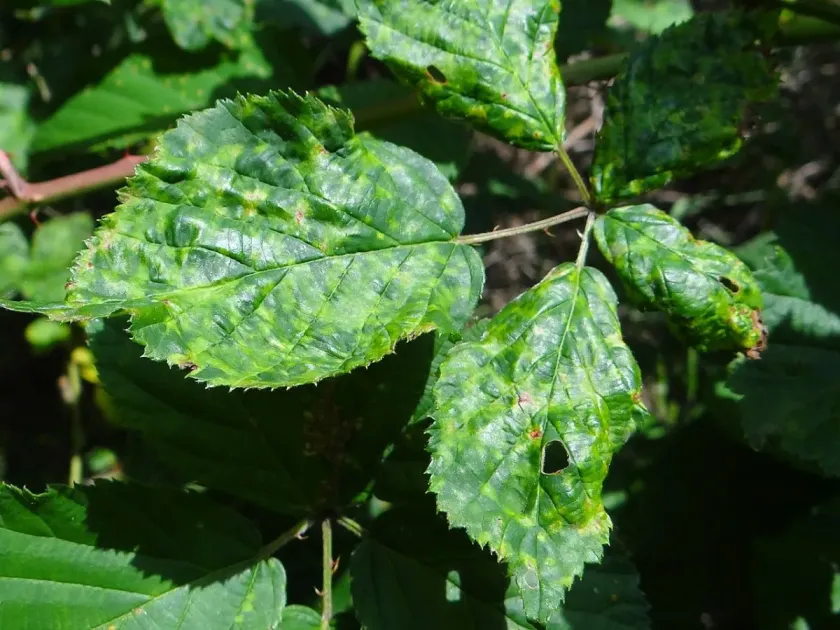
In some cases, leaves may display subtle chlorotic spots or mild mottling, which are easily mistaken for micronutrient deficiencies or environmental stress.
Symptoms become more visible only under specific weather conditions or on particularly susceptible peach cultivars, making early detection a significant challenge.
Affected plants experience a decrease in photosynthetic activity, which manifests visually as a general decline in vigor or stunted vegetative growth.
Visual inspection is generally insufficient for a definitive diagnosis; laboratory testing, such as ELISA or PCR analysis, is required for accurate identification.
Pathogen
The pathogen responsible for latent mosaic is a virus affecting stone fruits, belonging to the group of mosaic-inducing viruses.
The virus is characterized by high persistence within plant tissues, gradually spreading throughout the vascular system of the entire tree.
Infection is primarily spread through the use of contaminated scion material during the budding or grafting process in commercial nurseries.
Mechanical transmission is also a significant factor, as the virus can be spread by pruning tools if proper disinfection protocols are not strictly followed.
Natural vectors, including certain species of insects and soil-borne nematodes, can transmit the virus from infected to healthy trees in the orchard.
Conditions for development
The development of the virus within peach tissues is directly related to the overall physiological health of the plant and the orchard environment.
Optimal conditions for viral multiplication and movement occur when sap flow is most active during the growing season.
Stress factors, such as drought, waterlogging, or severe temperature fluctuations, can trigger more pronounced symptoms of the latent infection.
High-density plantings and poor orchard floor management facilitate faster spread of the pathogen via root systems and vector activity.
Weeds within the orchard serve as reservoirs for insect vectors, which then carry the virus to healthy peach trees.
Why it matters
The primary economic harm from latent mosaic is the gradual exhaustion of trees, leading to a significant reduction in overall yield.
Viral infection negatively impacts fruit quality, resulting in smaller size, poorer flavor, and a loss of marketability.
Chronic infection shortens the productive lifespan of a peach orchard, necessitating premature removal and replacement of trees.
Infected plants exhibit reduced cold hardiness, which frequently leads to winter kill during extreme temperature drops.
The disease causes substantial financial losses for nurseries, as infected stock loses certification and becomes unfit for commercial sale.
Protection
The key management strategy is the use of disease-free, certified nursery stock obtained through thermotherapy or meristem culture techniques.
Strict quarantine measures for imported budwood and saplings are essential to prevent the introduction of the virus to new areas.
- Regular disinfection of pruning tools with alcohol or chlorine solutions between individual trees.
- Systematic control of insect vectors and soil-borne nematodes within the orchard environment.
- Rogueing and complete destruction of all confirmed infected trees, including stump removal.
Timely agricultural practices that support tree immunity, such as balanced fertilization and proper irrigation, help mitigate the risk of disease spread.
Constant monitoring and scouting for symptomatic trees allow for the early identification and isolation of infection hotspots before they spread.
Pathogens and affected parts
Affects crops · 1
Discussion
No discussions yet — be the first.