
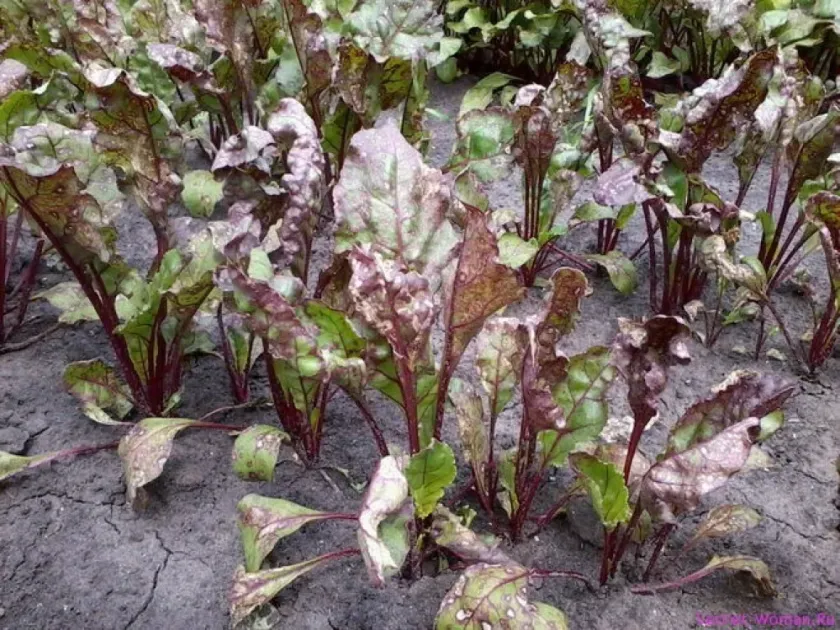
Description
Symptoms
The hallmark of Peach purple mosaic is the development of a distinct mosaic pattern on the leaves. These patterns often start as small light-green patches that eventually transition into deep purple or violet discoloration.
The discoloration often follows the leaf veins, creating a web-like or mosaic effect. In some cases, the leaves may show distortion, crinkling, or become asymmetrical as they grow.
Symptoms are typically more pronounced during the mid-to-late summer months when temperatures are optimal for the pathogen's activity. As the season progresses, infected leaves may drop prematurely, leading to canopy thinning.
Infected trees often exhibit stunting, with shortened internodes on new shoots. This results in a bushy or stunted appearance of the twigs, which is a classic indicator of severe systemic stress.
Fruit quality is severely impacted by the virus. Affected peaches are often small, misshapen, and may show surface irregularities or poor coloration, rendering them unsuitable for the fresh market.
Pathogen
Peach purple mosaic is a significant viral or phytoplasma-borne disease affecting stone fruit trees, particularly peaches. The pathogen colonizes the phloem, causing systemic infection that disrupts the movement of nutrients throughout the tree.
The disease is primarily transmitted by insect vectors such as aphids and leafhoppers. These insects feed on infected phloem sap and subsequently transfer the viral particles to healthy trees during their next feeding session.
Transmission can also occur through vegetative propagation. Using scion wood or rootstocks taken from asymptomatic or infected parent trees is a common way the disease spreads within commercial nurseries.
The biological nature of the pathogen allows it to survive within the host tree for many years, progressively weakening it. Unlike fungal diseases, there are no chemical sprays that can cure a tree once it has become systemically infected.
The spread of the virus within an orchard is linked to the density of the vector population, making vector control an essential part of the overall disease management strategy.
Why it matters
The primary economic impact of Peach purple mosaic is a sustained decline in orchard productivity. Infected trees yield smaller, lower-quality crops and eventually cease producing commercial quantities of fruit.
The chronic stress caused by the virus makes trees significantly more susceptible to other biotic stresses, such as secondary pests, and abiotic factors like winter freeze damage or sunscald.
The disease spreads over time, creating patches of declining trees. Replacing infected trees requires significant labor and financial investment, particularly if the infection is widespread across an orchard block.
Beyond the direct yield loss, the presence of the disease limits the marketability of the fruit and may lead to quarantine restrictions on the sale of nursery stock from affected regions.
Ultimately, the disease leads to the premature decline and death of the trees, significantly reducing the lifespan and return on investment of a peach orchard.
Protection
Management of Peach purple mosaic relies heavily on prevention and strict phytosanitary practices. The most important step is to source high-quality, virus-indexed, and certified disease-free nursery stock for new plantings.
Control of insect vectors is crucial. An integrated pest management (IPM) program should be implemented to monitor and suppress populations of aphids, leafhoppers, and other sap-sucking insects that serve as vectors.
Infected trees must be identified early and removed from the orchard. Complete removal, including the root system, is necessary to ensure that the virus cannot persist in suckers or roots and spread to neighbors.
Strict sanitation protocols for pruning tools should be followed. Tools should be disinfected between trees to prevent the mechanical transmission of the pathogen through contaminated sap.
- Conduct regular visual inspections for mosaic symptoms during the growing season.
- Eliminate weeds in and around the orchard that might host vectors.
- Use certified virus-tested propagation material only.
- Implement proactive insecticide schedules based on vector monitoring.
Pathogens and affected parts
Affects crops · 1
Discussion
No discussions yet — be the first.