
Description
Symptoms
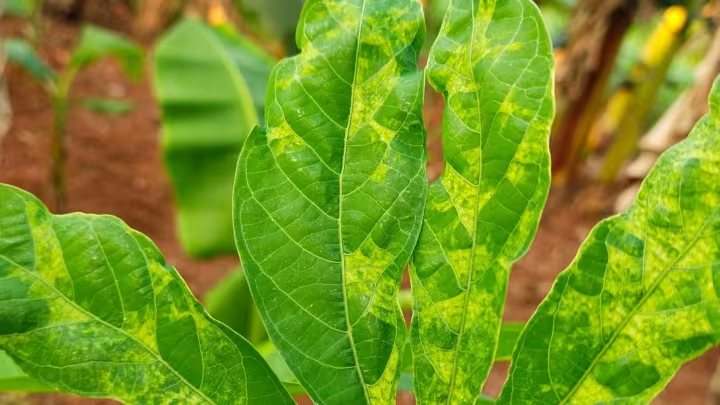
The characteristic symptom of the disease is the appearance of star-shaped, chlorotic patterns on the peach leaves, which give the condition its name.
These mosaic-like spots often have light green or yellowish hues and tend to manifest more clearly during the active spring growth period.
In addition to mosaic patterns, leaves may exhibit distortion or irregular shapes, leading to an overall reduction in canopy health.
Symptom expression can vary depending on the specific cultivar, with some trees showing severe leaf chlorosis and others presenting milder, harder-to-detect spots.
Stunting of growth and reduced vigor are frequently observed in trees that have been chronically infected with the virus for several years.
Pathogen
The causative agent of this disease is the Peach star mosaic virus, which belongs to the group of systemic viral pathogens affecting Prunus species.
This virus colonizes the phloem tissues of the host plant, resulting in a systemic infection that impacts the overall physiology of the peach tree.
The pathogen is highly persistent, meaning that once a tree is infected, it remains a permanent host throughout its entire lifespan.
Transmission mainly occurs via infected grafting wood or budwood, which is the primary route for the spread of the disease in commercial orchards.
Mechanical transmission via pruning tools is also a significant risk factor if proper disinfection protocols are not strictly followed.
Conditions for development
The primary factor facilitating the spread of Peach star mosaic is the use of non-certified or poorly screened propagation material.
Young orchards are particularly vulnerable when large batches of seedlings are sourced from nurseries that lack strict phytosanitary virus testing programs.
Environmental factors do not stop the virus, but they can influence the visibility of the symptoms, often making them more pronounced during vigorous growth.
Inadequate tool hygiene during pruning operations significantly increases the probability of transferring the virus from infected to healthy trees.
Since the virus is systemic, it persists regardless of seasonal changes, meaning the orchard remains at risk as long as infected trees are present.
Why it matters
The economic impact of this disease is substantial, primarily due to the loss of tree vigor and a decline in overall fruit productivity.
Infected trees typically produce fewer and smaller fruits, which often lack the sugar content and appearance required for commercial market standards.
Viral infection suppresses the tree's natural defenses, making it more susceptible to secondary environmental stresses, pests, and opportunistic pathogens.
Eventually, the cumulative effect of the disease leads to the decline and premature death of the peach trees, forcing growers to remove entire orchard blocks.
Overall profitability is reduced due to decreased yields and the increased costs associated with managing a sickly orchard population.
Protection
The cornerstone of control is the exclusive use of certified virus-free budwood and rootstock obtained from reputable and monitored nurseries.
Rigorous routine monitoring of the orchard is essential to identify symptomatic trees early, allowing for their prompt removal to reduce viral load.
Sanitation practices, specifically the disinfection of pruning tools with alcohol or appropriate chemical agents, are critical to prevent mechanical spread.
Infected trees identified during inspections must be rogued out and destroyed to prevent them from serving as a reservoir for further infection.
Because there is no chemical cure for viral plant diseases, management must be focused entirely on strict exclusion and preventative phytosanitary measures.
Pathogens and affected parts
Affects crops · 1
Discussion
No discussions yet — be the first.