
Flowering almond
Prunus glandulosa Thunb.
Description
Sowing dates
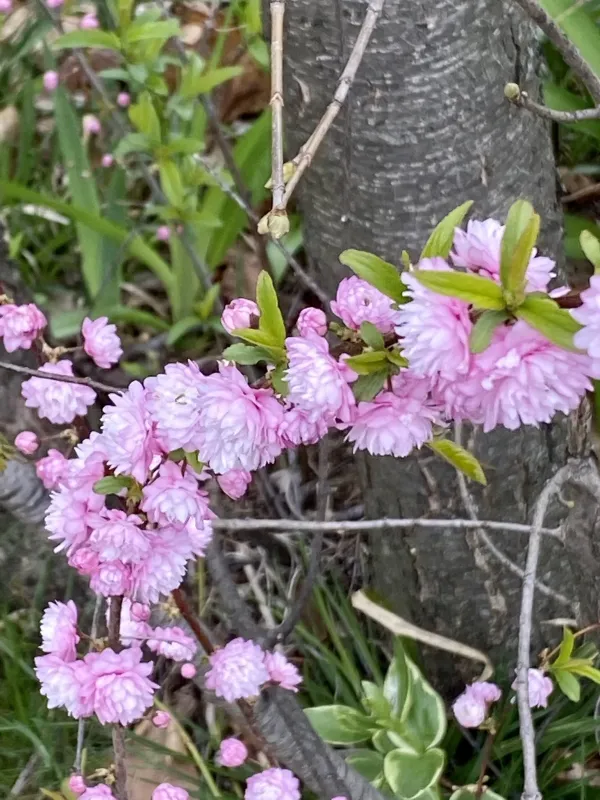
Prunus glandulosa, commonly known as the dwarf flowering almond, is an ornamental shrub in the Rosaceae family. Native to East Asia, it is highly valued for its profuse display of pink or white blossoms that appear in early spring along its slender branches.
The propagation of this shrub is typically carried out through softwood cuttings taken in early summer. Using a rooting hormone and placing the cuttings in a humid, shaded environment significantly increases the success rate of propagation.
Layering is another reliable method for home gardeners. By pinning a low-hanging branch to the soil, the plant develops a root system, after which the new plantlet can be separated from the parent shrub and transplanted.
When selecting a planting site, choose a location with well-draining soil and exposure to full sun. The plant requires at least six hours of direct sunlight daily to produce a vigorous display of flowers in the following season.
Spring is the ideal time for planting. Ensure the root ball is placed at the same depth it grew in the nursery, and apply a layer of organic mulch around the base to retain soil moisture and suppress competition from weeds.
Growing requirements
The shrub thrives in fertile, loamy soils with a neutral to slightly alkaline pH. If the soil is too acidic, amending it with agricultural lime is recommended to ensure optimal nutrient uptake and general plant health.
Watering should be consistent throughout the growing season. While established plants show some tolerance to short dry spells, supplemental irrigation is necessary during prolonged heat to maintain turgidity and prevent leaf drop.
Annual pruning is a critical aspect of the maintenance of Prunus glandulosa. Pruning should be performed immediately after the flowering period to encourage the growth of new, healthy shoots that will bear flowers next spring.
Fertilization with a balanced NPK fertilizer in the early spring, just as buds begin to swell, supports the rapid growth phase. Avoid excessive nitrogen late in the season, as it promotes soft growth that is prone to winter injury.
The plant is hardy in moderate climates but may require protection in regions with harsh, drying winter winds. Wrapping the main branches or providing a windbreak can prevent tip dieback during extremely cold spells.
Main diseases and pests
Common health issues include fungal diseases like Monilinia (brown rot), which causes blossoms and twigs to wilt and die. Effective control involves removing and destroying infected plant material immediately upon detection.
Aphids are frequent pests that congregate on the succulent growth of young shoots. Washing the leaves with a strong stream of water or applying horticultural soap usually controls small populations without harming beneficial insects.
Root rot can occur in heavy, waterlogged soils. Ensuring excellent drainage through soil amendment or raised beds is the most effective preventative measure against this systemic and often fatal condition.
Leaf spot diseases can also impact the appearance of the shrub. Using fungicides as a preventative measure during periods of high humidity and rainfall can help maintain foliage health throughout the summer.
To ensure long-term vitality, maintain clear space around the base of the shrub to ensure good air circulation. This reduces the risk of foliar fungal pathogens and creates a healthier environment for the plant overall.