
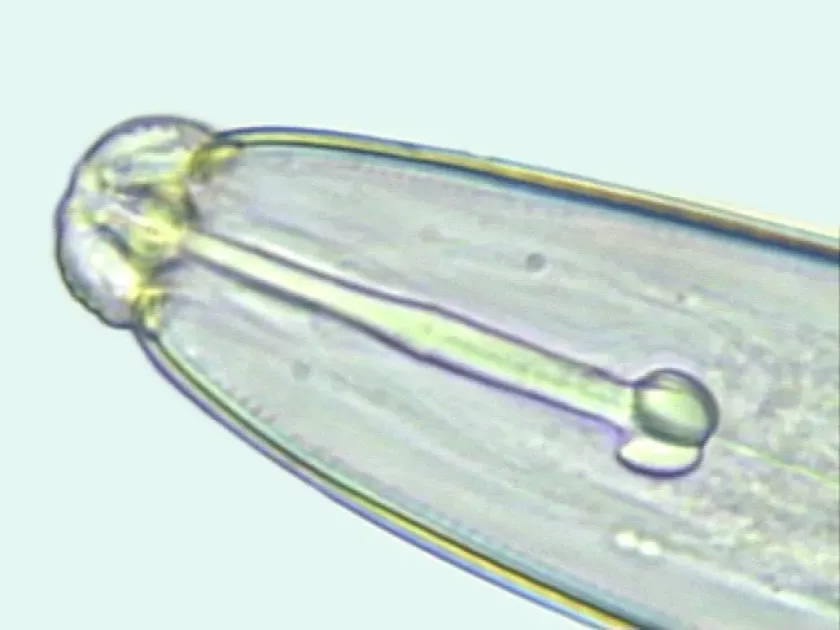
Description
Symptoms
The primary symptom of an infestation is general plant decline, characterized by stunted growth, leaf chlorosis, and premature wilting. Often, these symptoms are mistaken for nutrient deficiencies, but fertilizer applications fail to improve the plant's condition.
Root systems appear damaged, with distinct necrotic spots, swelling, and root tip necrosis. These wounds provide entry points for secondary pathogens like fungi and bacteria, further accelerating the decline of the plant.
In woody perennials such as citrus and apple trees, symptoms include bark thickening and decreased yield. Over time, the tree's overall vigor is compromised, leading to premature tree loss in infested orchards.
Viral symptoms associated with nematode feeding are particularly severe, including ring spot patterns, leaf deformation, and mosaic patterns on leaves and fruits, which significantly reduce the marketable quality of the produce.
Field infestation typically appears in patchy distributions, where affected plants in specific areas show reduced vigor while surrounding plants may appear healthy, reflecting the localized movement of the nematodes in the soil.
Pathogen
Xiphinema (Xiphinema spp.), commonly known as the dagger nematode, is a genus of plant-parasitic nematodes. They are ectoparasites that feed on plant roots from the outside using a long, needle-like stylet to penetrate the cell walls.
These nematodes cause direct damage to the root system and are notorious for being vectors of several devastating plant viruses, including nepoviruses. The interaction between the nematode and the virus transmission makes them a significant threat to global agriculture.
The life cycle of Xiphinema involves several juvenile stages and an adult stage. They reproduce slowly, and females deposit eggs into the soil, creating a persistent population that is difficult to eradicate using conventional farming methods.
A wide range of crops are susceptible to these pests, including celery, citrus, soybeans, hops, and apples. Other economically important crops such as Indian mango, alfalfa, and almonds are also frequently infested.
Because they can persist in the soil for years and have a very wide host range, Xiphinema species are regarded as primary targets for quarantine and integrated pest management (IPM) programs worldwide.
Conditions for development
Xiphinema development is highly dependent on soil texture and moisture levels. They thrive in loose, well-aerated sandy or sandy-loam soils that allow for easy movement between soil particles.
Optimal temperatures for their metabolic activity range from 15 to 25 degrees Celsius. While extreme drought or flooding can limit their activity, they are resilient and can survive in the soil even under adverse conditions for long periods.
The spread of these nematodes occurs primarily through contaminated nursery stock, soil movement by farm machinery, and runoff water during irrigation, allowing them to colonize new fields easily.
The presence of weeds in or near the field can sustain nematode populations during fallow periods, providing a continuous food source and allowing the infestation to persist until the next crop is planted.
Continuous cropping of susceptible plants creates an ideal environment for population buildup, as the absence of crop rotation ensures the nematode has a constant supply of root systems to parasitize.
Why it matters
The economic harm caused by Xiphinema is twofold: direct feeding damage that stunts growth and the transmission of viruses that permanently affect crop quality and productivity.
In orchards and plantations, infestation can lead to significant yield losses, often requiring the total removal of trees or vines. For high-value crops like almonds or hops, this represents a major financial loss for farmers.
Root damage severely impairs the plant's ability to take up water and essential nutrients. This makes the plants highly vulnerable to secondary stressors such as heat waves or water shortages, which are particularly damaging to crops like celery.
The presence of these nematodes can lead to trade restrictions, as many countries classify certain Xiphinema species as quarantine pests, preventing the export of infested plant materials.
Remediation of heavily infested soil is both expensive and technically challenging, often requiring intensive soil fumigation or extended fallow periods that negatively impact the overall profitability of the farming enterprise.
Protection
The first line of defense is the use of certified, nematode-free nursery stock. Strict quarantine protocols are essential to prevent the introduction of these pests into clean, uninfested fields.
Crop rotation incorporating non-host plants or specific cover crops (such as oilseed radish) can help reduce nematode populations in the soil by disrupting their life cycle or through biological suppression.
Chemical control involving soil fumigation is an effective but strictly regulated practice due to the potential impact on soil health and environmental toxicity. It is generally used only as a last resort in high-value commercial production.
Thermal treatment or steam sterilization of soil is a viable method for greenhouse production, allowing for the effective elimination of nematodes before planting new crops in previously infested areas.
Sanitation practices, such as thoroughly cleaning farm machinery and tools between fields, are critical to prevent the mechanical transfer of infested soil, which is a common vector for spreading Xiphinema.
Pathogens and affected parts
Affects crops · 13
Discussion
No discussions yet — be the first.