Hexoran
Жеджианг Хебен Пестисайд енд Кемікалс Ко., Лтд., Китай
Insecticides
0
0
·
48
2 offers
84.36 €per 1 l
Buy
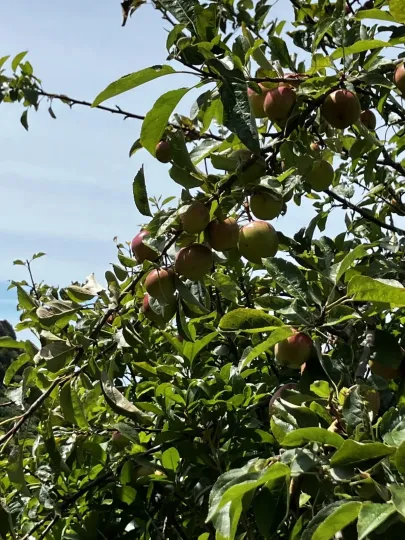
The domestic apple (Malus domestica) is a member of the Rosaceae family and stands as one of the most significant agricultural crops globally. It thrives in well-lit areas with fertile, well-draining soils that maintain optimal moisture levels while preventing waterlogging, which is essential for root health.
The tree requires a temperate climate to reach its full productive potential, preferring cool winters and moderate summers. Most modern varieties are adapted to varying degrees of cold, making them suitable for widespread cultivation across diverse geographical zones within the temperate latitude.
Agricultural management is centered around pruning techniques that maintain tree architecture, ensuring light penetration to the canopy center. This approach not only stimulates consistent yields but also keeps the tree structure open to prevent the buildup of excess humidity and pathogen development.
Soil nutrient management involves the careful application of organic and mineral fertilizers based on periodic soil testing. Maintaining a balanced nutrient profile supports the vigorous vegetative growth and reproductive development necessary for high-quality fruit production throughout the tree's lifespan.
Botanical characteristics of the apple include simple leaves, hermaphroditic flowers, and a complex root system. The tree relies on insect pollination, which makes the presence of pollinator-friendly environments in or near the orchard a critical factor for success in fruit set.
The productivity of an apple orchard is influenced by rootstock selection, density of planting, and the management of biological and environmental stressors. In high-density modern systems, growers can achieve optimized yields per hectare through precise irrigation and fertilization protocols.
Apples are susceptible to several significant pathogens, including Monilinia (brown rot) and Alternaria leaf spot, which can severely impact fruit quality. Proactive management involves removing infected debris and applying fungicides during critical stages of tree development to reduce disease pressure.
Pests represent a persistent challenge, with species such as the apple weevil (Coenorrhinus aequatus) capable of causing widespread damage to developing buds and fruit. Implementing an integrated pest management (IPM) strategy helps mitigate these risks while maintaining ecological balance.
White rot and various fungal diseases can affect both the tree's vascular system and its root structure, often exacerbated by improper irrigation. Maintaining good drainage and aeration in the soil is fundamental to preventing these root-related health issues in high-yield orchards.
Monitoring the orchard for early signs of infestation by midges or moths is essential for applying timely interventions. Prevention through canopy thinning and sanitation remains the most cost-effective approach to keeping the tree healthy and reducing the need for chemical treatments.
Genetic resistance is an increasingly important factor in selecting cultivars to reduce the overall burden of disease management. Combining resistant varieties with rigorous cultural practices ensures a sustainable and productive orchard that remains healthy across multiple growing seasons.
Harvest timing is a critical agricultural practice that determines the storage potential and nutritional quality of the fruit. Growers must track maturity indicators to pick the apples at the optimal stage, ensuring that the fruit remains marketable and fresh during long-term storage.