
Description
Symptoms
Blossom blight is often the first observable symptom. Infected flowers suddenly wilt, turn brown, and die, remaining attached to the spur. This is frequently mistaken for frost damage.
Infected twigs often develop cankers, which are necrotic areas on the bark. These cankers can eventually girdle the twig, causing everything above the point of infection to die back.
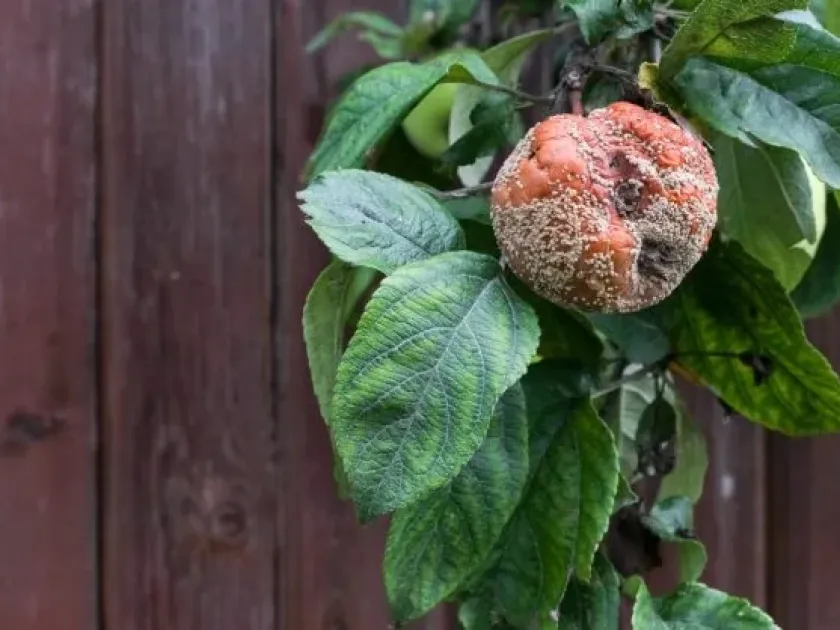
Fruit rot begins as small, firm, circular brown spots. These spots expand rapidly, eventually covering the entire fruit. The flesh becomes soft and watery, losing all quality.
Tufts of grey or buff-colored spores appear in concentric circles on the surface of the rotting fruit. These spore masses are the primary mechanism for the secondary spread of the disease.
- Rapid wilting and browning of blossoms.
- Necrotic cankers on twigs and small branches.
- Expansive brown decay spots on maturing fruit.
- Development of grey, dusty spore cushions on fruit surfaces.
- Mummified, shriveled fruit remaining on the tree.
Pathogen
Brown rot is caused by fungi of the genus Monilinia, primarily Monilinia fructigena, Monilinia laxa, and Monilinia fructicola. These pathogens are highly destructive to various pome and stone fruit species.
These fungi are ascomycetes that overwinter as mycelium in mummified fruit, twig cankers, or bark crevices. They are highly efficient at surviving harsh conditions until the favorable spring weather arrives.
When temperatures rise and moisture is present, the fungus produces conidia (spores) that are dispersed by wind, splashing rain, and insect activity. They primarily infect through blossoms, wounds, or direct contact.
The infection process is rapid. Once the fungus enters the host tissue, it secretes enzymes that break down plant cell walls, leading to soft rot and tissue collapse.
Different species of Monilinia may dominate depending on the region and the host plant, but all share the common ability to cause both blossom blight and fruit decay.
Conditions for development
Brown rot thrives in environments characterized by high humidity, frequent rain, and moderate temperatures. The infection period is most critical during the flowering stage.
Temperatures between 15°C and 25°C are ideal for fungal growth. Prolonged periods of wet weather ensure that spores have enough moisture to germinate and penetrate the host tissue.
During summer, the risk increases as fruit ripens and sugar content rises, making it more susceptible to infection. High humidity and poor air circulation in the tree canopy facilitate rapid spread.
Physical injuries to the fruit skin, caused by insects (such as codling moths), hail, birds, or mechanical handling, provide easy entry points for the fungus to initiate rot.
Lack of orchard sanitation, specifically leaving mummified fruits on trees or on the ground, creates a massive reservoir of inoculum that guarantees early and severe infections next season.
Why it matters
The economic impact of brown rot is severe, as it can result in total crop loss if left uncontrolled. It reduces both the quantity and the quality of marketable fruit.
Blossom blight reduces fruit set, significantly lowering the overall yield of the tree. The loss of foliage and twigs caused by cankers can further weaken the tree's vigor over time.
Infected fruit is completely unsuitable for fresh consumption or storage. Brown rot spreads rapidly in storage facilities, leading to the destruction of entire bins of harvested produce.
Continuous infection cycles lead to increased costs associated with frequent fungicide applications, labor for pruning, and sanitation efforts, impacting the profitability of the orchard.
Furthermore, the presence of rot can facilitate the growth of other post-harvest pathogens, increasing the risk of contamination and further reducing the post-harvest shelf life of the fruit.
Protection
Strict orchard sanitation is the foundation of management. This includes the systematic removal of all mummified fruit from trees and the ground, as well as pruning out all cankered branches.
Pruning should be performed to open up the canopy, which improves sunlight penetration and air circulation. This reduces the time the tree remains wet after rain, making it harder for spores to germinate.
Chemical control programs often involve fungicide sprays applied during the "pink bud" stage, at full bloom, and at intervals during fruit development if weather conditions are favorable for disease.
Effective management of insect pests is crucial, as they create wounds that allow the fungus to infect fruit. Integrated Pest Management (IPM) practices help reduce the need for constant chemical intervention.
Choosing resistant cultivars where available and ensuring appropriate orchard layout are essential long-term strategies to maintain orchard health and reduce reliance on chemical inputs.
Pathogens and affected parts
Affects crops · 1
Discussion
No discussions yet — be the first.