
Hupeh crabapple
Malus hupehensis (Pamp.) Rehder
Description
Growing requirements
The Hupeh crabapple (Malus hupehensis) belongs to the Rosaceae family. Native to the mountain regions of Central and Western China, it is highly regarded for its aesthetic value, featuring elegant branches that bloom prolifically each spring.
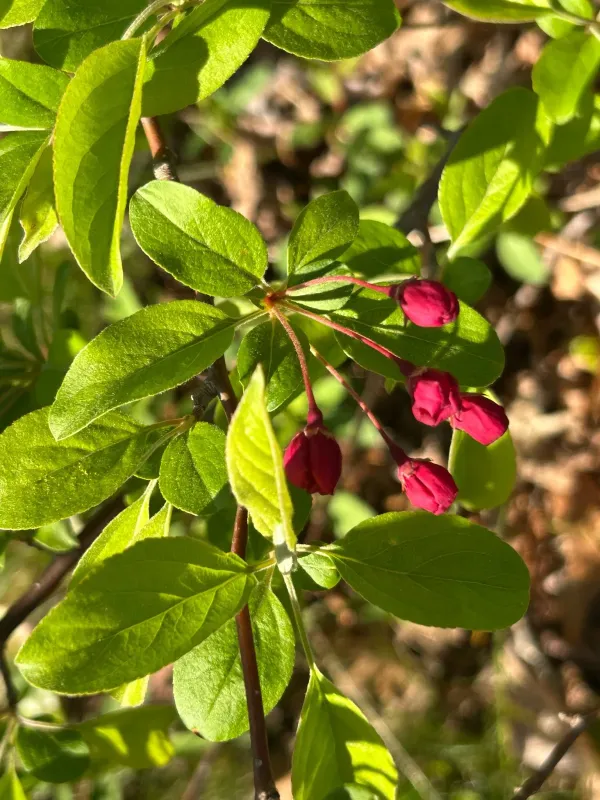
This tree typically grows to a height of 8 meters, developing a graceful, rounded crown. Its leaves are ovate-lanceolate with a sharp point, while the flowers are initially pink in bud, turning pure white upon opening, creating a striking visual contrast.
Regarding climate and soil, the tree thrives in sunny locations with deep, fertile, and well-drained soil. It is known for its remarkable hardiness, allowing it to adapt to various soil types, provided they are not waterlogged, which can be detrimental to root health.
Agricultural management involves regular pruning to maintain the crown's shape and to ensure proper air circulation, which is vital for the tree's overall vigor. Mulching the root zone helps conserve moisture and maintain stable soil temperatures, especially during hot summer months.
In terms of хозяйственное usage, Malus hupehensis is widely valued as a rootstock in apple production. Its ability to provide robust support and its good compatibility with various cultivars make it an essential resource for fruit tree breeders and nurseries.
Main diseases and pests
Hupeh crabapple can be susceptible to common apple diseases such as apple scab and fire blight. These pathogens can significantly affect foliage and shoot growth, particularly in seasons with high humidity and poor air circulation within the tree's canopy.
Pests including aphids and various leaf-eating caterpillars can pose a threat, particularly to younger specimens. Early monitoring during the spring growth flush is essential to implement control measures before significant damage occurs.
Proper sanitation practices, such as the removal and destruction of fallen leaves and infected branches, are crucial for disease prevention. This helps disrupt the life cycles of many fungal pathogens that overwinter in plant debris.
Using integrated pest management strategies helps maintain a healthy balance. The selection of resistant cultivars or ensuring the tree is planted in optimal site conditions significantly reduces the frequency and severity of infestations.
Regular maintenance, including balanced fertilization and proper irrigation during dry spells, enhances the tree's resistance. A well-nourished tree is significantly more resilient to environmental stressors, reducing its susceptibility to pests and diseases over time.