
Description
Symptoms
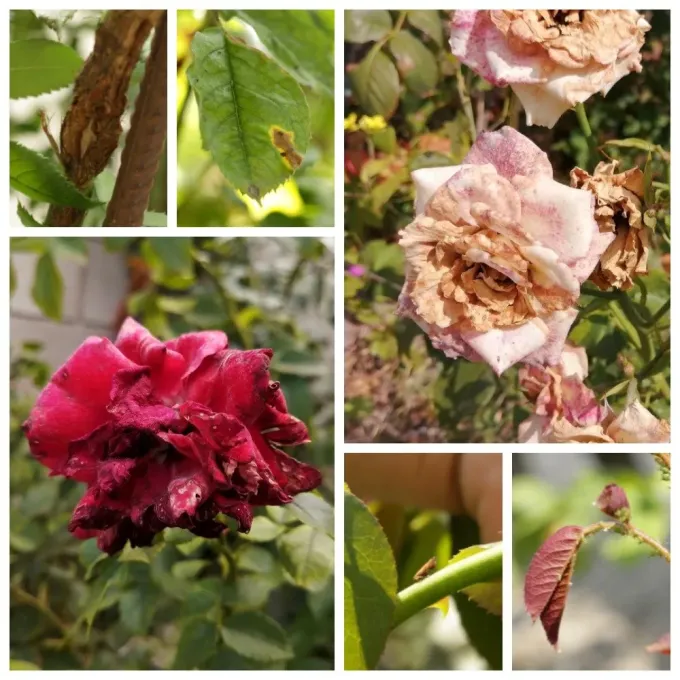
The main symptom is the appearance of characteristic necrotic spots on the bark of apple trunks and branches, which darken and sink over time.
In the necrosis zone, the bark turns brown and gradually cracks, exposing the wood and leading to the formation of ulcers of various sizes.
In fruits, the infection manifests as a specific rot: the apple skin darkens, becomes leathery, and develops small black dots, which are the fungus pycnidia.
Affected bark areas may turn purple or brown, and in severe cases, circular tissue necrosis can lead to the death of the entire branch.
During early stages, the necrosis often mimics other diseases, but microscopic examination of pycnidia allows for the precise identification of Diapleella coniothyrium.
Pathogen
The disease is caused by the fungus Diapleella coniothyrium (formerly known as Coniothyrium fuckelii). It is a pathogenic ascomycete fungus belonging to a group causing necrotic-ulcerative diseases in woody plants.
The pathogen's life cycle involves the formation of pycnidia, specialized structures containing conidia that disperse via rain droplets, wind, or insects.
The fungus can persist for long periods in infected plant debris, bark, and fallen mummified fruits. It shows high adaptability to various environmental conditions.
Primary infection usually occurs through wounds, bark cracks, pest damage, or natural plant openings.
The pathogen activates in the cambial layer, gradually spreading through the peripheral tissues, which disrupts the normal sap flow within the plant.
Conditions for development
The development of Diplodia necrosis is promoted by high humidity and moderate temperatures common during the spring and summer periods.
Weakened plants, suffering from nutrient deficiencies or environmental stress (drought or frost), are the most susceptible to infection.
Mechanical damage to the bark is a critical dispersal factor, as the fungus is a facultative parasite that prefers damaged plant tissues.
Poor agricultural practices, including dense planting and lack of sanitary pruning, create a microclimate with stagnant air, which is ideal for spore germination.
The spread of infection in the orchard is often intensified by a lack of pest control, as insects damage the integrity of the tree's outer tissues.
Why it matters
The harm caused by this disease manifests as the gradual drying out of individual branches and, in advanced cases, the total death of the fruit tree.
Fruit infection makes the harvest unsuitable for long-term storage or sale, leading to significant losses in marketable apple quality.
The disease depletes plant resources, reducing winter hardiness and the ability to produce fruit buds for the following season.
Due to the long latent development period, control measures are often implemented too late, which complicates the recovery of the plantation.
The infectious background in an affected orchard persists for years, requiring significant expenses for regular sanitary maintenance and chemical treatments.
Protection
The key method of control is timely sanitary pruning and the destruction (burning) of infected branches and mummified fruits.
It is necessary to conduct regular disinfection of cuts and pruning wounds using garden varnish or antiseptic pastes based on fungicides.
Ensuring balanced mineral nutrition is vital, while avoiding excess nitrogen fertilizers that promote loose tissue growth vulnerable to fungal attacks.
Applying preventive copper-based fungicide sprays during dormancy and post-flowering periods significantly suppresses pathogen development.
To prevent the spread of infection, effective orchard pest management is required to maintain the integrity of the tree bark.
Pathogens and affected parts
Affects crops · 1
Discussion
No discussions yet — be the first.