
Plum-leaved apple
Malus prunifolia (Willd.) Borkh.
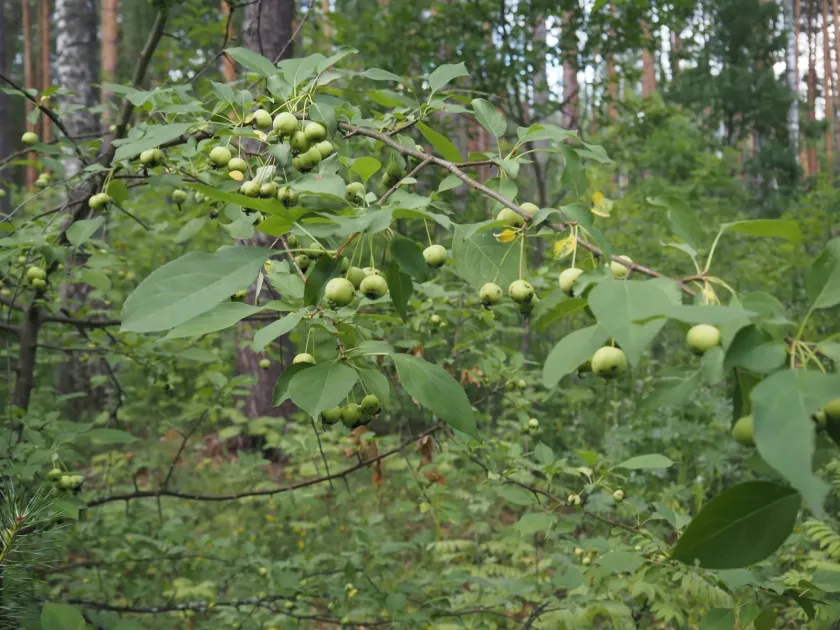
Description
Growing requirements
The plum-leaved apple, known scientifically as Malus prunifolia, is a highly resilient member of the Rosaceae family. It is widely recognized for its extreme cold hardiness and ability to thrive in challenging environmental conditions where other varieties fail.
Optimal growth is achieved in sunny locations with well-drained, fertile, loamy soils. While the tree shows significant adaptability to different soil types, it requires protection from waterlogged conditions to prevent root rot and ensure healthy development.
In its juvenile stage, the tree requires consistent watering to establish a strong root system. Once mature, Malus prunifolia exhibits remarkable drought tolerance, making it a low-maintenance choice for many orchards.
Pruning is an essential aspect of its management. By maintaining an open crown, growers can ensure adequate airflow and light penetration, which are crucial for reducing the risk of disease and promoting fruit production.
Due to its genetic robustness, this species is frequently employed as a hardy rootstock. Grafting cultivated varieties onto plum-leaved apple stock improves the overall vigor, longevity, and cold resistance of the resulting trees.
Yield
The fruit of the plum-leaved apple is typically small, often round or slightly elongated. They feature a waxy skin that ranges in color from bright yellow to deep red, providing a visually appealing appearance.
This tree is known for its consistent and high yield. Trees generally begin to bear fruit within 3 to 5 years of planting, making them a productive addition to both private gardens and commercial landscapes.
The flesh of the fruit is dense with a balanced sweet-and-sour flavor profile. It is highly valued for its nutrient content, being rich in pectins, vitamins, and organic acids, which are beneficial for dietary purposes.
In terms of food processing, these fruits are excellent for jams, preserves, jellies, and traditional beverages. Their high pectin content ensures a perfect set for homemade preserves without the need for synthetic additives.
The aesthetic value of Malus prunifolia is significant. During the spring bloom, the tree is covered in clusters of white or pinkish flowers, and in autumn, the colorful fruit remains on the branches, adding visual interest to the garden.
Main diseases and pests
Common diseases affecting Malus prunifolia include apple scab and powdery mildew. These fungal pathogens are particularly problematic in damp, humid conditions, affecting both the foliage and the overall health of the tree.
The codling moth is the primary insect pest, as its larvae can severely damage the fruit. Integrated pest management, including the use of traps and timely orchard cleaning, is essential to minimize harvest losses.
Aphids can also pose a threat to young shoots during the early stages of the growing season. Early detection and the application of mild insecticidal soaps are usually sufficient to control infestations before they spread.
Maintaining orchard hygiene is the best preventive strategy. This includes the regular removal of fallen leaves and infected fruit, which serves to disrupt the lifecycle of pests and pathogens during the winter season.
Strengthening the tree's health through proper fertilization, specifically with balanced potassium and phosphorus levels, enhances its natural resistance to environmental stress and potential pest pressure.