Weed · affects Common sunflower, Fodder beet, Potato
Especially harmful
Volunteer cereals
Description
How to tell it apart
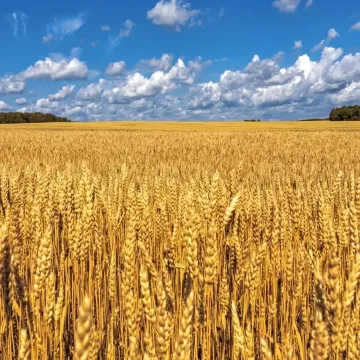
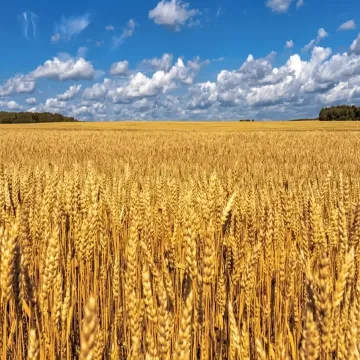
Cereal regrowth, also known as volunteer cereals, consists of germinated seeds from previous cereal crops such as wheat, barley, rye, or oats that remain in the field after harvest. They belong to the Poaceae family.
Botanically, these are not a separate species but rather the same cultivated crops appearing as weeds. Because they share the exact genetic traits of the previous crop, they are difficult to distinguish in the early stages.
The primary driver of cereal regrowth is harvest loss. If a significant amount of grain is left on the soil surface due to machinery inefficiency or poor timing, it will germinate as soon as environmental conditions allow.
These plants emerge in irregular patterns across the field, disrupting the density and organization of the intended crop. This irregular emergence is a key indicator for identifying the presence of regrowth in a production field.
They are highly adapted to the local environment and are capable of rapid establishment, often outcompeting the intended crop for space and resources during the critical early growth phases.
Where it grows
Cereal regrowth is found in all major cereal-producing regions globally. It is particularly problematic in systems where cereal crops are grown in close rotation or where management practices allow for high seed carryover.
It thrives in broadleaf crop fields, including canola, sunflowers, and sugar beets. In these environments, the lack of competition from other grasses allows the volunteer cereals to dominate the field area quickly.
Fields managed under no-till or reduced-tillage systems are at higher risk. Since seeds are left on or near the soil surface, they germinate easily with minimal moisture, leading to significant regrowth density.
Environmental conditions, specifically early autumn rains, trigger rapid germination. The plants establish themselves alongside the main crop, effectively becoming one of the most stubborn weed issues in modern farming.
In regions with mild winters, regrowth can overwinter, continuing its development and competition with the main crop well into the spring season, complicating management efforts significantly.
Harm it causes
The primary damage caused by volunteer cereals is the intense competition for water, nutrients, and sunlight. This resource depletion leads to stunted growth and reduced yields for the intended crop.
Cereal regrowth acts as a "green bridge" for pests and diseases. It hosts various pathogens, including root rots, powdery mildew, and rusts, which can then spread to the healthy, newly planted crops.
Pests such as aphids and cereal flies are frequently found on regrowth. These pests are notorious carriers of viral diseases that can cause severe plant stunting and long-term production losses across the entire field.
Harvest quality is significantly compromised by regrowth. The presence of seeds from previous seasons or different varieties reduces grain purity, potentially lowering the product's grade and market value.
Economically, the presence of these weeds leads to increased operational costs due to the need for additional herbicide applications and slower harvesting speeds caused by crop contamination.
How to control
Effective management begins with reducing harvest losses. Optimizing combine settings and choosing the right harvest time are essential steps in preventing the dispersal of grains that lead to future regrowth.
Shallow cultivation (stubble tillage) immediately after harvest is a standard agronomic practice. It encourages seeds to germinate, allowing the grower to eliminate them before sowing the next crop.
- Application of selective graminicides in broadleaf crop stands.
- Implementing long-term crop rotation to break the weed-pest cycle.
- Using competitive crop cultivars that can suppress volunteer seedlings.
- Applying herbicides at early growth stages (2-4 leaves) for maximum efficacy.
For chemical control, timing is critical. It is most effective to treat regrowth while the plants are in their early vegetative stages, before they have developed deep root systems or reached reproductive phases.
Integrated management, including both mechanical and chemical control, is necessary to minimize the impact of volunteer cereals. Using a diversity of herbicides is also advised to prevent the development of resistant weed populations.
Reference
Connections · Volunteer cereals
Most often together:
Marketplace
Products · 47


Glyphogold
F.A.GAN Chemical Manufacturers Ltd. Israel, member
Herbicides
0
0
1 offer
8.8 €per pack
Buy






Napalm, RK (Glyphosate isopropylamine salt, 480 g/l)
Hangzhou Ruijiang Chemical Co.
Herbicides
0
0
7 offers
3.03 €per 1 l
Buy