
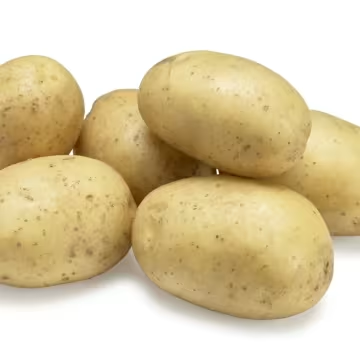
Description
Symptoms
Symptoms of rot manifest as tissue softening, loss of turgor, and discoloration. Affected areas are often covered with mycelium or spores, the color of which depends on the pathogen.
Depending on the location, these are categorized into root, stem, fruit, and dry rots. Tissues become dark, water-soaked, and in severe cases, emit a distinct unpleasant odor.
Root symptoms include thinning, browning, or complete disintegration of the vascular system. Above-ground parts wilt, turn yellow, and eventually die off, leading to total plant failure.
In fruits and vegetables, rot is characterized by depressed spots that spread rapidly. Surface growth of fungal mycelium is a common diagnostic feature for many species.
Many rot pathogens form specialized resting structures like sclerotia, which allow them to persist in the soil or crop debris for long periods under unfavorable conditions.
Pathogen
Rots are a group of polyetiological diseases caused by various fungi, bacteria, and sometimes oomycetes. They can range from highly host-specific to broad-spectrum polyphages.
Fungal agents such as Fusarium, Pythium, Rhizoctonia, Sclerotinia, and Botrytis are common. Each utilizes different strategies to penetrate host tissues.
Bacterial rots are caused by genera like Pectobacterium, Pseudomonas, or Erwinia. They produce enzymes that break down cell wall components, turning tissue into a watery mass.
Oomycetes like Phytophthora are major drivers of rapid-onset rot, particularly thriving in moisture-rich environments. They are especially destructive to root systems and developing fruits.
Infection usually occurs through natural openings (stomata), mechanical wounds, or via direct enzymatic degradation of the plant's outer epidermis.
Conditions for development
Excessive soil or air moisture is the primary driver for rot development. High humidity levels create a perfect environment for spore germination and bacterial multiplication.
Temperature plays a critical role as well; moderate temperatures combined with fluctuations can weaken plant defenses, making them more susceptible to infectious attacks.
High planting density and poor air circulation create stagnant microclimates with elevated humidity. This prevents surface drying, facilitating rapid colonization by pathogens.
Mechanical damage caused by pests, hail, or agricultural machinery creates open entry points for infection, significantly accelerating the spread of rot diseases.
Continuous cropping (monoculture) leads to a buildup of inoculum in the soil, which increases the disease pressure on crops in subsequent growing seasons.
Why it matters
Rots cause massive economic losses, starting with seedling damping-off. This leads to reduced stand density and often necessitates field replanting.
During the vegetative stage, the disease affects vascular transport, causing premature wilting and a significant reduction in overall plant biomass and yield potential.
Infection of reproductive organs (fruits, bulbs, roots) renders the harvest unmarketable. Such produce loses shelf life and is unsuitable for storage or long-distance transport.
Many rot pathogens produce mycotoxins, which are dangerous metabolic byproducts. These can make the harvested produce unsafe for both human and animal consumption.
The cumulative harm includes lower marketable yields, increased costs for fungicide applications, and significant post-harvest losses during storage.
Protection
The cornerstone of rot management is strict crop rotation. Avoiding host plants on the same site for at least 3–4 years helps interrupt the pathogen's life cycle in the soil.
Using certified, high-quality, and treated seeds is essential. Fungicidal seed treatments provide initial protection against early-season root rot and damping-off.
Proper soil drainage and avoiding over-irrigation are vital. Balanced fertilization, particularly with potassium, enhances the plant's natural resistance to infection.
Effective pest control minimizes mechanical tissue damage, thereby reducing entry sites for pathogens. Prompt removal of crop residue is also critical to eliminate overwintering sites.
During the growing season, systemic and contact fungicides are applied as needed. Selection depends on the specific pathogen identity and the current environmental disease pressure.
Reference
Connections · Rots
Most often together:
Marketplace
Products · 5316
All 5316
Sunflower 1356
Corn 631
Sugar Beet 509
Wheat 430
Tomato 417
Cucumber 304
Onion 230
Potato 181
Fungicides 142
Pea 140
Barley 136
Pepper 90




















Vitavax 200 FF
Crompton (Uniroyal Chemical) Registration Limited
Fungicides
1
0
17 offers
5.37 €per 1 l
Buy




Community
Discussion
No discussions yet — be the first.