
Description
Symptoms
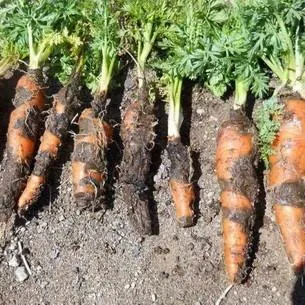
The most distinctive sign of the disease is a violet or reddish-purple mat of mycelium covering the root surfaces.
Affected tissues begin to soften and darken, eventually turning into a pulpy, rotten mass that emits a characteristic odor.
Plants affected by the fungus exhibit sudden wilting, stunted growth, and yellowing of the leaves due to impaired nutrient uptake.
Underground root systems may show localized areas of necrosis and complete destruction of the outer root bark.
In the field, infected areas often appear as patches of declining vegetation that gradually enlarge throughout the growing season.
Pathogen
The causative agent of this disease is the fungus Helicobasidium brebissonii, which belongs to the basidiomycetes group.
This fungus is a soil-borne pathogen that persists in the environment as mycelium or sclerotia-like structures on plant debris.
The pathogen is characterized by the formation of violet-colored hyphae that encircle the roots of susceptible plants, leading to decay.
It has a wide host range, including sugar beet, sweet potato, apple trees, alfalfa, cocoa, red clover, and elm trees.
Infection is primarily spread through soil cultivation, contaminated tools, irrigation water, and the movement of infested plant material.
Conditions for development
High soil moisture is the primary condition promoting the growth and spread of Helicobasidium brebissonii.
The disease thrives in heavy, poorly drained soils where stagnant water limits oxygen availability to the plant roots.
Acidic soil conditions (low pH) are highly conducive to the pathogen's establishment and its ability to infect host plants.
Temperatures ranging between 15°C and 25°C provide an ideal environment for the rapid colonization of roots by the fungal hyphae.
Poor agricultural practices, such as lack of crop rotation and insufficient soil aeration, further exacerbate the risk of infection.
Why it matters
The economic impact of violet root rot is significant due to total yield losses in heavily infested areas.
Infected roots are unfit for human consumption or animal feed and pose a risk of contaminating healthy produce during storage.
The persistence of the fungus in the soil makes it difficult to return to growing high-value crops for many years.
Damage to permanent crops like orchards can lead to tree decline and the necessity for early removal and replanting.
Reduced quality of the harvest leads to decreased marketability and financial losses for agricultural producers.
Protection
Effective management requires a long crop rotation cycle, avoiding susceptible species for at least 5 to 7 years in infested soil.
Liming the soil to increase pH levels is an essential agronomic practice to create conditions unfavorable for the fungus.
Improving field drainage is critical to prevent waterlogging, which is a major driver of root rot outbreaks.
Strict sanitation measures, such as cleaning equipment and removing infected plant debris, help prevent the spread of the pathogen.
- Deep plowing to bury infested residues
- Use of fungicide seed treatments
- Monitoring fields for early signs of wilting
- Avoiding excessive irrigation in poorly drained soils
Pathogens and affected parts
Affects crops · 7
Discussion
No discussions yet — be the first.