
Description
Symptoms
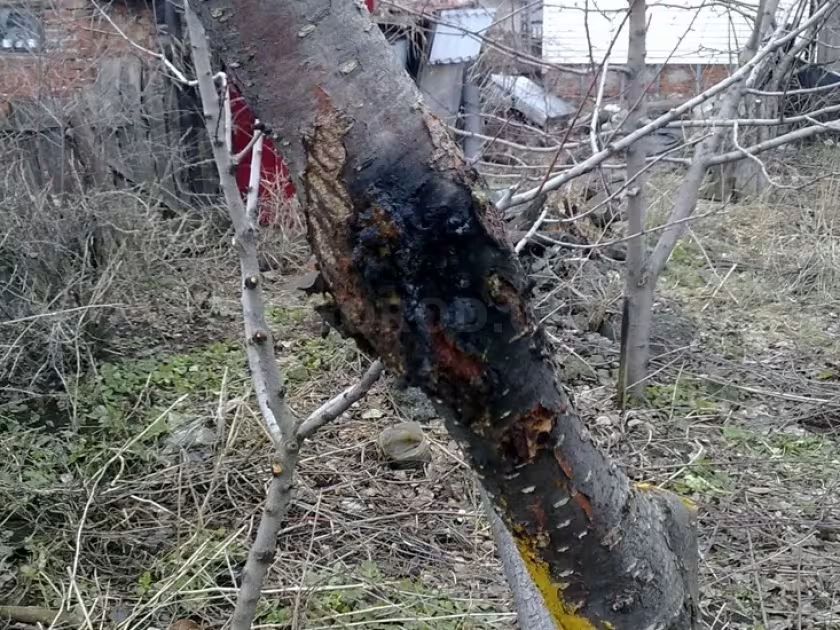
Symptoms appear as sunken brown spots around the lenticels, which gradually expand into concentric rings. The bark in the affected areas eventually dies, becoming dark and developing a characteristic wrinkled texture.
Infections on branches often result in the formation of cankers that can girdle the trunk, causing the death of the upper parts of the tree. Small black bumps, known as pycnidia, frequently form on the diseased tissue.
Apple fruits can be infected in the orchard or during storage, developing spots that quickly turn the flesh into a mushy mass. The skin of the fruit may remain intact on the surface initially while the internal tissue decays.
Trees affected by the disease gradually weaken; the leaves turn yellow and drop prematurely. In severe cases, massive necrosis of the skeletal branches and complete tree mortality occur.
Diagnosing the disease is often challenging due to similarities with black rot, so particular attention should be paid to the distinct concentricity of the lesions on both bark and fruit.
Pathogen
The causative agent is the fungus Botryosphaeria berengeriana, which belongs to the class of ascomycetes. It lives as a parasite, primarily infecting fruit crops such as domestic apple trees.
The fungus can persist for long periods in infected bark, dead branches, and mummified fruits. Conidia are the primary source of inoculum, spreading via wind and raindrops.
The fungal mycelium enters the plant through mechanical damage, sunscald, frost cracks, or pruning wounds. Inside the tissues, the parasite actively develops, destroying cells and the tree's vascular system.
The pathogen's life cycle includes a sporulation phase that is most active under high humidity conditions. Conidia can germinate across a wide temperature range, making the disease a threat throughout the growing season.
Experts highlight the high adaptability of this fungus, which allows it to form persistent populations in neglected orchards with high planting density.
Conditions for development
Infection development is favored by high relative humidity and heavy rainfall during the spring and summer. Weakened tree immunity due to adverse weather conditions makes them susceptible to the pathogen.
Poor agronomic practices, specifically delayed pruning and failure to disinfect pruning wounds, provide entry points for fungal spores. Periods of rapid temperature fluctuations are particularly dangerous as they lead to bark cracking.
Dense planting with poor air circulation contributes to prolonged moisture on tree surfaces, which is a critical factor for spore germination.
Fruit trees grown in poor soils with micronutrient deficiencies are more susceptible to Botryosphaeria attacks due to impaired tissue regeneration capabilities.
Improper irrigation and fertilization regimes that lead to excessive shoot growth or plant stress also increase the risk of widespread disease transmission.
Why it matters
The damage caused by the disease results in a significant reduction in fruit marketability and quality, making them unsuitable for long-term storage. Affected fruits are prone to decay even under optimal storage conditions.
Infection of skeletal branches leads to decreased overall productivity and premature tree aging. Loss of significant bark surface disrupts the transport of nutrients and water, hindering all vital processes.
Economic losses include the cost of protection measures and the necessity of removing entire trees in cases of severe infection. Early death of young plantings requires additional investment for replacement.
The disease contributes to an increased infectious background in the orchard, making it difficult to cultivate apples in subsequent years without radical sanitary measures.
Failure to control disease spread can lead to total crop loss in specific orchard zones within 2-3 seasons.
Protection
The cornerstone of defense is timely sanitary pruning of all infected branches, with mandatory removal of adjacent healthy tissue. All cuts must be immediately disinfected with copper-based solutions or wound sealants.
It is important to perform regular trunk whitewashing to protect the bark from temperature extremes, sunscald, and frost damage.
Applying copper-based fungicides in the early spring before bud break helps reduce the primary infectious load in the orchard.
- Clearing the orchard of fallen leaves and mummified fruits.
- Maintaining optimal planting density to ensure proper airflow.
- Timely fertilization to increase overall tree resistance.
- Disinfecting pruning tools between every tree.
If necessary, conduct preventative treatments throughout the season with fungicides approved for use against pome fruit fungal diseases, following strict application protocols and pre-harvest intervals.
Pathogens and affected parts
Affects crops · 1
Discussion
No discussions yet — be the first.