
Crab apple
Malus sylvestris (L.) Mill.
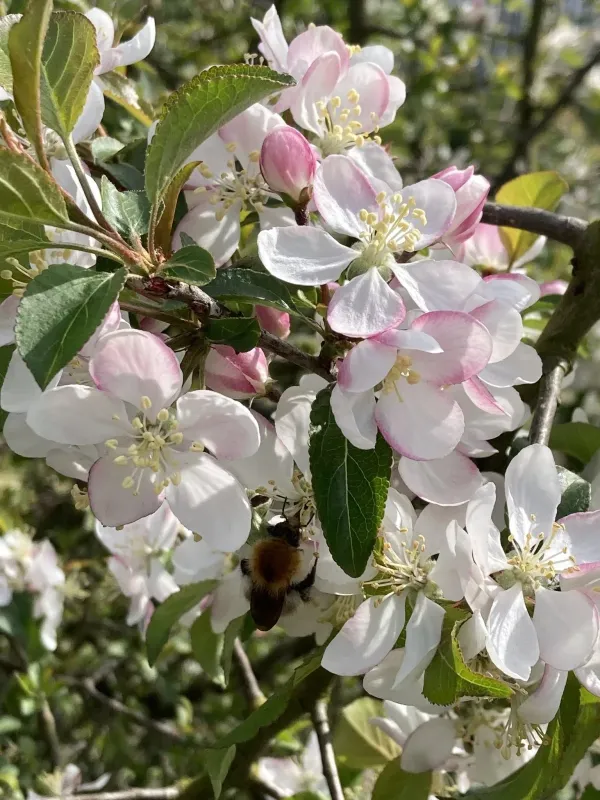
Description
Sowing dates
Propagation of the crab apple is primarily done through seeds, which require a significant period of cold stratification to break dormancy before spring germination.
Seeds are typically sown in autumn, allowing them to remain in the soil throughout the winter to naturally fulfill their chilling requirements for successful spring growth.
When sowing in a nursery setting, it is essential to ensure that the soil is well-drained and enriched with organic matter to support the development of strong seedlings.
Young seedlings grow moderately slowly in their first year and require consistent soil moisture and protection from weeds to establish their primary root system effectively.
Once established, the seedlings can be utilized as hardy, disease-resistant rootstocks for grafting various cultivated apple varieties due to their excellent compatibility.
Growing requirements
Malus sylvestris, commonly known as the European crab apple, is a member of the Rosaceae family and is native to diverse habitats across the European continent.
The tree prefers fertile, loamy soils that offer good aeration and drainage, as it is highly sensitive to waterlogged conditions that can damage its root system.
It is known for its high level of cold tolerance, allowing it to thrive in regions with harsh winters where other, more delicate fruit trees might struggle to survive.
The crab apple is a sun-loving species that performs best in open landscapes or woodland margins, where it can receive maximum sunlight for consistent fruit production.
Despite its adaptability, the tree benefits from protection against extreme, dry winds during the growing season to prevent desiccation of the leaves and young shoots.
Yield
The fruits of the crab apple are small, globular, and typically possess a sour or astringent flavor due to their high concentration of tannins and organic acids.
In terms of economic utility, these fruits are widely processed into high-quality pectin, cider, vinegar, and various preserves, which benefit from the fruit's unique chemical profile.
The wood of this species is highly valued for its density, strength, and intricate grain, making it a sought-after material for fine woodworking and tool handles.
From an ecological standpoint, the crab apple serves as a vital food source for diverse wildlife, including birds and small mammals, throughout the autumn and winter months.
Its role as a genetic reservoir makes it invaluable for modern breeding programs focused on enhancing disease resistance and environmental adaptation in commercial apple cultivars.
Main diseases and pests
The species is susceptible to common apple diseases, including apple scab and powdery mildew, which can significantly affect foliage and reduce the vigor of the tree.
Black canker represents a more serious threat, causing necrotic lesions on branches that can eventually lead to the loss of large portions of the tree's canopy.
The codling moth is a primary pest of the fruits, while aphids and mites can cause damage to new growth, potentially stressing the tree during hot summer periods.
Maintaining proper tree health through judicious pruning and monitoring helps prevent the spread of infections and keeps pest populations below critical thresholds.
- Regular removal of infected twigs and branches.
- Application of dormant oil sprays to control overwintering pests.
- Ensuring proper spacing to improve air circulation within the crown.
Harvesting
Harvesting usually takes place in late summer or early autumn, when the fruits reach full maturity and display their characteristic color changes.
Hand-harvesting is preferred for fruit intended for high-quality processing, ensuring that only healthy and clean specimens are collected for production.
Due to their high acidity and soft flesh, the harvested fruits should be processed promptly to prevent rapid oxidation and loss of their valuable biochemical properties.
When collecting seeds for nursery production, it is important to select fruits from robust, vigorous parent trees to ensure high germination rates and uniform seedlings.
Care must be taken during the harvesting process to avoid damaging the tree's bark or branches, as such wounds can provide entry points for secondary pathogens.