
Description
Symptoms
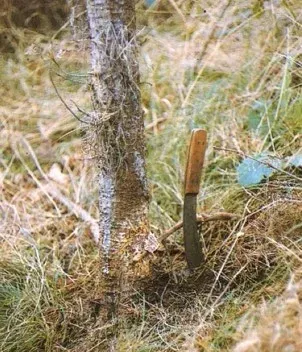
The most visible sign is the death and cracking of the bark in the infected area. As the disease progresses, the bark becomes dry, brittle, and eventually begins to peel away from the wood.
Small, dense, leathery fruit bodies appear on the surface of the infected bark. These growths are typically light-colored or ochre and often cling tightly to the substrate.
Upon removing the dead bark, the underlying wood shows signs of decay, often changing color and becoming soft or punky. This loss of density reduces the tree's structural strength.
Leaves on infected branches may exhibit premature yellowing and wilting. This occurs because the fungus damages the tree’s conductive tissues, preventing the flow of water and nutrients.
Over time, the entire branch or tree begins to lose vigor. Annual growth slows significantly, and the tree may suffer from dieback, eventually leading to death if left untreated.
Pathogen
The causative agent of this disease is Peniophora sacrata, a basidiomycete fungus. This pathogen is known for its ability to attack the woody parts of various deciduous trees, including the domestic apple tree.
The fungus functions as a wood-decay agent, actively breaking down lignin and cellulose components within the host's xylem. This process compromises the tree's internal structure over time.
Peniophora sacrata enters the tree through wounds, pruning cuts, or frost cracks in the bark. Once inside, the mycelium spreads throughout the vascular tissue, causing internal damage.
The fungus produces crust-like or leathery fruit bodies on the surface of the bark. These structures serve as the primary source of spore production for further transmission.
Dissemination is largely airborne. Basidiospores are released from the fruit bodies and dispersed by wind or splashing rain, settling on other susceptible parts of the tree or nearby plants.
Conditions for development
High humidity and poor airflow in the orchard are ideal conditions for the disease. Dense planting schemes often exacerbate these factors, creating a microclimate perfect for fungal growth.
Rainy seasons significantly increase the risk of infection, as moisture facilitates the production of fruit bodies and the successful germination of fungal spores on the bark.
Physical injuries serve as the primary entry points for the pathogen. Frost cracks, improper pruning cuts, and damage from machinery or pests are major vectors for Peniophora sacrata.
Trees that are already under stress—due to nutrient deficiencies, drought, or poor management—are significantly more susceptible to colonization by this wood-decay pathogen.
Neglected orchards, where dead wood and prunings are left on the ground, provide a permanent reservoir for the fungus to persist and spread throughout the plantation.
Why it matters
The primary harm is structural failure. As the fungus decays the heartwood or sapwood, the tree becomes unable to withstand the mechanical stress of heavy wind or snow loads, leading to breakage.
The disease drains the tree's energy reserves, leading to a drastic decrease in fruit yield and quality. Infected trees often struggle to produce enough food to support normal development.
Peniophora sacrata causes progressive damage that is often irreversible without surgical intervention. If ignored, the infection can eventually kill the entire tree, resulting in total loss.
Decaying wood invites secondary pests, such as wood-boring insects, which further accelerate the deterioration process and weaken the tree’s defenses against other opportunistic pathogens.
The cumulative impact on an orchard can be severe, requiring the removal of infected trees and costly management strategies to contain the spread of the fungus to healthy neighbors.
Protection
Sanitation is the most effective management strategy. All infected branches showing signs of bark necrosis must be pruned back to healthy, living tissue and removed from the site.
Proper wound dressing is essential. After pruning, exposed wood surfaces should be disinfected with copper-based solutions and sealed to prevent new spores from settling and germinating.
Maintaining orchard health through regular fertilization and irrigation helps the trees maintain a stronger immune response, making it harder for the fungus to establish itself.
Preventative fungicide applications, particularly during the early spring, can help protect the bark surface from initial spore colonization and reduce the overall infection pressure.
Orchard hygiene, including the removal of dead stumps and prunings, is vital. Keeping the orchard floor clean and well-aerated will discourage the persistence of wood-decay fungi.
Pathogens and affected parts
Affects crops · 1
Discussion
No discussions yet — be the first.