
Description
Symptoms
The primary symptom of infection is stunted plant growth and overall loss of vigor. Infected plants often show signs of nutrient deficiency, such as chlorosis, even when soil conditions are optimal.
Root system examination typically reveals lesions and browning of the finer root branches. The plants exhibit a decreased ability to uptake water and minerals, making them particularly sensitive to drought stress.
In trees like walnuts and apples, the disease manifests as early leaf senescence and premature leaf drop. The growth of new shoots is significantly reduced, and fruit quality often declines noticeably.
Leguminous crops like alfalfa and beans often show patchy growth on the field, with clearly defined areas of stunted or dying plants. In cranberries, infestation can lead to significant die-back of the root system.
Because these symptoms are easily confused with abiotic stressors, visual diagnosis is often unreliable. Confirmation usually requires professional laboratory analysis of rhizosphere soil samples to detect the presence of Paratylenchus.
Pathogen
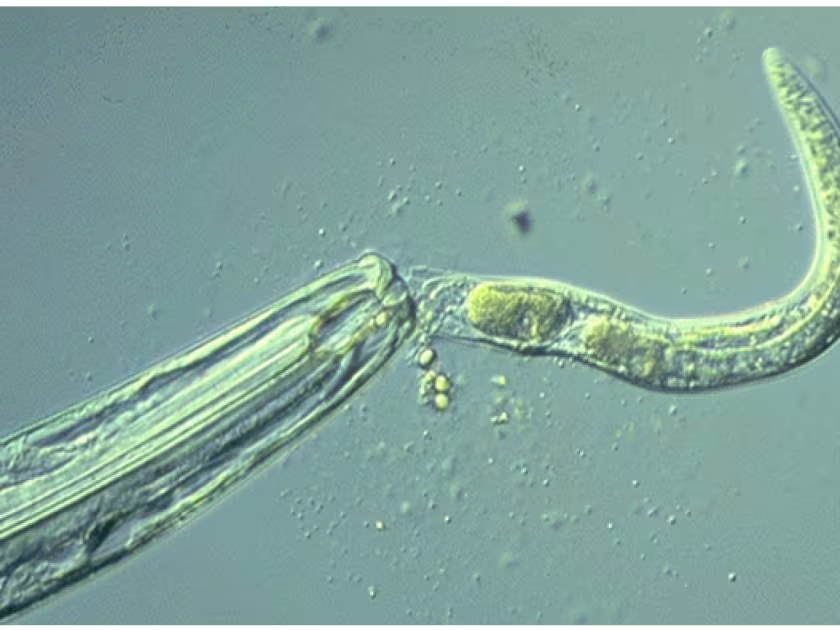
The disease is caused by microscopic ectoparasitic nematodes of the genus Paratylenchus spp. These organisms are commonly known as pin nematodes and possess a long, sharp stylet used to pierce plant root tissues.
Paratylenchus nematodes are highly mobile and reside primarily in the rhizosphere of plants. Unlike endoparasites, they typically feed on the outer surfaces of roots, attaching themselves to root hairs to extract nutrients.
Their life cycle consists of several larval stages and an adult stage. Under unfavorable environmental conditions, these nematodes can enter a dormant state or form specialized structures, ensuring their survival in the soil for extended periods.
These pests have a wide host range, attacking various crops including fruit trees like apples and walnuts, as well as legumes like beans, alfalfa, sorghum, and berries such as cranberries.
The biology of the pathogen is closely tied to the host's root system. A high population of these nematodes creates a persistent drain on the plant's resources, often leading to a significant reduction in overall yield.
Conditions for development
Paratylenchus species thrive in light, sandy soils where soil moisture allows for easier movement of the nematodes toward new root systems. Heavy clay soils, by contrast, tend to limit their mobility.
The ideal conditions for rapid development are moderate temperatures, typically between 15°C and 25°C. Warm, moist seasons are associated with the most significant population spikes in agricultural fields.
The spread of these nematodes occurs mainly through infected nursery stock, movement of contaminated soil on farm machinery, or via water runoff during heavy rainfall and irrigation.
Weeds growing in or around the fields serve as alternative hosts, allowing the nematode population to persist even after the main crop is harvested. Clean field management is vital for population control.
Continuous monocropping, such as in permanent orchards or cranberry bogs, creates a stable environment that leads to high nematode concentrations, significantly increasing the pressure on the current crop.
Why it matters
The main harm caused by these nematodes is the systemic withdrawal of plant sap, leading to chronic stress. This weakens the plant's immune system and reduces its ability to recover from environmental damage.
For fruit trees, the long-term impact includes reduced productivity and a shortened lifespan of the orchard. Weakened trees are also more susceptible to winter frost damage and other environmental stressors.
Economic losses in legumes and grains like sorghum arise from reduced biomass and lower harvest volumes. The quality of the harvest often fails to meet market standards due to size reduction and poor ripening.
Infected root tissues become highly susceptible to secondary infections by soil-borne fungi and bacteria. This complex interaction often leads to more rapid plant decline than the nematode damage alone would cause.
Effective management is crucial because once a field becomes heavily infested, it requires intensive interventions to make the area productive again, leading to higher operational costs for growers.
Protection
The cornerstone of control is a sound crop rotation plan. By alternating host crops with non-host or antagonistic plants, growers can naturally deplete the nematode population in the soil.
The use of green manure or cover crops with nematode-suppressing properties, such as mustard, can effectively sanitize the soil when incorporated correctly before planting the main crop.
Strict phytosanitary control regarding planting stock is essential. Only certified, nematode-free seedlings should be used to prevent the introduction of these pests into new orchard or field sites.
Chemical control with specialized nematicides may be necessary in high-pressure scenarios, though these applications must strictly follow environmental regulations to protect soil biodiversity and groundwater.
Regular soil monitoring and nematode counting help in early detection. Implementing localized treatments upon finding initial infestation spots can prevent the disease from spreading across the entire property.
Pathogens and affected parts
Affects crops · 6
Discussion
No discussions yet — be the first.