

Gray mold
Botrytis cinerea
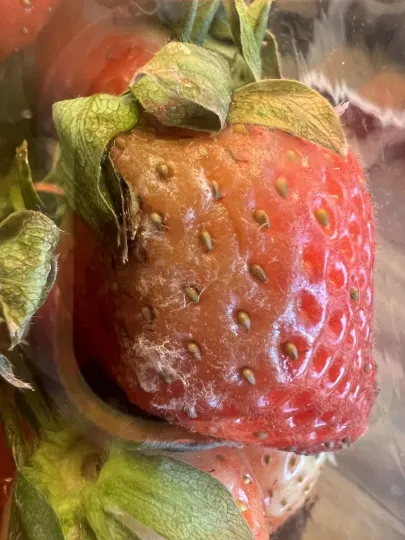
Description
Symptoms
The primary symptom is the development of a characteristic gray, fuzzy mold on the affected plant parts, consisting of fungal spores and conidiophores.
On leaves and stems, watery, brown spots appear, which gradually enlarge and coalesce, eventually leading to the necrosis of the entire infected area.
When fruits or bulbs are infected, they undergo soft rot. The tissue becomes mushy and discolored, often accompanied by the formation of black, hard sclerotia on the surface.
In winter crops, the disease typically manifests as crown rot, causing the plant to wither and eventually collapse during the spring growth phase.
- Gray, fuzzy fungal growth on plant surfaces.
- Watery brown lesions on stems and leaves.
- Softening and decay of fruit or bulb tissues.
- Formation of hard black sclerotia on infected parts.
Pathogen
The causal agent of gray mold is the fungus Botrytis cinerea, which belongs to the group of imperfect fungi. It is a highly destructive pathogen with an exceptionally broad host range.
The fungus spreads via conidia, which are easily transported by wind currents, rain splashes, or insects. The pathogen survives in the soil and on plant debris as sclerotia for several years.
Infection usually occurs through mechanical injuries, insect wounds, or natural openings like stomata. In humid conditions, the mycelium can penetrate plant tissue directly through the epidermis.
The fungus exhibits both parasitic and saprophytic properties, allowing it to colonize both living tissues and decaying organic matter, ensuring its persistence in the environment.
It affects numerous crops, including onion, garlic, anemone, celery, peanut, asparagus, fodder beet, and winter oilseed rape.
Conditions for development
High relative humidity, typically exceeding 85%, and the presence of free water on plant surfaces are the most critical factors for the rapid spread of gray mold.
The optimal temperature range for the pathogen's growth and conidial production is between +15°C and +25°C, although it can remain active under various conditions.
Dense planting configurations that restrict air circulation create a microclimate prone to fungal proliferation, making it easier for spores to germinate on healthy tissue.
Excessive nitrogen fertilization often leads to succulent, overly lush growth, which makes the plant tissues more susceptible to fungal penetration and colonization.
Poor field sanitation, including the accumulation of crop residues, provides a continuous reservoir of inoculum for subsequent growing seasons.
Why it matters
The damage caused by gray mold is significant, leading to severe yield losses due to the destruction of both foliage and reproductive structures of the plants.
This disease is particularly devastating during storage, as even minor infections at harvest can lead to the rapid spoilage of large batches of produce.
Infection of planting material reduces germination rates and vigor, resulting in uneven crop stands and requiring farmers to replant affected areas.
The fungus produces toxins that weaken the plant's overall system, reducing its stress resistance and leading to stunted growth or premature senescence.
For industrial crops, gray mold can drastically reduce the quality of raw materials, negatively impacting the sugar or oil content in the final harvest.
Protection
Effective management requires an integrated approach, starting with the use of disease-free planting material and rigorous adherence to crop rotation cycles.
Maintaining proper plant spacing is essential to improve airflow and reduce the duration of leaf wetness, thereby inhibiting spore germination.
Implementing strict field sanitation by removing and destroying crop debris reduces the fungal inoculum pressure for the next season.
Chemical control involves the timely application of systemic or contact fungicides during high-risk periods, such as flowering or wet weather windows.
Balanced plant nutrition, focusing on adequate potassium and phosphorus levels, helps strengthen cell walls and enhances the natural resistance of plants to fungal attack.
In brief
60
Affects crops
Biology
Pathogens and affected parts
Pathogens
Botrytis cinerea· fungus
Botryotinia fuckeliana· fungus
Botrytis· fungus
Botryotinia fuckelinana· fungus
Botrytis tracheiphila· fungus
Botrytis squamosa· fungus
Botrytis porri· fungus
Botrytis aclada· fungus
Botrytis byssoidea· fungus
Botryotinia ricini· fungus
Amphobotrys ricini· fungus
Botrytis ricini· fungus
Affected plant parts
whole plantstemfruitflowerleafear
Content graph
Affects crops · 60
AlfalfaAlmondAppleApricotArabica coffeeAsparagusAuriculaBalsamBarberton daisyBleeding heart vineBrowallia speciosaCarnationCarpathian bellflowerCattleyaCeleryChickpeaCitrusCommon beanCommon hopCommon pearCongo coffeeDahliaDouglas FirDuracina cherryFairy primroseFodder beetFuchsiaGarlicGeraniumIndustrial hempIvy-leaved pelargoniumJerusalem artichokeLentilLettuceMango treeMimulusOnionPassiflora L.PeaPeachPeanutPersian cyclamenPersian violetPistachioPoinsettiaPoppy anemonePrimrosePrimula obconicaSafflowerScented GeraniumSlipper FlowerSour cherryStrawberrySunflowerSweet PepperSweet potatoTobaccoTurnipWatermelonWinter rapeseed
Content graph
Connections · Gray mold
Most often together:
Nutrient elements
1 contact
Marketplace
Products · 1487
All 1487
Sunflower 707
Fungicides 240
Grape 196
Raspberry, Strawberry 50
Raspberry 38
Tomato 31
Peony 26
Corn 19
Cabbage 16
Tulips 15
Biological Products 11
Hemp 11






DIMAN
ФГБНУ Федеральный Аграрный Научный Центр Северо-востока имени Н.В. Рудницкого
Hemp
0
0
·
66
2 offers
312 €per 1000 pcs
Buy


Community
Discussion
No discussions yet — be the first.