
Gerbera jamesonii
Gerbera jamesonii Bolus ex Hook. f.
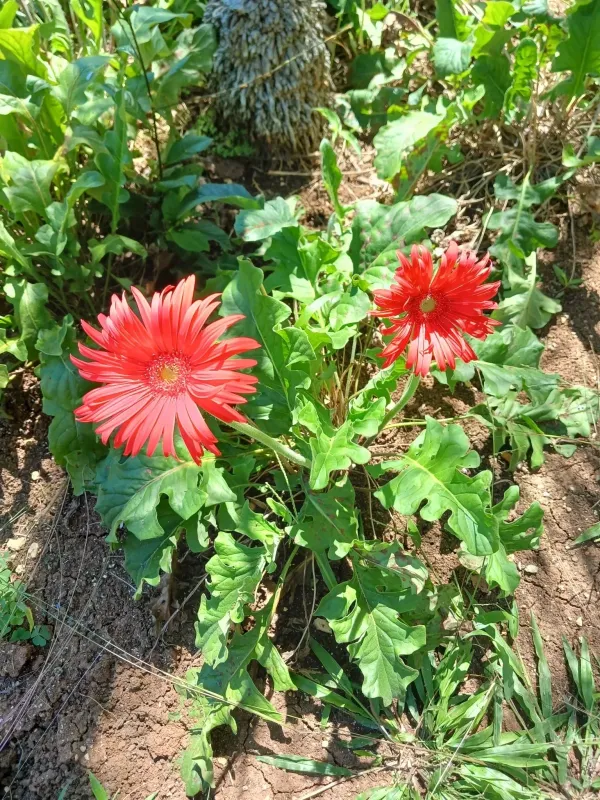
Description
Growing requirements
Gerbera jamesonii, commonly known as the Transvaal daisy, is a prominent member of the Asteraceae family. Originating from the subtropical regions of South Africa, it has become a staple commercial crop globally, primarily used for cut flower production.
The plant is characterized by a basal rosette of leaves and striking, daisy-like inflorescences. Botanically, it is a perennial that requires specific environmental controls to maintain vigor and consistent flowering cycles throughout the year.
Ideal cultivation requires a well-drained, porous substrate with a pH balance between 5.5 and 6.5. Because the roots are highly sensitive to oxygen levels, soil compaction must be avoided through the use of organic amendments like perlite or peat moss.
Climate requirements include a stable temperature range of 20°C to 25°C during the day. High light intensity is essential for flower quality; thus, supplementary lighting is frequently utilized in professional greenhouses during shorter winter days.
Water management is the most critical aspect of gerbera agronomy. Drip irrigation systems are preferred to ensure moisture reaches the root zone without saturating the crown, which prevents the onset of various physiological and pathological disorders.
Main diseases and pests
Gerbera crops are highly susceptible to fungal pathogens that thrive in high-humidity greenhouse environments. Common diseases include Alternaria leaf spot, Rhizoctonia, and Sclerotinia, which can cause significant loss of foliage and root viability.
Verticillium wilt is a devastating vascular disease that leads to sudden collapse and systemic necrosis. Prevention involves strict soil pasteurization and maintaining high sanitary standards within the production facility to avoid pathogen spread.
Root health is frequently compromised by Pythium root rot, often triggered by waterlogged conditions. Similarly, Botrytis cinerea (gray mold) represents a significant threat during periods of poor ventilation, affecting both the leaves and the flowers.
Viral infections such as Tomato mosaic virus and Tobacco mosaic virus pose severe risks to commercial plantations. Since no chemical cure exists for these viruses, rogueing infected plants and controlling insect vectors like aphids and whiteflies is mandatory.
Integrated Pest Management (IPM) is essential for managing persistent pests such as spider mites, whiteflies, and thrips. Regular monitoring and the application of biological controls are standard practices to ensure a high-quality, marketable yield.