
Mango
Mangifera indica L.
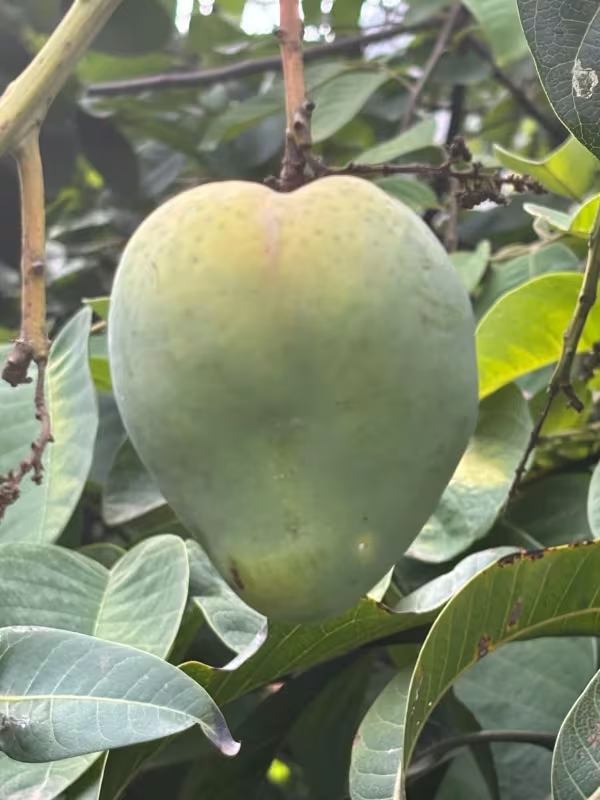
Description
Sowing dates
Mango (Mangifera indica L.) is a member of the Anacardiaceae family. In commercial horticulture, the most reliable propagation method is grafting, which ensures that the progeny trees maintain the superior characteristics of the parent variety.
Seed-based propagation is primarily utilized for generating rootstocks. Seeds should be planted in well-draining, nutrient-rich soil, and maintaining a constant temperature is vital for uniform germination.
Planting in the field is ideally timed to coincide with the beginning of the rainy season. This timing ensures that young trees establish their root systems effectively before the onset of the drier, more challenging months.
The selection of the planting site is critical; the terrain must be elevated enough to prevent waterlogging. Deep, alluvial soils that allow for extensive root penetration are the gold standard for high-productivity orchards.
Spacing between trees typically ranges from 8 to 12 meters, allowing sufficient room for the tree's canopy to expand without causing excessive shading or hindering the airflow between adjacent plants.
Growing requirements
As a true tropical species, mango requires warmth for all stages of growth. The ideal temperature for active vegetative growth is between +24°C and +30°C, and protection from frost is essential.
A distinct dry season is a biological requirement for floral induction. Without this period of relative drought, the trees may continue vegetative growth instead of initiating reproductive structures, resulting in low yields.
High light intensity is necessary for optimal photosynthetic activity. Lack of sunlight or dense canopy cover negatively affects fruit sugar content and makes the orchard more prone to fungal diseases.
Soil requirements include excellent permeability. Mango trees dislike stagnant water at the roots, which can lead to rapid deterioration of tree health. Proper drainage systems are necessary in heavy soils.
Managing water during the reproductive phase is delicate. While trees need adequate moisture for fruit development, excessive or irregular watering can cause fruit cracking or lower the overall fruit quality.
Yield
Grafted mango trees usually begin producing fruit within 3 to 5 years, reaching full commercial productivity around the age of 10 to 15 years. Individual trees can remain productive for several decades under good care.
Yield varies significantly based on cultivar, climate, and management practices. A mature tree can yield hundreds of kilograms of fruit per season, provided it is managed for consistent annual output.
To avoid biennial bearing — a common issue in mangoes — growers use balanced fertilization, pruning to encourage new shoots, and strictly controlled irrigation schedules. These methods help stabilize production over the years.
Fruit quality is assessed based on size, color, and sugar-to-acid ratio. Proper nutrition management, particularly potassium levels, plays a key role in enhancing the flavor and shelf life of the fruit.
Harvested yields are categorized by quality. Superior specimens are earmarked for the fresh export market, while others are processed into juices, purees, or dried fruit products to ensure no harvest is wasted.
Main diseases and pests
Mangoes face significant pressure from fungal pathogens, most notably Anthracnose, which targets leaves, blossoms, and ripening fruit. Other notable diseases include:
- Alternaria leaf spot
- Verticillium wilt
- Helminthosporium
- Rhizoctonia
- Pythium root rot
- Ashy stem blight
- Fruit rot
Integrated Pest Management (IPM) is essential for maintaining a healthy orchard. This involves regular canopy thinning to improve aeration, which reduces the humidity that pathogens thrive in.
Insect pests like fruit flies, scale insects, and mealybugs can severely impact both tree vigor and fruit marketability. Biological control methods and targeted chemical sprays are used to keep populations under control.
Strict sanitation measures, such as removing and burning infected branches or fallen fruit, are crucial for limiting the spread of fungal spores across the orchard during the growing season.
Early detection through frequent monitoring is the most effective defense. By catching infestations or disease outbreaks in their initial stages, growers can prevent devastating losses and maintain orchard health.
Harvesting
Harvesting is labor-intensive and performed by hand. Cutters should leave a small portion of the stem attached to the fruit to prevent the caustic sap from running onto the skin, which causes blemishes.
The timing of the harvest is determined by changes in skin color and fruit firmness. Many cultivars are harvested at a mature-green stage to allow for safer shipping and longer shelf life before reaching the consumer.
Once harvested, fruit must be handled with extreme care to avoid mechanical injury. Even minor abrasions on the surface of the fruit can become entry points for post-harvest decay fungi.
Post-harvest conditioning includes sorting, washing, and temperature-controlled storage. Cooling the fruit immediately after harvest slows down metabolic processes and extends the product's freshness significantly.
Logistics and cold-chain integrity are paramount when shipping to international markets. Maintaining constant temperatures throughout transit ensures that mangoes arrive at the final destination in peak condition.