
Sweet potato
Ipomoea batatas (L.) Lam.
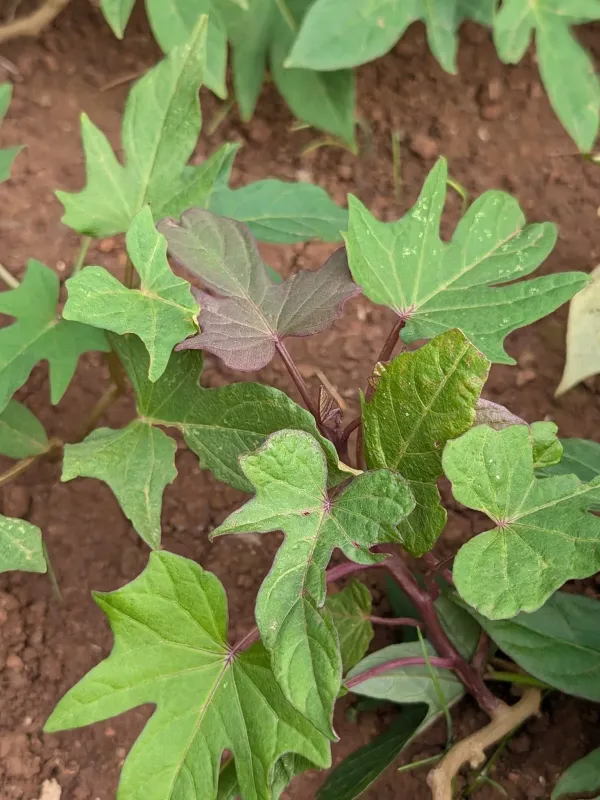
Description
Sowing dates
Sweet potato is a tropical plant that is primarily propagated through slips, which are sprouts generated from mature tubers.
The propagation process begins indoors or in specialized greenhouses several weeks before the frost-free date in the respective region.
Transplanting the slips into the field occurs only when the soil is thoroughly warmed, as the crop requires significant heat to establish.
Proper plant spacing is essential to ensure that vines have enough room to spread and root, which directly impacts tuber formation.
Consistent moisture management during the initial stages of planting is critical for the survival and rapid growth of the young slips.
Growing requirements
Belonging to the Convolvulaceae family, the sweet potato is a versatile and nutrient-dense crop grown globally for its storage roots.
The crop thrives in full sun and requires long, warm growing seasons with temperatures consistently above 20 degrees Celsius.
It prefers well-drained, sandy loam soils that allow the roots to expand freely without encountering heavy clay or compaction.
Soil pH should ideally range from slightly acidic to neutral to ensure optimal nutrient availability and support strong vine growth.
Adequate soil fertility, managed through balanced fertilization, is necessary to support the high energy requirements of tuber development.
Yield
Yield potential of sweet potato is highly dependent on the choice of cultivar, soil health, and the length of the frost-free season.
Efficient management practices, such as ridge planting, can significantly increase the total yield per hectare for commercial growers.
Potassium levels in the soil play a vital role in determining root size and quality, making specialized fertilizer programs highly beneficial.
Regular monitoring of canopy development helps in assessing the vigor of the plant and predicting the potential harvest volume.
Strategic weed control, especially during the early growth phase, prevents competition and ensures that nutrients are used by the crop.
Main diseases and pests
The crop is vulnerable to various fungal diseases including Alternaria leaf spot, anthracnose, and Rhizoctonia root rot.
Sclerotinia rot, ashy stem blight, and grey mold can cause significant damage if environmental conditions are overly humid.
Storage is particularly challenging, as Penicillium rot and other fungal infections can quickly compromise the quality of harvested tubers.
Common agricultural pests like wireworms and various soil insects pose a risk to root integrity by creating entry points for secondary infections.
Integrated pest management strategies are crucial for minimizing losses and maintaining the health of the plant throughout the growing season.
Harvesting
Harvesting usually takes place when the leaves begin to yellow and the vines start to die back, typically 90 to 120 days after planting.
Careful digging is necessary to avoid scarring or bruising the tubers, as damaged skin significantly reduces the shelf life of the produce.
Once harvested, sweet potatoes should be cured in a warm, humid environment to heal wounds and improve their long-term storage quality.
Post-curing storage should be conducted in a cool, dark, and well-ventilated space to maintain the nutritional value and texture of the tubers.
Effective post-harvest handling is a key determinant of the final economic value of the sweet potato crop in both domestic and export markets.