
Carpathian bellflower
Campanula carpatica Jacq.
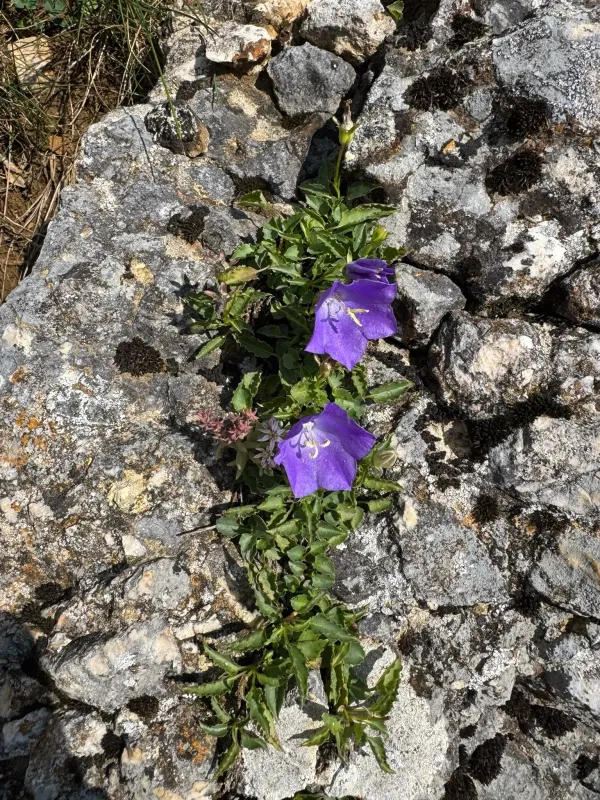
Description
Sowing dates
Sowing of Carpathian bellflower seeds is typically performed in March or April using trays filled with a light, well-draining substrate. Since the seeds are minute, they should be surface-sown and pressed gently into the medium without being covered by soil.
Optimal germination requires consistent temperatures between 18 and 20 degrees Celsius. Providing a transparent cover to maintain humidity is essential, though regular ventilation is needed to prevent damping-off diseases during the early seedling stage.
Transplanting the seedlings into individual containers is recommended once they develop their first set of true leaves. This allows the root system to strengthen before the plants are transitioned to their permanent garden location in late May.
Direct sowing into the garden can be executed in late autumn or early spring once the soil begins to warm up. Fall sowing is particularly effective as it allows natural stratification, resulting in more vigorous spring growth.
When transplanting into the garden, spacing should be set at 30 centimeters apart to ensure adequate airflow. Proper spacing is a key agricultural practice to reduce the impact of potential pathogens that thrive in dense, humid environments.
Growing requirements
Campanula carpatica, a member of the Campanulaceae family, is a herbaceous perennial native to the Carpathian Mountains. It thrives in sunny locations but can tolerate partial shade, making it a versatile choice for various garden landscapes.
The soil must be neutral or slightly alkaline, offering superior aeration and drainage properties. On heavy clay soils, incorporating coarse sand or gravel is vital to prevent water stagnation, which the plant cannot tolerate.
While the plant is quite hardy, providing a light organic mulch in colder regions helps protect the root zone during severe, snowless winters. Proper moisture management is required, with deep watering during dry spells being preferable to frequent light moisture.
For vibrant blooms, the bellflower benefits from regular applications of balanced mineral fertilizers during the active growing season. Applying nutrients from early spring until the onset of bud formation encourages a prolific display of flowers.
Maintenance tasks include the removal of spent flower stems, which encourages the plant to direct energy toward vegetative growth or potential re-blooming. Keeping the area free of weeds ensures that the plant does not compete for essential nutrients.
Main diseases and pests
Fungal diseases are the primary threat to the health of the Carpathian bellflower. Common pathogens include Rhizoctonia and Sclerotinia, which can cause significant damage to the roots and crown of the plant if left unchecked.
Gray mold (Botrytis) and ash rot often plague plants in humid or poorly ventilated conditions. Furthermore, Fusarium root rot remains a persistent threat, especially in soils that lack proper drainage or suffer from periodic waterlogging.
Viral infections, such as the tomato mosaic virus, can occasionally affect bellflowers, leading to stunted growth and mottled foliage. Management of these viruses focuses on controlling vector insects like aphids that spread the infection.
Southern sclerotial blight and Phyllosticta leaf spot are also noted as potential problems that can mar the appearance of the foliage. Implementing integrated pest and disease management practices is the most effective way to maintain plant health.
- Ensuring soil porosity.
- Removing debris to prevent fungal growth.
- Applying fungicides at the first sign of leaf spots.
- Managing insect populations.
- Monitoring plant health during high humidity.