
Browallia speciosa
Browallia speciosa Hook.
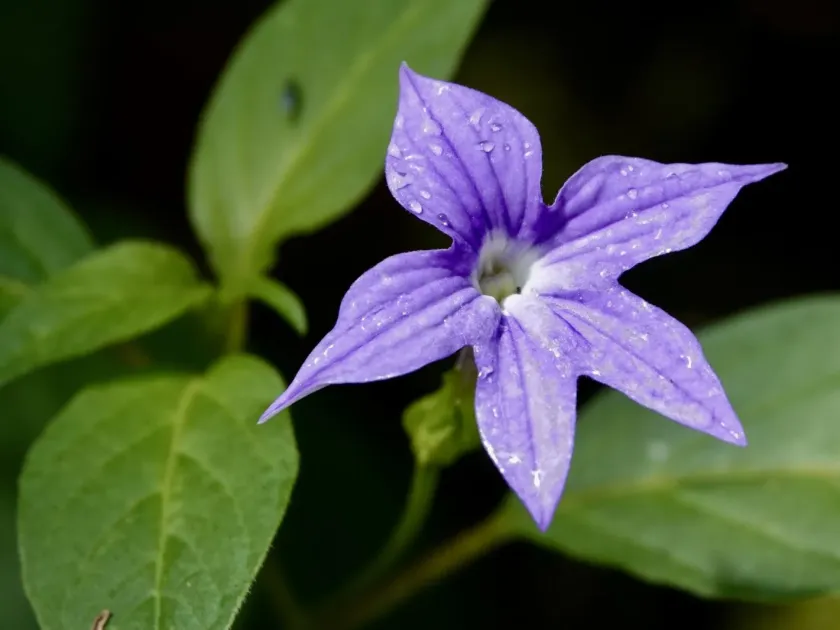
Description
Sowing dates
Sowing of Browallia speciosa seeds is typically performed in late winter or early spring, specifically from January to March. The seeds require warmth and consistent humidity to germinate effectively.
The seeds are minute and should be surface-sown on a light, moist starter mix without being deeply covered. Maintaining a temperature around 20–22°C is crucial for successful emergence.
Germination usually takes approximately two to three weeks. Once the seedlings develop two true leaves, they should be carefully pricked out into individual small pots or cell trays.
Pinching the growing tips is a highly recommended horticultural practice for this species. This technique encourages lateral branching and results in a denser, bushier plant habit.
Plants should be hardened off and moved to their final outdoor location only after all danger of frost has passed, as this species is very sensitive to cold temperatures.
Growing requirements
Browallia speciosa thrives in bright, indirect light. While it loves sunshine, it should be protected from intense afternoon rays, which can scorch the delicate foliage.
The plant requires well-drained, fertile soil that remains consistently moist but never waterlogged. A neutral to slightly acidic pH is ideal for optimal nutrient absorption.
The ideal temperature range for this plant is between 18°C and 25°C. Exposure to cold drafts or significant temperature fluctuations can cause the plant to drop its flowers prematurely.
Regular watering is essential during the growing season. It is best to water when the surface of the soil begins to feel dry to the touch, avoiding overhead watering whenever possible.
Periodic fertilization with a balanced, water-soluble fertilizer formulated for flowering plants will help maintain health and ensure continuous blooming throughout the season.
Main diseases and pests
Fungal diseases are common in this species, particularly in humid or stagnant air conditions. Verticillium wilt and Fusarium wilt are major threats that cause systemic decline.
Gray mold, also known as Botrytis, often targets the stems and leaves if air circulation is poor. Proper spacing and ventilation are the primary preventive measures.
Viral infections such as Tomato mosaic virus and Impatiens necrotic spot virus are extremely dangerous for this crop. These viruses often spread via insect vectors like thrips or aphids.
Bacterial wilt is another severe condition that leads to rapid plant death. Once a plant exhibits signs of bacterial infection, it must be removed to prevent spread to others.
Pests like aphids, whiteflies, and spider mites frequently infest this crop. Integrated pest management, including regular scouting and insecticidal soap applications, is recommended.