

Reference · Crops
Pepper
Capsicum L.
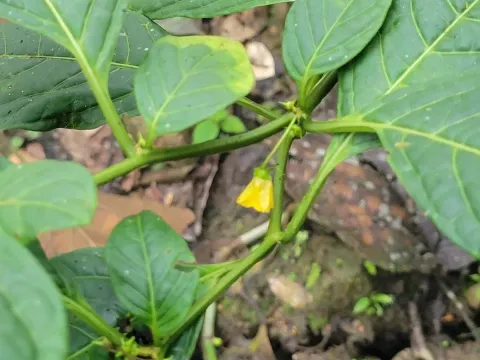
Pepper belongs to the Solanaceae family and is a warm-season crop native to the tropical regions of Central and South America.
8
items
What the section contains
 Bell pepper
Capsicum annuum L.
338 products
Bell pepper
Capsicum annuum L.
338 products
 Aji
Capsicum baccatum L. var. pendulum (Willd.) Eshbaugh
Aji pepper
Capsicum baccatum L.
Aji
Capsicum baccatum L. var. pendulum (Willd.) Eshbaugh
Aji pepper
Capsicum baccatum L.
 Capsicum pubescens
 Ruiz & Pav.
Capsicum pubescens
Capsicum pubescens Ruiz & Pav.
 Capsicum rabenii
 Sendtn.
Capsicum rabenii
Capsicum rabenii Sendtn.
 Chili pepper
Capsicum frutescens L.
Interspecific hybrid of Capsicum annuum and Capsicum chinense
Capsicum annuum x Capsicum chinense
Chili pepper
Capsicum frutescens L.
Interspecific hybrid of Capsicum annuum and Capsicum chinense
Capsicum annuum x Capsicum chinense
 Scotch Bonnet pepper
Capsicum chinense Jacq.
Scotch Bonnet pepper
Capsicum chinense Jacq.
Marketplace
Products in this section · 12



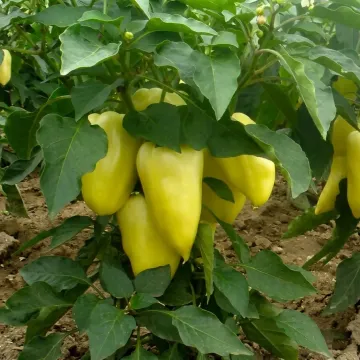

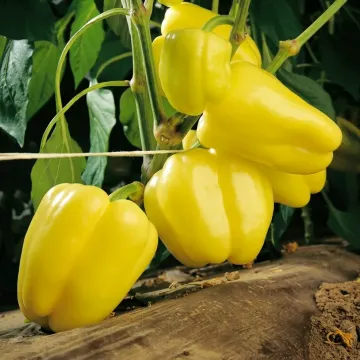
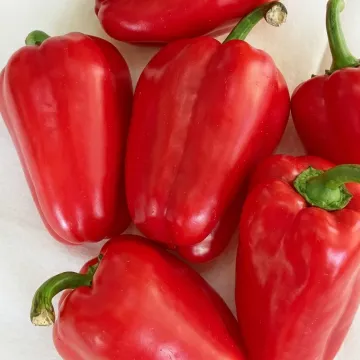

Pepper
In temperate climates, peppers are typically started indoors as transplants 60 to 80 days before the last expected spring frost.
Seeds should be sown in a sterile seed-starting mix at a depth of 1 cm and maintained at temperatures between 25–28 degrees Celsius for optimal germination.
Adequate light is crucial during the seedling stage to prevent legginess; professional growers often use LED grow lights to ensure strong development.
Transplanting into the garden occurs only when the soil has thoroughly warmed, as cold soil temperatures can significantly stunt the plant's initial growth.
Peppers thrive in full sun and require at least 6 to 8 hours of direct sunlight daily to produce high-quality fruits.
Well-drained, fertile soil with a pH between 6.0 and 6.8 is ideal. Amending the soil with compost improves nutrient availability and moisture retention.
Watering consistency is vital. Fluctuating soil moisture levels can lead to blossom end rot and fruit drop in sensitive pepper varieties.
The crop is highly sensitive to cold; windbreaks or row covers may be necessary in cooler regions to protect the plants from chilling temperatures.
Regular fertilization with a balanced NPK fertilizer supports healthy vegetative growth, though phosphorus and potassium are key during the flowering phase.
Yield potential depends heavily on the chosen cultivar, with hybrid varieties often producing higher quantities of uniform fruit compared to heirlooms.
In high-tunnel or greenhouse environments, yields can be significantly maximized through optimized nutrient management and pruning techniques.
Proper plant spacing (usually 45–60 cm between plants) prevents overcrowding, ensuring better air circulation and light penetration for higher yields.
Removing the first flower buds can sometimes encourage the plant to grow larger and stronger before committing resources to fruit production.
Cumulative harvest weight is influenced by the length of the growing season; in protected culture, production can extend well into the autumn months.
Common fungal diseases include Alternaria blight, Anthracnose, Verticillium wilt, and Rhizoctonia root rot, which thrive in humid conditions.
Viral infections such as Tomato Mosaic Virus, Potato Virus A, Potato Virus X, and Pepper Mottle Virus are major threats that often require vector control.
Pest management is essential, as aphids, spider mites, and whiteflies not only damage the plant but serve as primary vectors for viral transmission.
Integrated Pest Management (IPM) practices, such as using reflective mulches and introducing beneficial insects, can help mitigate these risks.
Sanitation in the field, including the removal of infected debris and weed control, is critical to preventing the carry-over of pathogens between seasons.
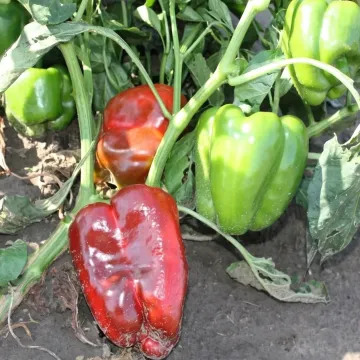
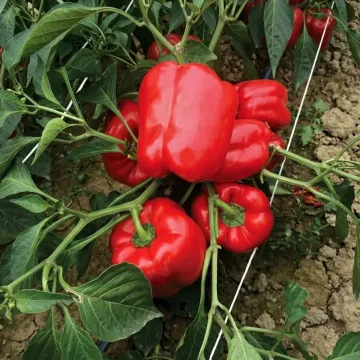
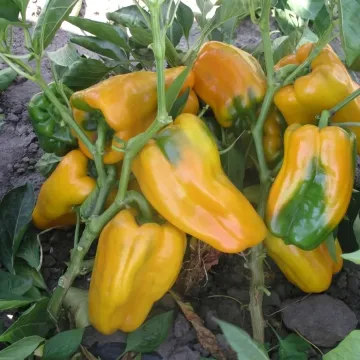
Harvesting usually begins at the green (technical) stage, but many gardeners wait for full color development for a sweeter flavor profile.
Fruits should be harvested using sharp shears to avoid damaging the brittle stems, which can snap easily under pressure during hand-picking.
Frequent harvesting encourages the plant to continue producing new blossoms, thereby extending the total production window for the season.
Post-harvest care involves storing peppers in a cool, humid environment to maintain firmness and prevent dehydration of the fruit skins.
Sorting and grading should be done promptly after harvest to remove any fruits with mechanical damage or signs of early decay to prevent spoilage.