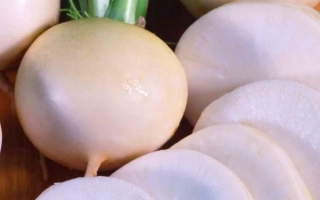
Description
Sowing dates
Turnip is a cold-resistant crop that can be sown in two stages. Spring sowing is carried out as soon as the soil warms up to 5–8 degrees Celsius to obtain early produce.
For long-term storage, summer sowing performed in late June or early July is preferred. During this period, daylight hours decrease, which is beneficial for root development and prevents premature bolting.
The seeding depth should be between 1 and 2 cm, depending on the soil texture. An optimal planting scheme involves row spacing of 30–40 cm to ensure sufficient nutrition area for each plant.
It is important to consider that turnips do not tolerate dense planting, so thinning the seedlings is a mandatory stage of agricultural technology. The first thinning is performed at the stage of two true leaves.
Using precision seed drills allows for a significant reduction in seed consumption, saving on planting material and labor costs associated with thinning.
Growing requirements
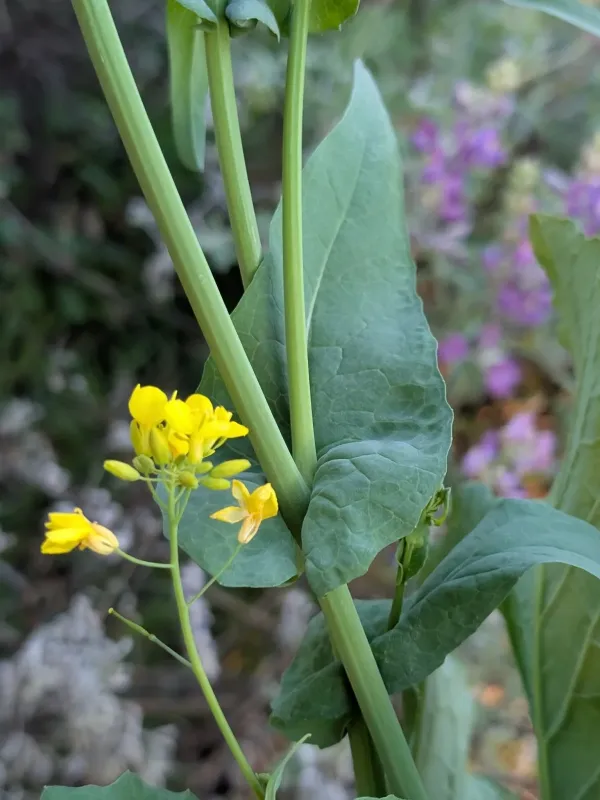
Belonging to the Brassicaceae family, the crop prefers well-structured, fertile loams or sandy loam soils with a neutral pH level.
Turnips are demanding regarding soil moisture, especially during the period of intensive root swelling; however, waterlogging is detrimental and leads to the development of rots.
The optimal temperature for growth ranges from 15 to 20 degrees Celsius. Higher temperatures decrease the quality of root vegetables, making them coarse and giving them a bitter taste.
A crucial requirement is to follow crop rotation: the best predecessors are cucumbers, potatoes, tomatoes, and legumes.
It is not recommended to plant turnips after other cruciferous crops due to the accumulation of specific pests and soil-borne pathogens.
Yield
The yield of turnips depends directly on the variety, the level of agricultural technology, and the climatic conditions of the region. On average, one can obtain 30 to 60 tons of marketable produce per hectare.
High yields are achieved by maintaining an optimal irrigation regime, especially during the root formation phase, as moisture deficiency leads to cracking and deformation.
Timely fertilization with nitrogen, phosphorus, and potassium during the first half of the growing season promotes vigorous vegetative growth and subsequent root development.
The quality of the harvest is determined by the uniformity of the roots and the absence of mechanical damage or signs of disease during harvesting.
Modern hybrid varieties allow for more stable and larger root vegetables, which possess excellent flavor and long shelf life in storage.
Main diseases and pests
Turnips are susceptible to a range of fungal diseases, among which Alternaria leaf spot, anthracnose, and Verticillium wilt are the most dangerous, affecting both leaves and roots.
In waterlogged soil conditions, outbreaks of Rhizoctonia, Sclerotinia, and Pythium root rot are common and capable of destroying a significant portion of the crops.
Gray mold (Botrytis) and Southern blight (Sclerotium rolfsii) also pose a serious threat, particularly under poor storage conditions or high air humidity.
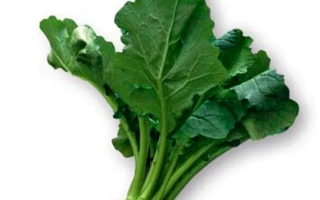
Among pests, flea beetles cause the most damage, especially during the seedling stage, while cabbage maggot larvae damage the root system.
Prevention includes seed treatment, strict crop rotation, soil pH management, and timely control of weeds belonging to the Brassicaceae family.
Harvesting
Turnips are harvested before the onset of persistent frosts, as frozen roots do not store well and lose their culinary qualities.
For summer-sown crops, September or October is the optimal time for harvest when the roots reach their variety-specific size and market maturity.
The roots should be carefully dug up, taking care not to damage the skin, after which the tops are trimmed, leaving stalks no longer than 1–2 cm.
It is important to perform initial sorting by removing damaged or diseased specimens, which prevents the spread of rot during winter storage.
Storage should be carried out in a dry, cool place at a temperature of 0 to +2 degrees Celsius and a relative humidity of about 90–95 percent.
In brief
31
Crop diseases
Content graph
Crop diseases · 31
Alternaria leaf spotAnthracnoseBacterial leaf spotBacterial soft rotBlack root rotBlack rotCercospora leaf spotCladosporiosisClubrootCommon scabCrown gallFusarium wiltFusarium wiltGliocladium rotGray moldLight leaf spotMosaicPeronosporosisPhoma leaf spotPink root rotPlant phytoplasmaPowdery mildewPythium cavity spotRhizoctonia root rotRingspotRoot rotsRoot smut of crucifersSclerotinia rotSouthern blightVerticillium wiltWhite rust of crucifers
Content graph
Connections · Turnip
Most often together:
Marketplace
Products · 42