
Scented geranium
Pelargonium graveolens L'Hér.
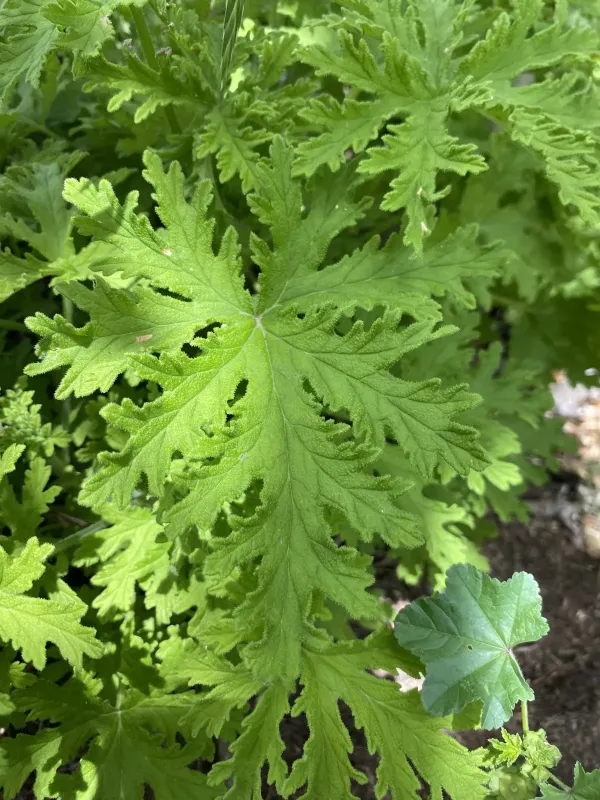
Description
Sowing dates
Propagation of Scented geranium is primarily achieved through stem cuttings to ensure the preservation of essential oil profiles and genetic consistency of the cultivar.
Cuttings should be taken during the active growth phase in spring, ensuring each cutting has several nodes for optimal root development in the substrate.
The rooting medium should be lightweight and well-aerated, typically consisting of a mixture of perlite, peat, and horticultural sand to promote drainage.
Once established, young plants can be transplanted into larger pots or outdoor beds after the risk of frost has completely passed in the spring season.
Adequate spacing between plants is crucial to prevent overcrowding, which facilitates airflow and reduces the micro-humidity that promotes various fungal pathogens.
Growing requirements
Pelargonium graveolens, belonging to the Geraniaceae family, is a tender perennial native to Southern Africa that thrives in warm, temperate climates.
Full sun exposure is essential for the crop to synthesize high concentrations of essential oils, particularly citronellol and geraniol, in its glandular foliage.
The plant requires fertile, well-draining soil with a pH ranging from slightly acidic to neutral; heavy clay soils that retain water must be amended.
Temperature management is key; the plant is not frost-tolerant and should be overwintered indoors or in greenhouses in regions with cold winter climates.
Regular but moderate watering is required, allowing the soil to dry out slightly between irrigation events to prevent root stress and moisture-related diseases.
Yield
The primary commercial product extracted from the biomass is geranium oil, which is highly valued in the global fragrance and cosmetic industries.
Yield depends heavily on the intensity of sunlight, soil nutrient availability, and the specific variety, with hybrid types often bred for higher oil content.
Controlled fertilization with nitrogen-balanced fertilizers is used during the growing season to maximize the production of leafy biomass before harvest.
In optimal conditions, multiple harvests can be performed within a single season, significantly increasing the overall economic output of the crop.
Standardized extraction methods, such as steam distillation, are essential for ensuring that the final oil meets high industrial and aromatic quality standards.
Main diseases and pests
Scented geranium is prone to several diseases, particularly when environmental conditions are unfavorable or when plants are kept in stagnant air.
Major plant health risks include:
- Anthracnose
- Verticillium wilt
- Rhizoctonia
- Sclerotinia
- Pythium root rot
- Botrytis (Grey mold)
Viral infections such as Tomato mosaic virus and Tobacco mosaic virus can severely impact plant development, causing leaf mottling and stunted growth.
Pests like spider mites and whiteflies are common in both greenhouse and outdoor environments, necessitating regular scouting and integrated pest management.
Maintaining high hygiene standards in the nursery and the field, along with removing infected plant debris, is vital to controlling the spread of pathogens.
Harvesting
Harvesting is best conducted on dry, sunny days, ideally in the morning after dew has evaporated but before the heat of the day reaches its peak.
The plants are typically cut back by about one-third, which encourages bushier growth and prepares the plant for future productive harvest cycles.
Fresh biomass must be processed immediately for oil extraction to minimize the loss of volatile compounds through natural evaporation processes.
For dry herb production, the leaves must be dried in a dark, cool, and well-ventilated area to preserve the chemical integrity and fragrance of the plant.
Proper harvesting practices ensure the longevity of the plant, allowing it to recover quickly and maintain high productivity throughout its lifespan.