
Duracina cherry
Prunus avium x Prunus campanulata
Description
Growing requirements
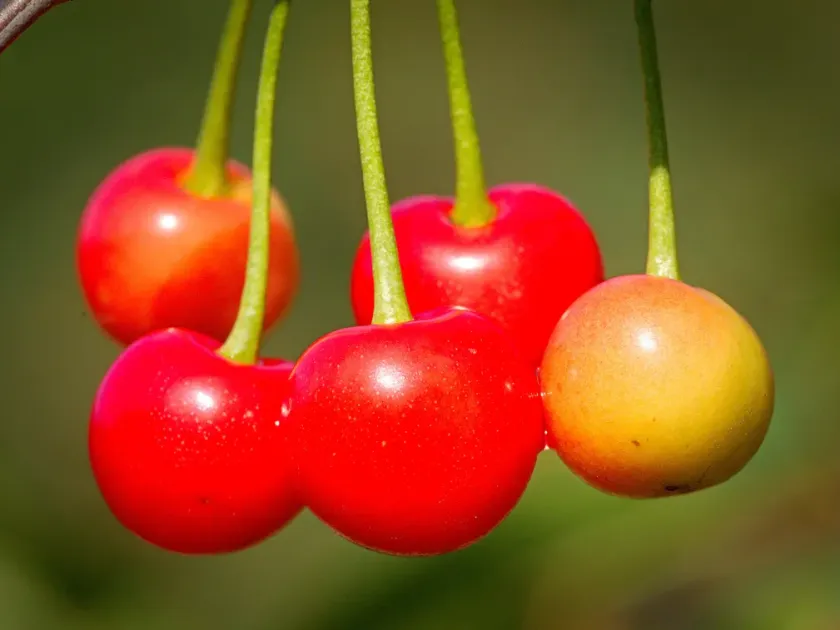
The Duracina cherry is a specialized interspecific hybrid resulting from the cross-breeding of sweet cherry (Prunus avium) and the bell-flowered cherry (Prunus campanulata). Belonging to the Rosaceae family, it combines aesthetic appeal with genetic resilience derived from its diverse parentage.
This crop requires well-drained, fertile soil with a balanced pH to thrive. It performs best in areas with ample sunlight exposure, provided the site is sheltered from severe winds that could damage the delicate blossoms or fragile branches during the spring growth phase.
Agronomic management involves periodic fertilization tailored to the tree's growth stages, ensuring macro and micronutrient availability. Proper canopy management through regular pruning is essential to prevent internal shading and to maintain adequate airflow, which is critical for reducing humidity levels within the foliage.
Watering requirements should be strictly managed to avoid waterlogging, which the hybrid is sensitive to. Implementing a consistent irrigation schedule, especially during fruit formation and intense summer heat, significantly improves the overall vitality and physiological health of the tree.
Its primary horticultural use spans from decorative landscape planting to specialized research in fruit breeding. Breeders utilize the Duracina cherry's unique traits to develop hybrids with superior environmental adaptability and enhanced ornamental value for modern orchard systems.
Main diseases and pests
Duracina cherry trees are susceptible to various pathogens, with monilinia blossom blight (moniliosis) and anthracnose being primary concerns. These diseases can devastate yields and negatively impact the tree's architecture if not controlled through early spring interventions and proper sanitation.
Verticillium wilt remains a persistent threat that impairs the xylem, often leading to sudden decline or limb dieback. Additionally, environmental conditions favoring fungal growth can lead to outbreaks of rhizoctonia and sclerotinia, particularly in sites with poor soil aeration or dense planting.
While less common in woody perennials, viral threats including tobacco mosaic virus and tomato mosaic virus require monitoring if the orchard is situated near vegetable production zones. Strict hygiene protocols, including the disinfection of pruning tools, are essential to prevent viral transmission.
Disease management should rely on an integrated approach, utilizing protective fungicides during dormant stages and systemic treatments during the growing season. Early detection of necrotic spots or leaf distortion is key to successful treatment before the infection spreads throughout the orchard.
Furthermore, managing pest populations—such as aphids and various mite species—is vital, as they often serve as vectors for secondary bacterial and viral infections. A clean, well-managed orchard floor significantly lowers the baseline pressure of both soil-borne diseases and foliage pathogens.