
Jerusalem artichoke
Helianthus tuberosus L. x Helianthus annuus L.
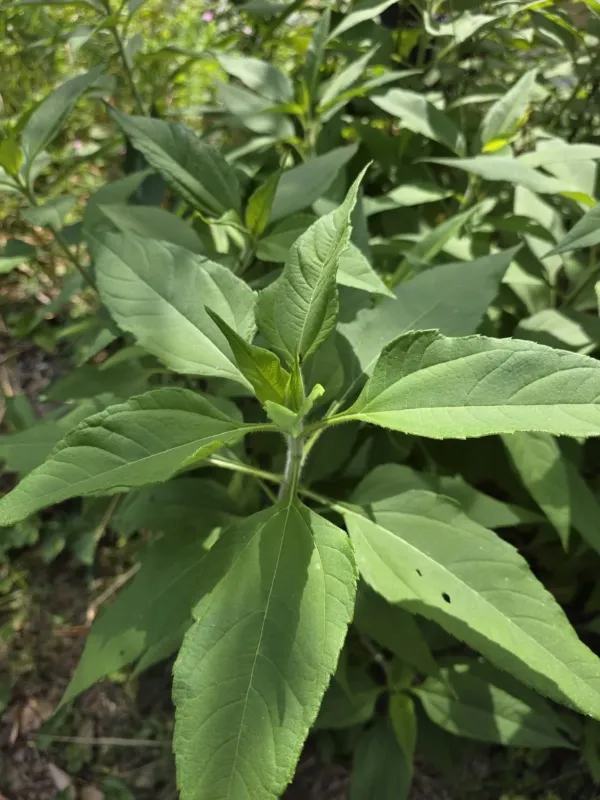
Description
Sowing dates
Jerusalem artichoke (Helianthus tuberosus) is a perennial member of the Asteraceae family. It is typically planted in early spring as soon as soil temperatures reach +6°C to +8°C, following similar timing to potato planting.
Fall planting is also a viable strategy, conducted several weeks before the ground freezes. This method allows tubers to establish early roots, leading to more vigorous and uniform growth in the following spring.
Selection of high-quality seed tubers weighing 40-60 grams is essential for crop success. Tubers must be free from rot, physical damage, and signs of fungal infections to ensure optimal germination rates.
Planting depth generally ranges from 8 to 15 centimeters, depending on soil texture and moisture content. Adequate depth protects tubers from temperature fluctuations and ensures proper anchoring of the plant.
For industrial cultivation, row spacing of 70 centimeters is standard, which facilitates the use of mechanical equipment for inter-row cultivation and hilling, both vital for maximizing yield.
Growing requirements
Jerusalem artichoke is known for its remarkable environmental adaptability. It can thrive in a variety of climates and is highly frost-tolerant, surviving soil temperatures as low as -30°C.
Well-drained loam or sandy-loam soils are ideal for this crop. It is critical to avoid waterlogged areas, as stagnant water increases the risk of tuber decay and reduces overall crop quality.
The plant requires full sun exposure for optimal growth. Shaded areas significantly limit the photosynthesis process, which directly affects the accumulation of inulin in the tubers by late summer.
Good agricultural practice involves regular weed control, especially during the early stages of development. Once established, the rapid growth of the stalks typically suppresses weeds effectively.
While the plant is hardy, it responds well to organic fertilization. However, growers should avoid excessive nitrogen applications to prevent overly vegetative growth, which can delay tuber maturation.
Yield
Tuber yields for Jerusalem artichoke can range from 30 to 50 tonnes per hectare. With proper management and favorable conditions, highly productive varieties can exceed these averages significantly.
The above-ground biomass is also substantial, often reaching 40 to 60 tonnes per hectare, making it a valuable resource for silage or even biofuel production due to its high carbohydrate content.
The primary economic driver for this crop is the concentration of inulin in the tubers. Harvesting at the peak of physiological maturity is crucial to achieve the highest possible sugar content.
Beyond human food consumption and inulin extraction, the crop serves as a sustainable source for industrial ethanol production and high-quality livestock fodder.
The potential for long-term production without replanting makes it an efficient crop choice, though rotating every 5 years is recommended to maintain soil health and reduce pest pressure.
Main diseases and pests
Jerusalem artichoke is generally robust, but it can fall victim to several pathogens, particularly in humid environments where air circulation is restricted or crop rotation is neglected.
Major fungal diseases affecting the crop include:
- Alternaria leaf spot
- Verticillium wilt
- Rhizoctonia
- Sclerotinia
- Ashy stem blight
- Gray mold
Viruses, such as the Tobacco mosaic virus, can spread via insect vectors, resulting in stunted plant growth and distorted foliage, which hampers overall crop vigor.
Soil-borne pests like Root-knot nematodes and wireworms are among the most destructive, as they damage tubers and create entry points for secondary bacterial and fungal infections.
Integrated pest management strategies focusing on certified seed stock, proper spacing, and balanced nutrition are the most effective ways to minimize the impact of these threats.
Harvesting
The harvest season for Jerusalem artichoke begins late in the fall, once the stalks start to wither, indicating that nutrients have fully translocated from the stems to the tubers.
Growers have the flexibility to delay harvest until early spring. Keeping tubers in the soil overwinter is a distinct advantage, provided the ground does not remain waterlogged and frozen solid.
Mechanical harvesting requires specialized equipment. Given the thin skin of the tubers, careful calibration of machinery is necessary to prevent bruising and surface damage that leads to storage rot.
Post-harvest handling requires quick cleaning and storage in a cool, humid environment. Proper storage conditions are vital to prevent dehydration and maintain the structural integrity of the tubers.
Efficiency in harvesting is key to profitability. Timely collection and appropriate storage allow farmers to supply the market consistently while minimizing post-harvest losses due to rot or sprouting.