
Cyphostemma
Cyphostemma
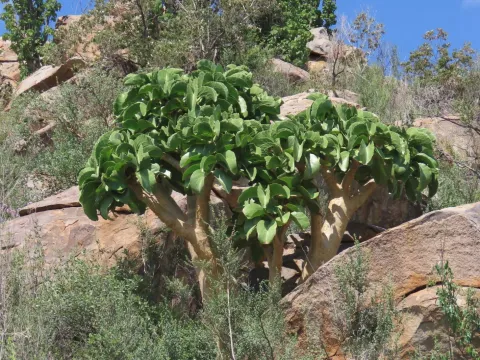
Cyphostemma is a genus of succulent plants belonging to the Vitaceae family, closely related to common grapes. These plants are widely recognized for their massive, water-storing caudex, which provides them with resilience against harsh, arid environments.
What the section contains
 Cyphostemma adenocaule
Cyphostemma adenocaule
Cyphostemma adenocaule
 Cyphostemma adenopodum
Cyphostemma adenopodum
Cyphostemma adenopodum
 Cyphostemma auriculatum
Cyphostemma auriculatum
Cyphostemma auriculatum
 Cyphostemma bainesii
Cyphostemma bainesii
Cyphostemma bainesii
 Cyphostemma betiforme
Cyphostemma betiforme
Cyphostemma betiforme
 Cyphostemma cirrhosum
Cyphostemma crinitum
Cyphostemma crinitum
Cyphostemma cirrhosum
Cyphostemma cirrhosum
Cyphostemma crinitum
Cyphostemma crinitum
 Cyphostemma crotalarioides
Cyphostemma crotalarioides
Cyphostemma crotalarioides
 Cyphostemma currorii
Cyphostemma cymosum
Cyphostemma cymosum
Cyphostemma currorii
Cyphostemma currorii
Cyphostemma cymosum
Cyphostemma cymosum
 Cyphostemma elephantopus
Cyphostemma elephantopus
Cyphostemma elephantopus
 Cyphostemma flavicans
Cyphostemma flavicans
Cyphostemma flavicans
 Cyphostemma gillettii
Cyphostemma griseo-rubrum
Cyphostemma griseo-rubrum
Cyphostemma gillettii
Cyphostemma gillettii
Cyphostemma griseo-rubrum
Cyphostemma griseo-rubrum
 Cyphostemma jatrophoides
Cyphostemma jatrophoides
Cyphostemma jatrophoides
 Cyphostemma jiguu
Cyphostemma jiguu
Cyphostemma jiguu
 Cyphostemma juttae
Cyphostemma lageniflorum
Cyphostemma lageniflorum
Cyphostemma juttae
Cyphostemma juttae
Cyphostemma lageniflorum
Cyphostemma lageniflorum
 Cyphostemma laza
Cyphostemma laza
Cyphostemma laza
 Cyphostemma lelyi
Cyphostemma lelyi
Cyphostemma lelyi
 Cyphostemma macrocarpum
Cyphostemma mannii
Cyphostemma mannii
Cyphostemma macrocarpum
Cyphostemma macrocarpum
Cyphostemma mannii
Cyphostemma mannii
 Cyphostemma mappia
Cyphostemma mappia
Cyphostemma mappia
 Cyphostemma montagnacii
Cyphostemma montagnacii
Cyphostemma montagnacii
 Cyphostemma ornatum
Cyphostemma ornatum
Cyphostemma ornatum
 Cyphostemma pachypus
Cyphostemma perforatum
Cyphostemma perforatum
Cyphostemma pachypus
Cyphostemma pachypus
Cyphostemma perforatum
Cyphostemma perforatum
 Cyphostemma rubrosetosa
Cyphostemma rubrosetosa
Cyphostemma rubrosetosa
 Cyphostemma rupicola
Cyphostemma rupicola
Cyphostemma rupicola
 Cyphostemma sokodense
Cyphostemma tisserantii
Cyphostemma tisserantii
Cyphostemma sokodense
Cyphostemma sokodense
Cyphostemma tisserantii
Cyphostemma tisserantii
 Cyphostemma uter
Cyphostemma vogelii
Cyphostemma vogelii
Cyphostemma waterlotii
Cyphostemma waterlotii
Cyphostemma uter
Cyphostemma uter
Cyphostemma vogelii
Cyphostemma vogelii
Cyphostemma waterlotii
Cyphostemma waterlotii
 Cyphostemma woodii
Cyphostemma woodii
Cyphostemma woodii
 Cyphostemma zechianum
Cyphostemma zechianum
Cyphostemma zechianum
Cyphostemma
The genus originates from tropical regions of Africa and Madagascar. In their natural habitat, these plants thrive in rocky and sandy soils, demonstrating significant adaptation to prolonged droughts and extreme solar radiation.
Optimal growth requires high light levels, similar to many cacti and other succulent species. While they can tolerate partial shade, bright, indirect light is essential for developing a compact, robust caudex and healthy foliage.
The planting substrate must be highly porous. A mixture of pumice, coarse sand, and volcanic rock is recommended to ensure rapid drainage, as the roots are extremely sensitive to prolonged contact with stagnant water.
Watering practices should mimic the plant's seasonal rhythm. During the growing season, water thoroughly only after the substrate has dried out completely. In winter, reduce watering drastically to prevent rot as the plant enters dormancy.
Root and caudex rot are the primary threats to Cyphostemma, usually caused by improper watering and heavy, non-draining soil. Once the base starts to soften or discolor, recovery becomes difficult and often impossible.
Pests such as mealybugs and spider mites are common in indoor collections. These insects tend to hide in the joints between stems and leaves, causing leaf drop and weakening the plant's structural integrity.
To control these pests, regular inspection of the growth tips is necessary. If an infestation occurs, application of horticultural oil or specific insecticides is required to eradicate the pests before they spread to other plants.
Fungal infections can also occur if the humidity levels are too high combined with poor airflow. Providing good ventilation helps maintain healthy foliage and prevents the development of mold on the plant surface.
Consistent monitoring of the caudex hardness is a critical part of plant maintenance. Any physical changes or signs of distress should trigger an immediate review of the watering schedule and soil moisture levels.