
Cyphostemma montagnacii
Cyphostemma montagnacii
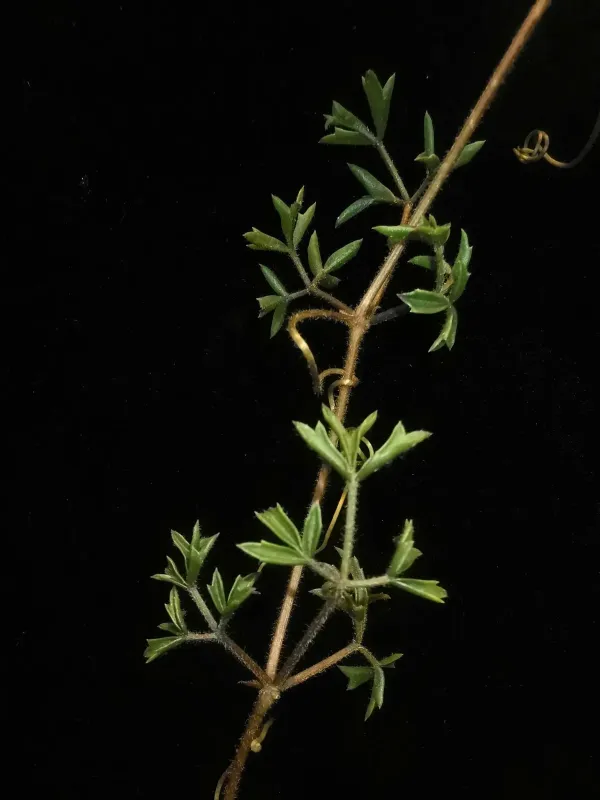
Description
Growing requirements
Cyphostemma montagnacii is a rare caudiciform succulent belonging to the Vitaceae family, native to the arid regions of Madagascar. It is characterized by a swollen, fleshy stem known as a caudex, which acts as a vital water storage organ.
In terms of botanical features, the plant grows slowly, forming a distinct succulent structure. Its morphology is highly appreciated in horticulture for its sculptural appearance, making it a prized specimen for collectors of rare flora.
The cultural requirements demand bright, filtered sunlight to maintain the integrity of the caudex. Direct harsh midday sun can sometimes cause scorching, while low light will inevitably result in etiolation and structural weakness.
For the substrate, a highly porous mineral-based mix is essential. Avoid organic-rich soils that retain too much moisture, as the roots are highly susceptible to anaerobic conditions that lead to rapid decay.
During the growing season, watering should only occur when the soil is completely dry. In winter, the plant enters a dormant phase where watering must be suspended entirely to simulate the natural climatic cycle of its habitat.
Main diseases and pests
The primary threat to Cyphostemma montagnacii is root rot caused by poor drainage or overwatering. Once rot reaches the core of the caudex, the plant is typically beyond recovery, emphasizing the importance of preventive care.
Pests like mealybugs and spider mites are frequent invaders. These insects hide in the crevices of the stem and leaves, feeding on the plant's sap and potentially transmitting viruses that weaken the plant's immunity.
Control involves the use of targeted systemic insecticides. Manual removal of pests using an alcohol-soaked swab can be effective for small infestations, provided it is done carefully without damaging the epidermis.
Good air circulation is the best preventive measure against both fungal spores and insect colonization. Stagnant, humid air creates an ideal environment for pathogens to thrive on the succulent surface.
During dormant periods, the plant's metabolism slows down significantly, and any signs of distress should be analyzed carefully before intervention. Often, simply adjusting the ambient temperature or light exposure is sufficient to stabilize the specimen.