
Cyphostemma zechianum
Cyphostemma zechianum
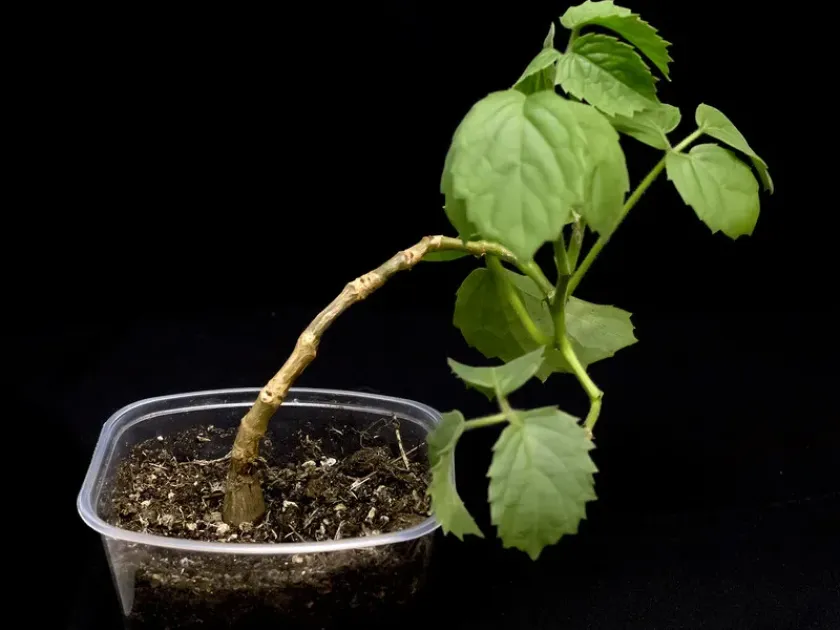
Description
Growing requirements
Cyphostemma zechianum is a distinctive member of the Vitaceae family, recognized for its impressive caudex and succulent characteristics. As a rare horticultural specimen, it is primarily cultivated by enthusiasts for its unique aesthetic and botanical value.
The plant originates from tropical regions where it thrives under high-temperature conditions. Cultivation success depends on maintaining stable thermal levels, as the plant is highly sensitive to cold stress and freezing temperatures, which can be fatal.
Soil requirements are critical for the long-term survival of this species. A highly porous and well-draining substrate is mandatory; it should consist of inorganic materials such as pumice, perlite, and coarse sand to prevent moisture stagnation around the root system.
Proper lighting is essential to prevent etiolation. While the plant requires significant light, intense, direct sunlight, especially in mid-summer, must be filtered to prevent scorched leaves and damage to the succulent stem.
The irrigation schedule must be strictly aligned with the plant's growth cycle. During active growth, water should be applied only when the soil is completely dry. In the dormant period, irrigation is significantly reduced to mimic natural drought conditions.
Main diseases and pests
The most common pests affecting Cyphostemma zechianum are spider mites and mealybugs. These organisms often thrive in warm, stagnant environments, necessitating constant vigilance and good ventilation in growing areas.
Pathogenic threats are dominated by fungal rots, which often develop if the substrate remains damp for too long. Root rot is a significant risk and is often the primary cause of sudden plant failure in indoor cultivation.
To mitigate these risks, growers should ensure sufficient airflow and strictly adhere to drought-like conditions during the winter months. Any signs of discoloration or tissue softening should be treated immediately with appropriate systemic fungicides.
Chemical control involving selective insecticides can be employed if an infestation is detected. It is crucial to perform spot treatments to avoid harming the plant's delicate epidermis or causing leaf drop.
Balanced fertilization is advised, prioritizing low-nitrogen formulas. An excess of nutrients can lead to succulent tissue that is overly soft and prone to insect attacks or bacterial soft rot.